
You are not alone: Counselor offers perspective on mental health
For Mental Health Awareness Month, Quintessa Solomon-Hardy, a Community Support Services Program Manager at River Edge Behavioral Health, talks about why mental health deserves to be understood, supported and taken seriously.
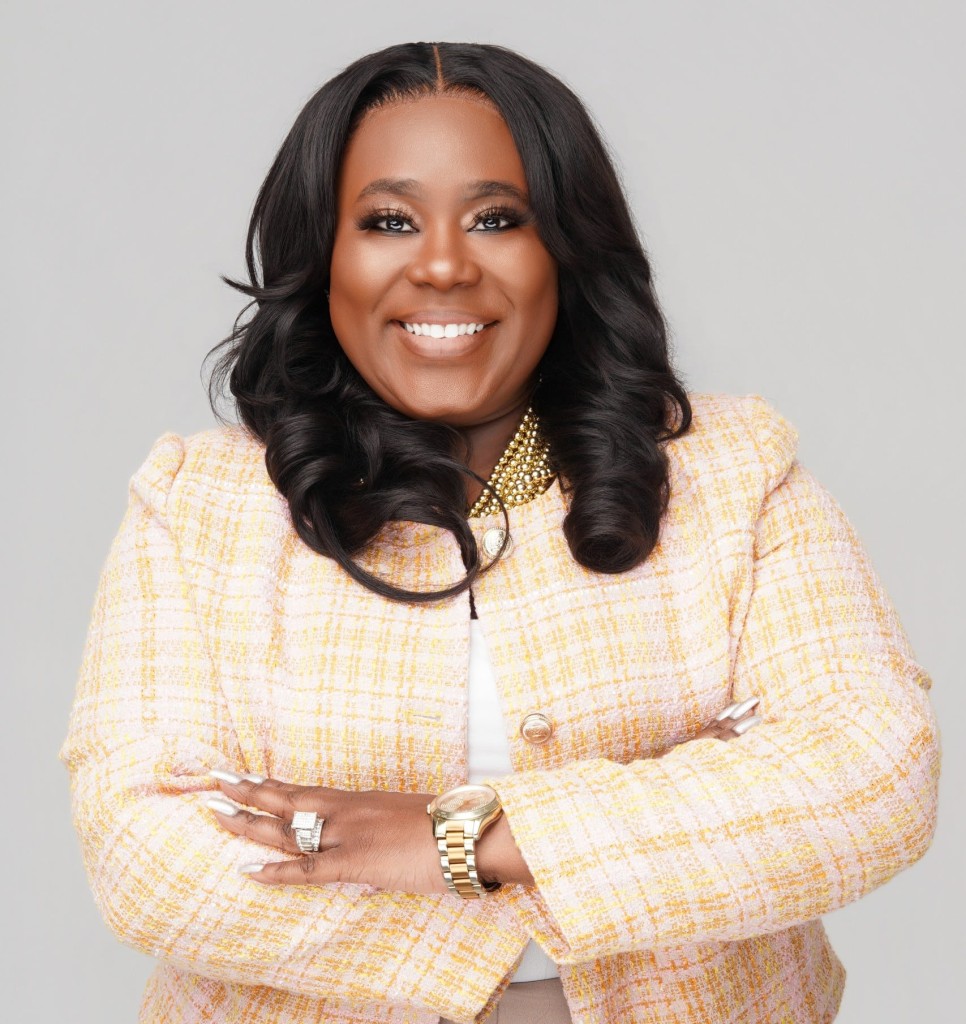
As a nurse practitioner, I often see how closely mental and physical health are connected. For Mental Health Awareness Month, I connected with Quintessa Solomon-Hardy, MS, LPC, NCC, CT-R, Community Support Services Program Manager at River Edge Behavioral Health, to hear directly from someone serving individuals and families right here in Middle Georgia. Her message is clear. Mental health deserves to be understood, supported and taken seriously.
“Mental health is not a character flaw”
One of the most powerful points Solomon-Hardy shared is something she wishes more people in our community truly understood. Mental health challenges are not a sign of weakness, lack of faith or personal failure. There is no “magic wand” moment where everything is suddenly fixed. Instead, Solomon-Hardy emphasizes the importance of early detection, education and ongoing support.
While faith and community are meaningful sources of strength, she noted they are not a cure-all for everyone. Relying on them alone may sometimes delay individuals from receiving the care they need.
What she sees in Middle Georgia
In her work, Solomon-Hardy consistently sees individuals navigating:
— Anxiety and overwhelm
— Depression and hopelessness
— Trauma and chronic stress
— Youth suicide risk
— Housing instability
— Barriers to care, including transportation
She also highlighted how broader economic pressures, such as rising costs of living and a competitive job market, are affecting families. Children often absorb that stress in ways that impact their emotional well-being and school performance.
Breaking the stigma around therapy
One of the biggest barriers to care is stigma, according to Solomon-Hardy. Many people fear that seeking therapy means they are on the verge of a breakdown or that something is wrong with them. Others worry about being judged or assume therapy should provide quick, immediate results.
She reframes therapy as something entirely different:
“It’s not a one-size-fits-all or microwavable process,” she said. “Therapy is a life choice. It is about building a mental toolbox to manage stress and navigate challenges.”
She also emphasized that therapy is not only for crisis situations. It is a proactive step toward growth and stability. For those concerned about cost, Solomon-Hardy reminded the community that organizations like River Edge Behavioral Health offer services at no cost for those who qualify.
Small habits that make a big difference
Solomon-Hardy encouraged people to start with simple, consistent habits:
— Daily movement — even a short walk — to boost mood and reduce stress
— Deep breathing techniques, such as “smell the roses and blow out the birthday candles”
— Mindfulness practices to calm the mind and body
— Consistent routines for sleep, meals and hydration
“These are foundational,” she said, noting that such small behaviors can significantly improve mood, focus and overall functioning over time.
When should you seek help?
Stress is a normal part of life. However, Solomon-Hardy advised paying attention when it becomes persistent, worsens or begins to interfere with daily responsibilities and relationships. That is when it may be time to seek professional support.
“You are not alone”
For those who feel like help may be out of reach, Solomon-Hardy offers a message she wants everyone to hear:
“Reaching out for assistance is not a sign of weakness. It is a strength,” she said. “You do not have to carry the load alone.”
If immediate support is needed, individuals can call or text 988 Suicide & Crisis Lifeline for confidential help and connection to local resources.
The connection between mental and physical health
Solomon-Hardy also emphasized something many people overlook. Mental health directly impacts physical health. Poorly managed stress, anxiety and depression can increase the risk of chronic conditions such as heart disease, diabetes and stroke. They can also worsen sleep, pain and recovery. As healthcare providers, this reinforces the importance of addressing the whole person, both mind and body.
“Your feelings matter and are valid,” Solomon-Hardy said. “The goal is not to eliminate stress, but to learn how to manage it.”
We show up best for others when we also take care of ourselves, including our mental health.
Joy King, DNP, MBA, APRN, NP-C, FAIHM, serves as president of the Georgia Nurses Association.
Before you go...
Thanks for reading The Macon Melody. We hope this article added to your day.
We are a nonprofit, local newsroom that connects you to the whole story of Macon-Bibb County. We live, work and play here. Our reporting illuminates and celebrates the people and events that make Middle Georgia unique.
If you appreciate what we do, please join the readers like you who help make our solution-focused journalism possible. Thank you
Related Articles

A unique Macon lettuce farm is competing in a statewide contest
BrightFarms, the Cox Farms-owned packaged salad supplier in Macon, recently earned a spot in the semifinals of the second annual Coolest Thing Made in Georgia competition.

Iconic Australian music group will wiggle its way to the Macon stage
The colorful — and for many, nostalgic — real-life musical group, The Wiggles, is set to perform at the Macon City Auditorium Aug. 15.

Eatery in former Len Berg’s location feeds new generation
At Len Berg’s Restaurant, generations of Macon families gathered over fried chicken, homemade peach ice cream and enough memories to fill a cookbook. Now another chapter is being written inside those familiar walls.