
Bibb County schools are catching struggling students before they fall behind
The district’s attitude toward testing and progress has evolved behind more data collection and a deeper understanding of learning as a process.
A new chapter for The Melody
Our team and coverage are moving to The Telegraph. Make sure you look for The Melody's community-first journalism as a section highlighting the people, places and moments that are the rhythm of Macon.

When Ethel Lett first began her career in education, teachers tracked a student’s progress in a fairly cut-and-dry way.
Teachers taught. Students listened. How well a child mastered a subject was assessed by a test at the end of a chapter.
It used to be you would just do the work and get a grade, said Lett, assistant superintendent of teaching and learning for the Bibb County School District.
Times have changed. Today, how well a student performs on a test is just one data point.
Teachers and administrators, now more than ever, dig deeper with their assessments, said Laren Carlton, elementary Response to Intervention coordinator for the Bibb County School District.
Learning is an ongoing process, she said. An array of student achievement data can help identify Bibb County students who are struggling before they fall further behind, Carlton said.
Every year, teachers administer three “universal screenings” through Renaissance, a software suite used by the district to determine whether or not students are expected to meet state standards, Lett said.
Students are assessed on literacy, reading and math.
The district’s Response to Intervention department works to equip schools to help get students back on track.
“We approach intervention kind of with a proactive, preventative mindset, meaning we do not wait until students fail before we provide them with an intervention,” Carlton said.
All students are organized into three tiers of district response, with tier one being for students who are on track, tier two for students who might need help with specific skills and tier three for students who are in need of additional support across the board.
A total of 9,167 students — typically those in tier two and three — receive targeted intervention support across the district.
Intervention is a “fluid process” with students moving through tiers as they learn or require more time, Carlton said.
“Once we dig deeper to find out what are the specific skill deficits, we want to be sure that we match those students with the intervention that is aligned to that skill deficit,” Carlton said.
The process is more transparent, allowing students and parents to better understand when there are gaps in learning.
Bibb County elementary school students keep data booklets to track and interpret their scores.
Parents receive progress reports every three weeks instead of every couple months. The reports break down subjects further into specific skills.
“Now what we do, in Bibb and school districts everywhere, is we try to have ownership of those data,” Lett said.
District officials aren’t solely focused on sending all of its students to college. Lett said they consider it a success to categorize and move students through four “buckets,” including college bound, interested in enlisting in the armed forces, ready to enter the workforce or equipped to be an entrepreneur.
“We absolutely, 100%, unequivocally care about teaching and learning, but we also care about the impact of teaching and learning on the greater world,” Lett said.
Author

Related Articles
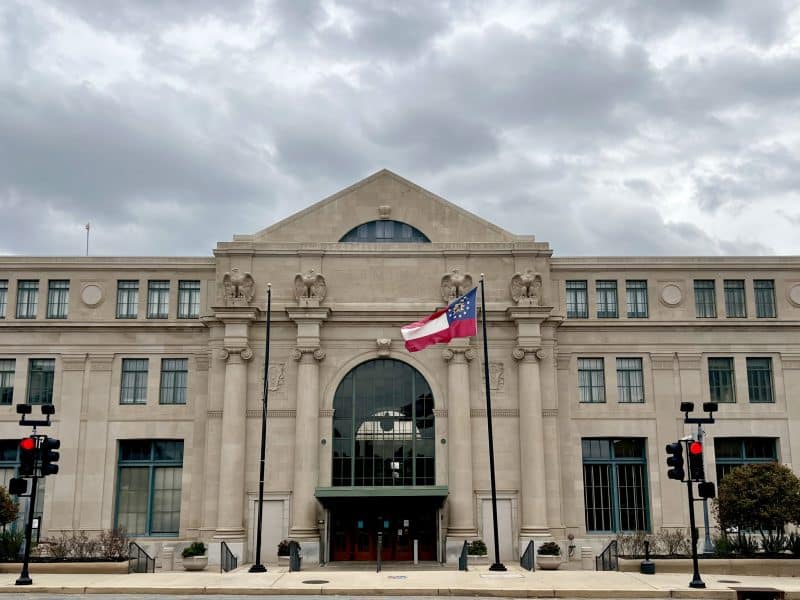
All aboard? GDOT asks residents to weigh in on restoring passenger train service to Macon
The Georgia Department of Transportation is surveying the public through Aug. 6 to gauge interest in Atlanta-to-Savannah rail service that could include a stop in Macon.
Are corporate investors responsible for one-third of all housing sales since 2020?
Learn the answer to this question in the fact brief in partnership with Gigafact.
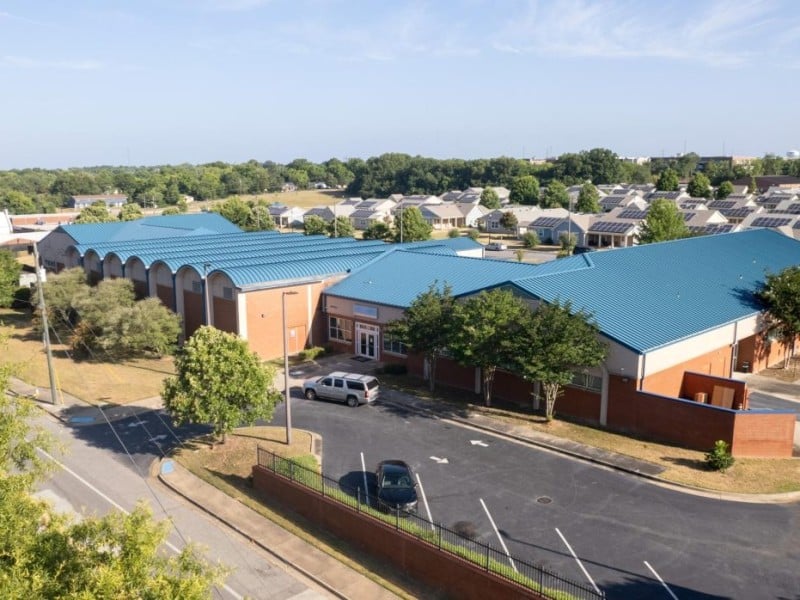
Macon’s Boys and Girls Club closed for 90 days, families search for alternatives
The club had many after-school programs that are now on hold.