
As state scholarship details crystalize, Bibb Schools face new dilemma
The Georgia Promise Scholarship will award up to $6,500 for education expenses for students who attend one of the lowest performing public schools in Georgia — based on state testing scores — if they leave the public school system and enroll in a private school or homeschool.
A new chapter for The Melody
Our team and coverage are moving to The Telegraph. Make sure you look for The Melody's community-first journalism as a section highlighting the people, places and moments that are the rhythm of Macon.
Bibb County Schools has struggled with declining school enrollment and attendance for years due to shifting demographics, competition with private and state charter schools and the long-term consequences of COVID-19.
Another challenge is on the horizon and while school leaders are unsure of its impact, it is clear that it won’t land more students in public school seats.
The Georgia Promise Scholarship will award up to $6,500 for education expenses for students who attend one of the lowest performing public schools in Georgia — based on state testing scores — if they leave the public school system and enroll in a private school or homeschool.
How many Bibb County Schools students are eligible for the scholarship remains to be seen, although it appears most, if not all, will be. Already a dozen Macon private schools have signed up for the state program, more than any county outside of Metro Atlanta.
The Governor’s Office of Student Achievement released a list on Dec. 1 that declared students at schools across the state – including every public school student in Bibb County – eligible for the Promise Scholarship. but the state withdrew the list for a second time on Dec. 9 and has yet to release an updated one, noting issues with how testing scores were validated.
Bibb Schools Superintendent Dan Sims said the district is waiting for details of the scholarship to be finalized before taking further action.
“Every day there are continued unanswered questions,” he said. “It’s difficult to offer anything until that thing lands. I thought it would have landed by now.”
The voucher program also comes into play as the district is considering options for closing schools that are under-enrolled by state standards. It also comes as the board begins its review of a local charter school application from Wesleyan College.
The district has been exploring shutting down schools since July. School board member Daryl Morton said if students opt for alternatives to public schools, there won’t be kids to replace them in public schools. Federal and state school funding is based largely on enrollment and attendance.
“I think that it’s inevitable that these programs, or new charter schools, will eat at the population of the schools,” he said.
State legislators passed a bill creating the voucher program last year. Once a student is approved for a voucher, they remain eligible to continue receiving it for the duration of of their primary and secondary education. Applications for the scholarship program are set to open March 1.
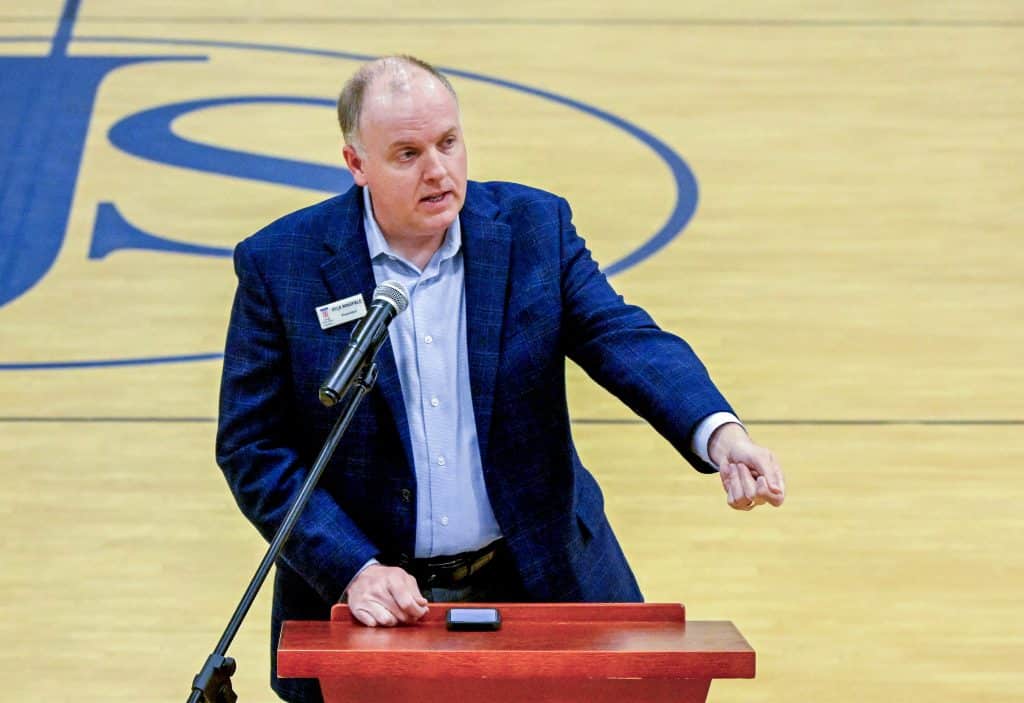
“There’s no one option that works for absolutely everyone,” said Kyle Wingfield, president and CEO of the Georgia Policy Foundation. “It’s really just a recognition that different children have different needs.”
Last month, members of the Georgia Policy Foundation — a nonprofit research institute that focuses on economic issues and legislation in Georgia — held a Q&A at St. Joseph’s Catholic School in Macon to field questions about the program from parents and teachers.
Wingfield said he does not expect enrollment in the scholarship program to reach capacity in its first year. The program is capped at 1% of the state’s education budget which is projected to be able to serve up to 22,000 students.
The Bibb County School District has 21,334 students enrolled as of October 2024, according to the Georgia Department of Education.
If too many students enroll in the program, priority will be given to families making less than 400% of the federal poverty rate, which equates to an annual income of $120,000 for a family of four or $90,000 for a family of three.
Wingfield noted that median tuition for private schools in Georgia is around $9,000 and the $6,500 is a “competitive number” meant to keep the program “budget-neutral” and reflect the varied costs of tuition across the state.
“These are children we’re already paying for and if their parents feel like they would be better served somewhere else, we’ll just let those same dollars follow them,” Wingfield said.
He added that similar programs in places like Miami-Dade County in Florida have spawned healthy competition that has helped drive public schools to improve and make themselves more attractive to families.
The list of private schools participating in the program includes 12 Bibb County academies, including Central Fellowship Christian Academy, Covenant Academy, First Presbyterian Day School, Montessori of Macon, SEAL Preparatory Academy, St. Andrews Montessori School, St. Joseph’s Catholic School, Mount De Sales, Tattnall Square Academy, Windsor Academy and Wynfield Christian Academy.
Author

Related Articles
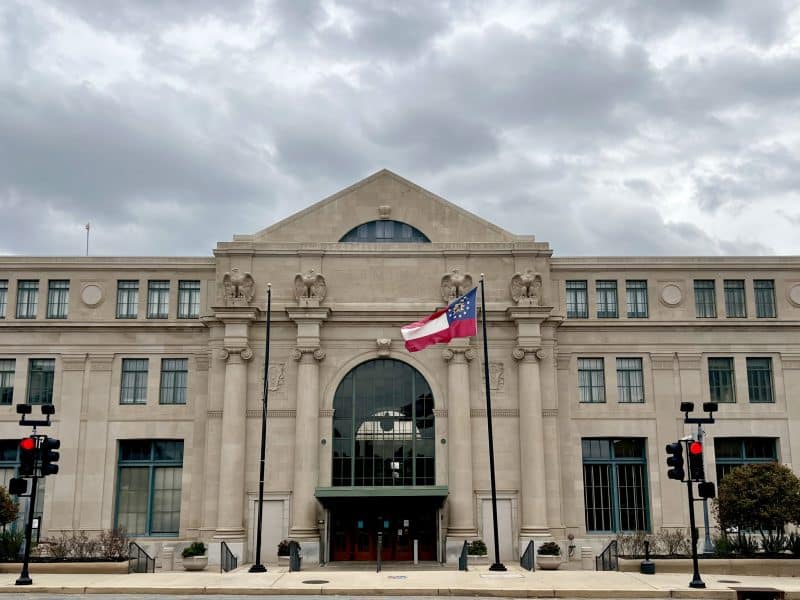
All aboard? GDOT asks residents to weigh in on restoring passenger train service to Macon
The Georgia Department of Transportation is surveying the public through Aug. 6 to gauge interest in Atlanta-to-Savannah rail service that could include a stop in Macon.
Are corporate investors responsible for one-third of all housing sales since 2020?
Learn the answer to this question in the fact brief in partnership with Gigafact.
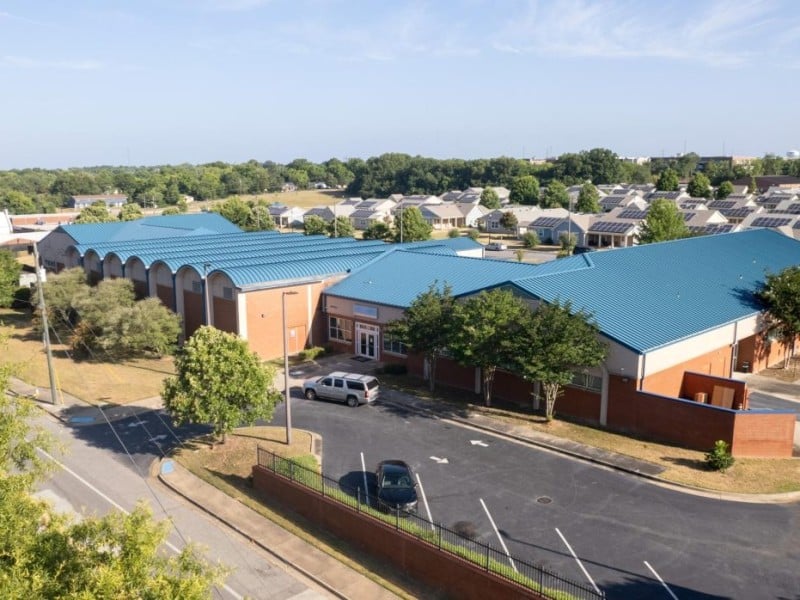
Macon’s Boys and Girls Club closed for 90 days, families search for alternatives
The club had many after-school programs that are now on hold.