
Bibb schools push attendance as absenteeism exceeds state average
The district celebrated Attendance Awareness Week, with schools dressing up and welcoming special guests.
A new chapter for The Melody
Our team and coverage are moving to The Telegraph. Make sure you look for The Melody's community-first journalism as a section highlighting the people, places and moments that are the rhythm of Macon.

Students at Miller Middle School were greeted Monday morning by their teachers — who were waving blue pom poms and plastic hand clappers — along with thunderous band music that elicited a few smiles from otherwise nonchalant youngsters.
Similar celebrations happened across the Bibb County School District, which celebrated Attendance Awareness Week — a tie-in to September’s national Attendance Awareness Month — over the past few days. With the district hoping to slash its chronic absenteeism rate, the event was part of ongoing efforts to encourage students to regularly attend classes.
Twenty-eight and a half percent of students were considered chronically absent in Bibb County’s public schools in 2025. That classification means those students missed 10% or more of the school year. The Georgia average is 19.5%.
The week’s activities also included students and teachers wearing themed outfits, an Appling Middle School lunch headlined by state Rep. Anissa Jones of Macon and a district-wide camouflage-wear day Friday. The earthy greens, browns and tans were used by the district as a symbol of its fight against chronic absenteeism, which affects learning outcomes and personal development as well as school funding levels.
Miller Middle School Principal Shan Gibson said her school’s early-morning rally — and other events associated with the week — are designed to show students how much enthusiasm teachers have for unlocking their full potential.
“Having these activities, having that week where something exciting is happening — they tend to come to school, and we just want to make sure that we capitalize on that to ensure that they’re here,” Gibson said.
Gibson said it’s also paramount that parents comprehend the importance of regular school attendance. She said district officials strive to understand and combat the root causes of absenteeism, which can include adverse personal experiences.

District officials shared Georgia Milestones Assessment System scores at the school board’s September meeting, demonstrating how chronically absent students scored lower on reading assessments compared to students with stronger attendance.
Superintendent Dan Sims said regular attendance is also crucial to the district’s funding. He added that, if students are not present, the district cannot report accurate enrollment numbers and, as a result, local schools receive less state funding.
Sims said the district’s other efforts to combat chronic absenteeism include “The Push,” an student achievement awareness campaign with billboard and social media components touting, in part, the importance of steady attendance.
“This … is all about getting everybody to take on their role and responsibility,” he said.
The district reports attendance numbers to the Georgia Department of Education periodically throughout the school year. State education officials compile and release those numbers, called full-time equivalent counts, twice a year. The next release will be later this month, and the spring release is in March.
Those numbers guide the state in distributing its funds to local districts under the terms of the Quality Basic Education Act, which became law in 1985. Under that funding formula, districts receive state dollars based on the full-time equivalent student count, the experience and education levels of certified professionals in the district, and the health insurance eligibility of those workers.
Author

Related Articles

All aboard? GDOT asks residents to weigh in on restoring passenger train service to Macon
The Georgia Department of Transportation is surveying the public through Aug. 6 to gauge interest in Atlanta-to-Savannah rail service that could include a stop in Macon.
Are corporate investors responsible for one-third of all housing sales since 2020?
Learn the answer to this question in the fact brief in partnership with Gigafact.
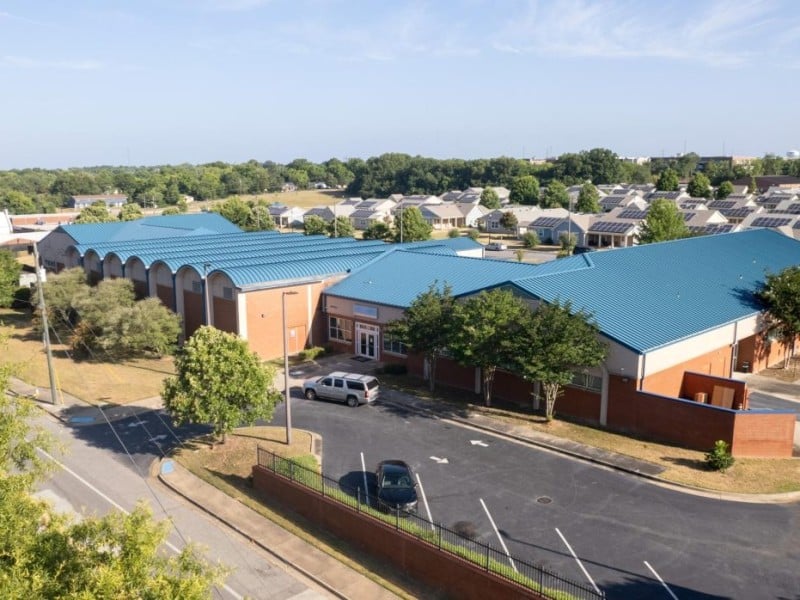
Macon’s Boys and Girls Club closed for 90 days, families search for alternatives
The club had many after-school programs that are now on hold.