
Can UNESCO regulate or control World Heritage Sites?
Learn the answer to this question in the fact brief in partnership with Gigafact.
A new chapter for The Melody
Our team and coverage are moving to The Telegraph. Make sure you look for The Melody's community-first journalism as a section highlighting the people, places and moments that are the rhythm of Macon.
No.

UNESCO cannot place regulations or restrict local actions on World Heritage Sites.
World Heritage Sites have “cultural and natural heritage” and “outstanding value to humanity,” according to UNESCO. The international body provides a framework of expectations for member parties, but the harshest repercussion for failing to maintain the World Heritage Site is stripping the member party of its status – no legal or financial penalties exist.
UNESCO’s 1972 international treaty does not threaten the sovereignty of the locality in which the World Heritage Site sits, leaving decision-making for places like the Okefenokee National Wildlife Refuge to existing local, state and federal authorities.
Conservationists have kept the Okefenokee from development, including June 2025 when a mining operation ended its bid to extract heavy minerals and sold its land to a conservation group. The refuge has been one of 17 tentative World Heritage sites in the country since 2008.
This fact brief is responsive to conversations such as this one.
The Macon Melody partners with Gigafact to produce fact briefs — bite-sized fact checks of trending claims. Read our methodology to learn how we check claims.
Sources
Author

Related Articles
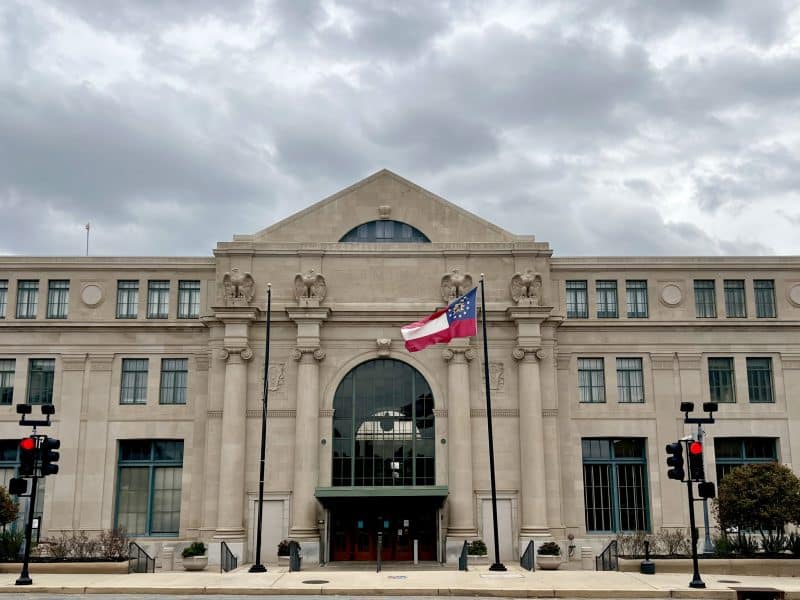
All aboard? GDOT asks residents to weigh in on restoring passenger train service to Macon
The Georgia Department of Transportation is surveying the public through Aug. 6 to gauge interest in Atlanta-to-Savannah rail service that could include a stop in Macon.
Are corporate investors responsible for one-third of all housing sales since 2020?
Learn the answer to this question in the fact brief in partnership with Gigafact.

Macon’s Boys and Girls Club closed for 90 days, families search for alternatives
The club had many after-school programs that are now on hold.