
Downtown Macon renovation projects in limbo after Kemp vetoes historic tax credit expansion
Legislation passed by the General Assembly would have increased the amount of historic rehabilitation tax credits made available to Georgia developers.
A new chapter for The Melody
Our team and coverage are moving to The Telegraph. Make sure you look for The Melody's community-first journalism as a section highlighting the people, places and moments that are the rhythm of Macon.
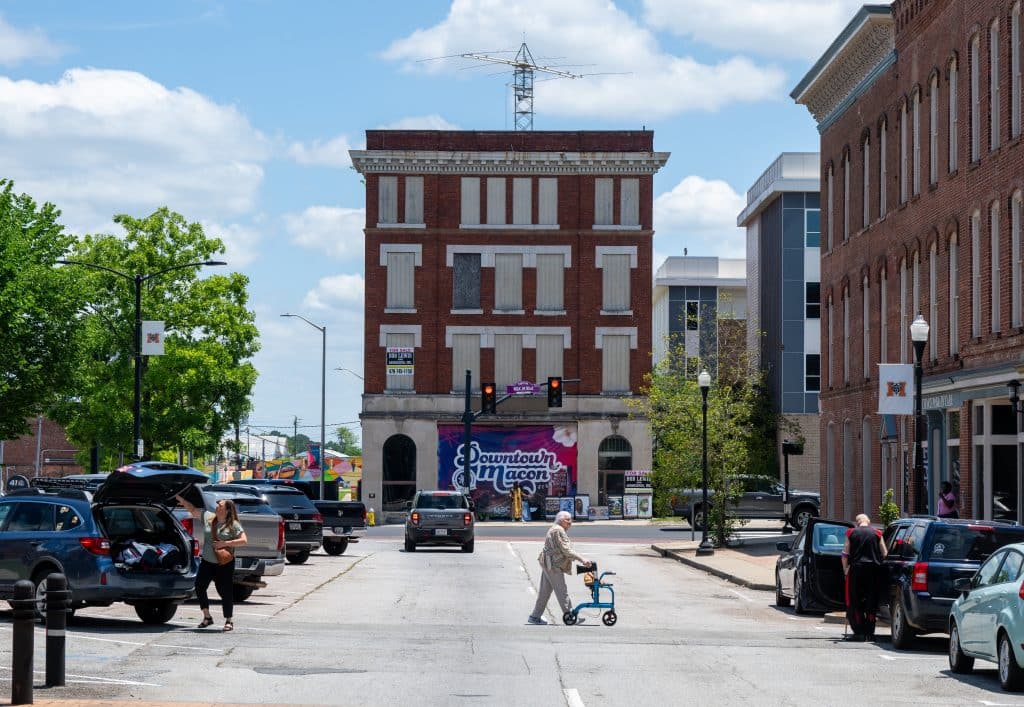
Remodeling efforts for several downtown Macon buildings — including structures that once housed Union Furniture Co. on Third St. and the Macon Rescue Mission on Hazel St. — might be stalled after Gov. Brian Kemp axed an expansion of Georgia’s historic rehabilitation tax credit.
Developers have been using the tax credit to restore buildings for new commercial projects, most prominently in the downtown area, NewTown Macon CEO James Fritze told The Melody in a past interview. The credit helps them move projects forward without having to shell out so much upfront cash, he said.
The tax credit partially reimburses renovation costs for properties listed on the National Register of Historic Places. The program, set to end in 2029, is limited to $30 million in available statewide credits per year. Officials said all available credits through 2029 have already been claimed.
Legislation passed by the General Assembly in April would have doubled the program’s annual cap, bringing it to $60 million. Kemp vetoed the bill on May 15 along with several other bills that would have increased state spending. He said he did so to compensate for a $1.3 billion revenue shortfall from an income tax cut he approved earlier in May.
“The General Assembly failed to account for this loss of revenue in the appropriations process, instead prioritizing general taxpayer relief,” the governor said in his veto statement.
Emily Hopkins, executive director of the Historic Macon Foundation, said the veto was “deeply disappointing” because the tax credits yield local projects that bolster local housing supply and raise the property tax roll.
Macon has many historic buildings and is home to several historic districts, Hopkins said. She noted that any building within those districts that is “contributing” — or fitting within the district’s time period of historic significance — is eligible for the credit.
In 2022, Main Street America reported that downtown Macon utilized historic tax credits for 69 projects, making the area the largest user of such credits in the nation.
“These tax credits have been the difference in downtown’s revitalization,” Hopkins said.
Most of downtown Macon’s commercial projects are completed using historic tax credits, Hopkins said. The credits can cover up to 25% of a project’s costs. Developers often sell those credits to investors to raise cash and cover financing gaps that would otherwise stall a project.
Along with the Union Furniture and Rescue Mission buildings, developers have pondered using the credits to renovate downtown’s former army surplus store. With some help from the state, those buildings could, like the former Macon Grocery Warehouses on Seventh Street, see new life. The Seventh Street project, which received the credits, will soon house 57 new lofts.
“This tax credit has been nothing but beneficial for Georgia,” she said. “It creates more investment — you’re getting so much return on every single dollar when you do these projects.”
The matter will likely get attention in next year’s legislative session. Hopkins said the foundation will continue advocating for the program’s expansion.
Author

Related Articles
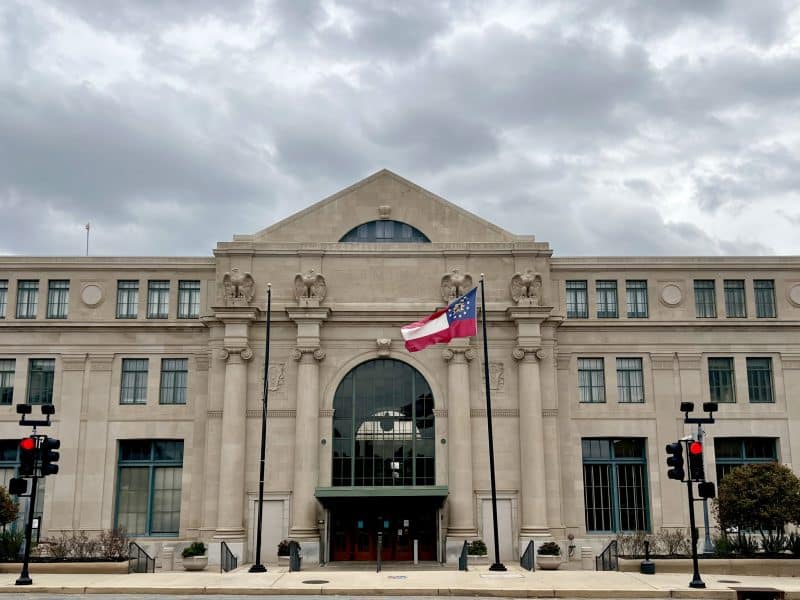
All aboard? GDOT asks residents to weigh in on restoring passenger train service to Macon
The Georgia Department of Transportation is surveying the public through Aug. 6 to gauge interest in Atlanta-to-Savannah rail service that could include a stop in Macon.
Are corporate investors responsible for one-third of all housing sales since 2020?
Learn the answer to this question in the fact brief in partnership with Gigafact.
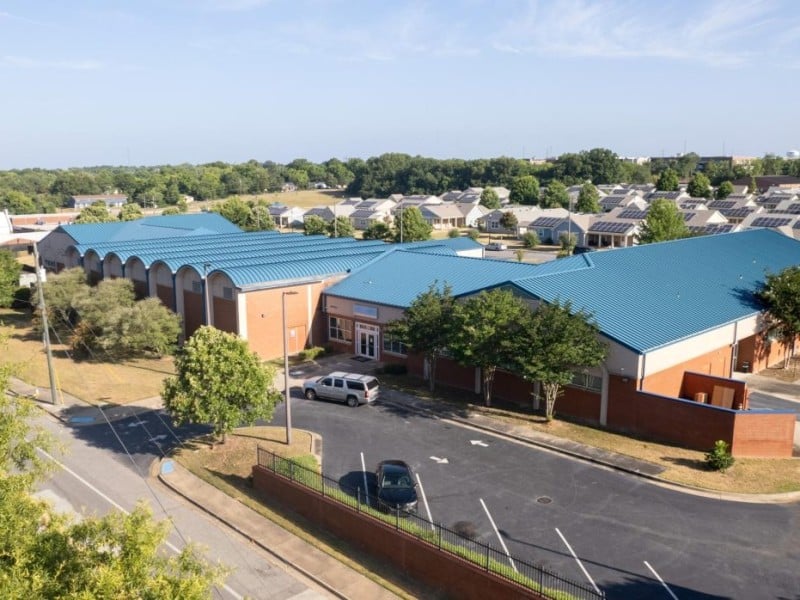
Macon’s Boys and Girls Club closed for 90 days, families search for alternatives
The club had many after-school programs that are now on hold.