
Linwood Cemetery is long overdue for a ‘renaissance’
Linwood Cemetery, the resting place of some of Macon’s most prominent Black citizens, is slowly being taken over by nature. Linwood needs a “renaissance,” according to Macon native Y-O Latimore
A new chapter for The Melody
Our team and coverage are moving to The Telegraph. Make sure you look for The Melody's community-first journalism as a section highlighting the people, places and moments that are the rhythm of Macon.
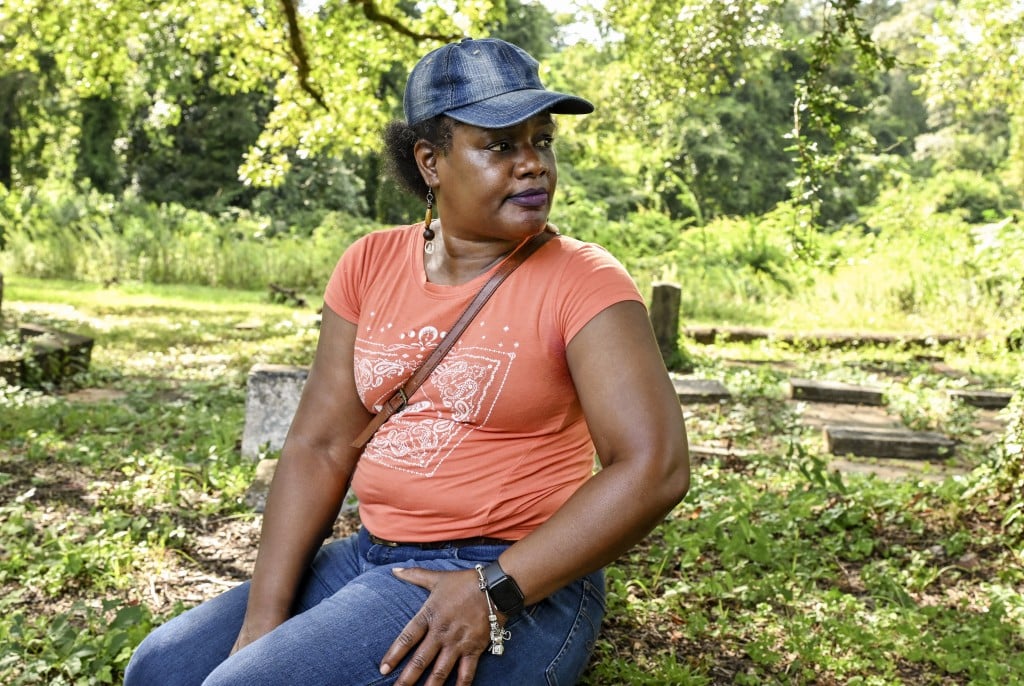
Macon native Y-O Latimore describes Linwood Cemetery in the Pleasant Hill Historic District as both a park and a museum.
Founded in 1894, Linwood is listed on the National Register of Historic Places and holds 4,000 graves, some unmarked.
Many of Macon’s most prominent Black citizens were laid to rest in the nearly 14 acres tucked between Grant Avenue and Pursley Street.
Congressional Medal of Honor recipient and former Pleasant Hill resident Rodney M. Davis is buried in Linwood, honored by a stone obelisk surrounded by three stone benches. Folks from all over the country have visited Linwood just to see Davis’ memorial.
Also buried in Linwood is Macon business owner and tailor Jefferson Franklin Long, who became the first Black man to address Congress.
“These are popular people, but don’t forget there are regular lay folks who are very important buried here too,” Latimore, who has served as president of the Macon Cemetery Preservation Corporation for several years, said

Both of Latimore’s parents grew up in Pleasant Hill and she frequently visited her aunt who lived there. Her father and brother were later buried in the cemetery. Linwood, she said, is what ties her to her family.
Although Linwood overflows with the history of those who contributed to Macon’s Black community, the cemetery is often forgotten, drowned out by the sound of cars on Interstate 75 and lost in the overgrowth.
Latimore, who is now 50 years old, recalled visiting the cemetery in her 20s when it was relatively well cared for and the creek separating the eastern and western halves of Linwood was once navigable by bridge. Today, that creek area is far too overgrown for visitors to drive from one side to the other safely.
“I’ve walked the whole cemetery and actually seen it cleared in my lifetime, especially as a younger kid, but as an adult, maybe about not even a dozen times,” she said.
Often, people don’t realize they have family buried there or they move away and graves are left in the hands of nature and time.
The Macon Cemetery Preservation Corporation is a nonprofit organization founded in 2001 to support the 33 abandoned or neglected cemeteries in Bibb County at the time. However, Linwood became the sole focus of the nonprofits’ efforts as volunteers, many of whom are historians or older folks, tried to support the cemetery’s upkeep.
“Everything’s kind of dwindling down and we need a renaissance,” Latimore said. “We honestly need a lot of help, but we can’t give up.”
Every Saturday, Latimore’s mother, Alice B. Jackson and retired Air Force Maj. Kevin Gunerman and his wife Lynn get to work – pulling up grass and clearing headstones for four or five hours at a time.
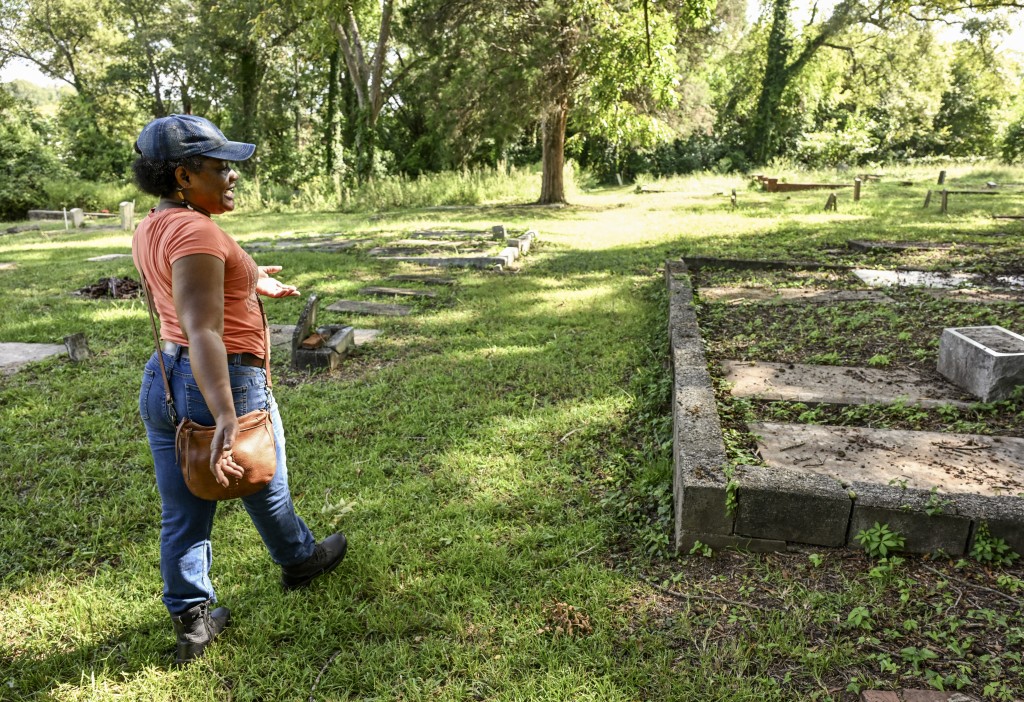
Her recent collaboration with folks on the Oak Ridge tour at Rose Hill Cemetery, Latimore explained, inspired her to continue telling stories about Linwood.
She hopes young community members will also take an interest in preserving Linwood’s history and feel inspired to “pick up the pieces.”
“Cemeteries are kind of the closest thing we have to capture this history and archive it before it’s too late,” she said, noting how Black history is often not well documented in other ways.
There will be a tour of Linwood on Oct. 12, a fundraiser by Latimore’s organization, Poetic Peace Arts, with ticketing run by Historic Macon.
For those who want to contribute to the clean up process, they can participate in a Saturday cleanup from 9 a.m. to noon.
For more information call 478-719-2054 or email [email protected]
Author

Related Articles
Retail boom poised to strain North Macon’s already clogged roads
Retail development is expected to outpace road work in north Macon.

Map redraw could cost Black voters in Bibb, legislators warn
The Georgia General Assembly meets this week to consider redrawing district lines and Bibb County’s delegation is concerned changes will disenfranchise Black voters.
Macon copper thieves pocket little but leave businesses with steep bills
Copper prices are high and thieves are stripping air conditioning units from businesses and homes across the country.