
CEA chairman: Board, created to fix problems in Macon’s poorest neighborhoods, needs restructuring
The Macon-Bibb County Community Enhancement Authority needs to be restructured, chair says.
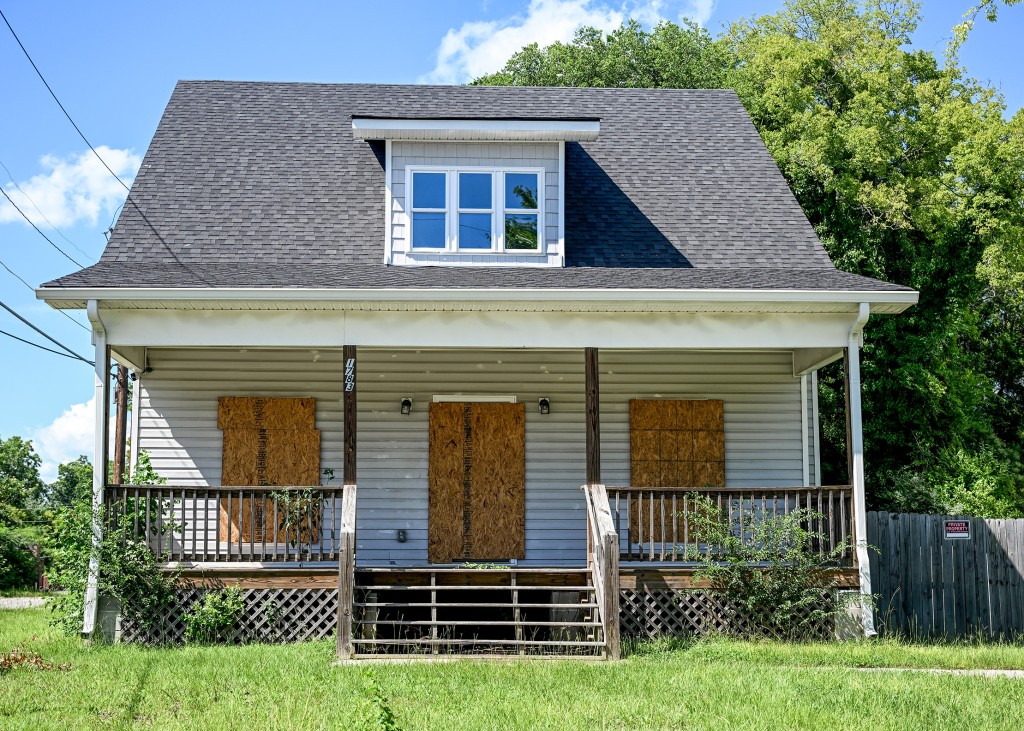
The Macon-Bibb County Community Enhancement Authority was created a dozen years ago to reduce poverty in the city’s poorest neighborhoods. But, records show, financial mismanagement, lax record-keeping practices and inadequate oversight derailed its mission and made its future uncertain.
The CEA was created in 2012 by former state Rep. James Beverly. The five-member board was empowered to issue revenue bonds, eliminate blight, attract commercial development, as well as to identify and address issues that drive intractable poverty in several neighborhoods.
Its work started in Pleasant Hill, a once-thriving Black neighborhood cut in two by the Georgia Department of Transportation, which demolished hundreds of homes to build Interstate 75 in the ’60s.
Nearly 40 years later, in the early 2000s, the state highway department returned with plans to widen the interstate and further encroach into Pleasant Hill. Residents banded together and negotiated a plan that would spare the historic neighborhood from losing any more houses to tons of asphalt and concrete.
All told, a total of 24 homes were impacted by the expansion work at I-75 and I-16. In 2016, GDOT offered $5.4 million to move seven of the homes and build 17 new ones.
Beverly, who began working full-time for the authority shortly after he created it, negotiated a deal with GDOT so the money, properties and homes would pass through the CEA.
Now — a decade after the housing work started — the project has yet to be completed, and the authority has not accounted for how it spent the millions that passed through its coffers.
The CEA has no headquarters, no lawyer, no website and no executive director. The board meets quarterly online.
The authority’s chair is Bruce Riggins, owner of Churchills on Cherry downtown and Cicero’s moving company.
Riggins told The Melody in December that the CEA board was conducting an audit. In a more recent phone call, Riggins said the audit he mentioned, “it’s not a true audit” because that would cost $15,000 to $20,000.
“We’re just not going to do that,” he said.
Records of emails obtained from GDOT show Riggins asked the state highway department in January for nearly $300,000 more to build its final house on Grant Avenue. GDOT had not approved the additional money as of late March.
Even so, Riggins said he didn’t want to start construction on the last house without identifying a potential buyer because an unoccupied home “invites vandalism.”
The emails also say CEA still needs to make extensive repairs to a two-story home on Walnut Street that was vandalized before the state could sign off on it. That house is among several other newly built homes that are in varying states of disrepair.
“We got one more try at trying to sell these other houses. If we can’t, we may just have to rent them,” Riggins said. That’s not ideal, he said. But, if put on the rental market, “they’ll rent tomorrow.”
CEA currently has six or seven tenants.
However, he said, “If someone wants to buy it, we’ll offer a great deal on them.”
CEA also has a stock of vacant homes that it hired a realtor to sell. Riggins said the board also recently hired a consultant to help make a plan to sell or rent the houses.
Selling multiple homes to a single investor isn’t off the table.
“If it comes down to that, if we have to get an investor, we’d have to vet them,” Riggins said. The board is “just trying to exercise all the options before we do.”
An effort to restructure
The CEA’s mission of reducing poverty is one that resonates with residents of Macon’s poorest neighborhoods. Such an authority is needed, residents say.
The legislation that created the CEA doesn’t spell out oversight details, such as which government entity it reports spending to.
Riggins said he is talking to a state representative about possibly amending the CEA legislation to restructure the board to include more members. Riggins declined to name the legislator.
The CEA needs a new board with fresh ideas, Riggins said, because “it’s stagnant for me.”
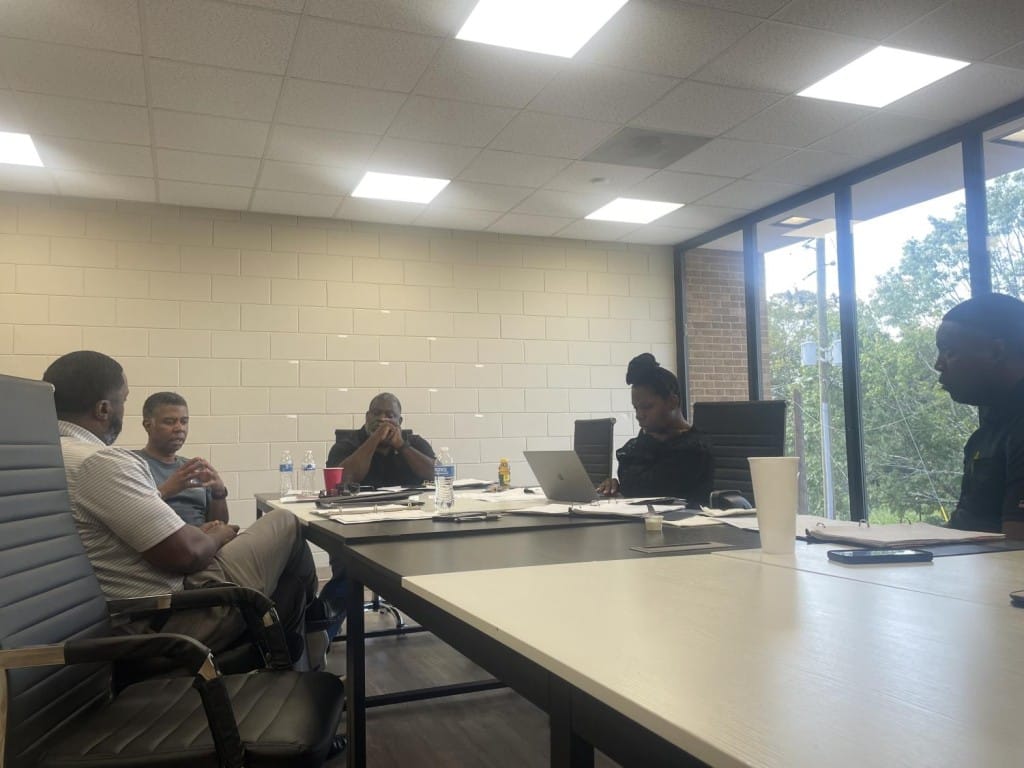
Riggins was appointed as board chair by Beverly, who resigned from the legislature in March 2024 after 13 years representing Macon and two as the House Democratic Minority Leader. Beverly stepped down as CEA’s executive director in 2018 amid criticism from some county commissioners that he was earning a paycheck from the authority he created.
The Macon-Bibb County government is supposed to appoint two people to the board to serve terms of four years each, but the county hasn’t made any appointments in years.
The CEA’s inability to produce an audit showing how it spent taxpayer dollars is what led the county to cut ties with it in 2024. The county had contracted CEA to manage the Booker T. Washington Community Center on Monroe Street, where the CEA offices once were. It later turned to Andrea Cooke, a county commission District 5 candidate whose mental health nonprofits were tenants there under the CEA’s management, to operate the community building.
The CEA also lost its management role for the Little Richard House, the childhood home of famous Macon-born singer Richard Wayne Penniman, who is frequently credited with being the “Architect of Rock and Roll.” The small yellow house functions like a miniature museum and is now managed by the county’s parks department.
In some ways, Macon-Bibb County has also taken over the CEA’s plan to create a revolving loan fund to build housing in distressed areas. In 2023, the county created the Macon-Bibb County Affordable Housing Fund Inc., a private nonprofit with some $7.5 million in American Rescue Plan Act money in its coffers.
MBCAHF Inc. is building houses in some of the very same neighborhoods that CEA identified as its target areas: Pleasant Hill, South Macon along Houston Avenue, Tindall Fields and part of East Macon near the Ocmulgee Mounds.
Like CEA, the MBCAHF is obtaining properties through the Macon-Bibb County Land Bank Authority.
Before you go...
Thanks for reading The Macon Melody. We hope this article added to your day.
We are a nonprofit, local newsroom that connects you to the whole story of Macon-Bibb County. We live, work and play here. Our reporting illuminates and celebrates the people and events that make Middle Georgia unique.
If you appreciate what we do, please join the readers like you who help make our solution-focused journalism possible. Thank you
Author

Related Articles
It formed to save downtown Macon. Now Urban Development Authority’s reach is much expanded
When the Macon Mall opened in 1975, the Macon-Bibb County Urban Development Authority was formed to save downtown. Now, a half century later, it is working to revitalize the mall.
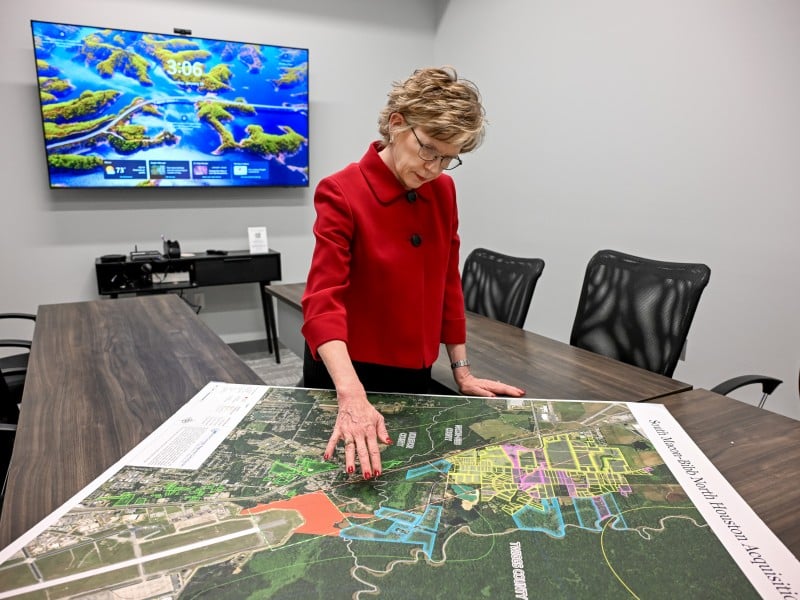
The quiet authority shaping the future of Robins Air Force Base
The Central Georgia Joint Development Authority’s mission is to protect Middle Georgia’s largest employer.
The authorities that run Macon-Bibb: A primer
Get to know the authorities that make decisions on everything from water bills to housing across Macon-Bibb County.