
Make your yard a hummingbird paradise
Plants and easy-to-maintain backyard feeders can be used to attract hummingbirds this season.
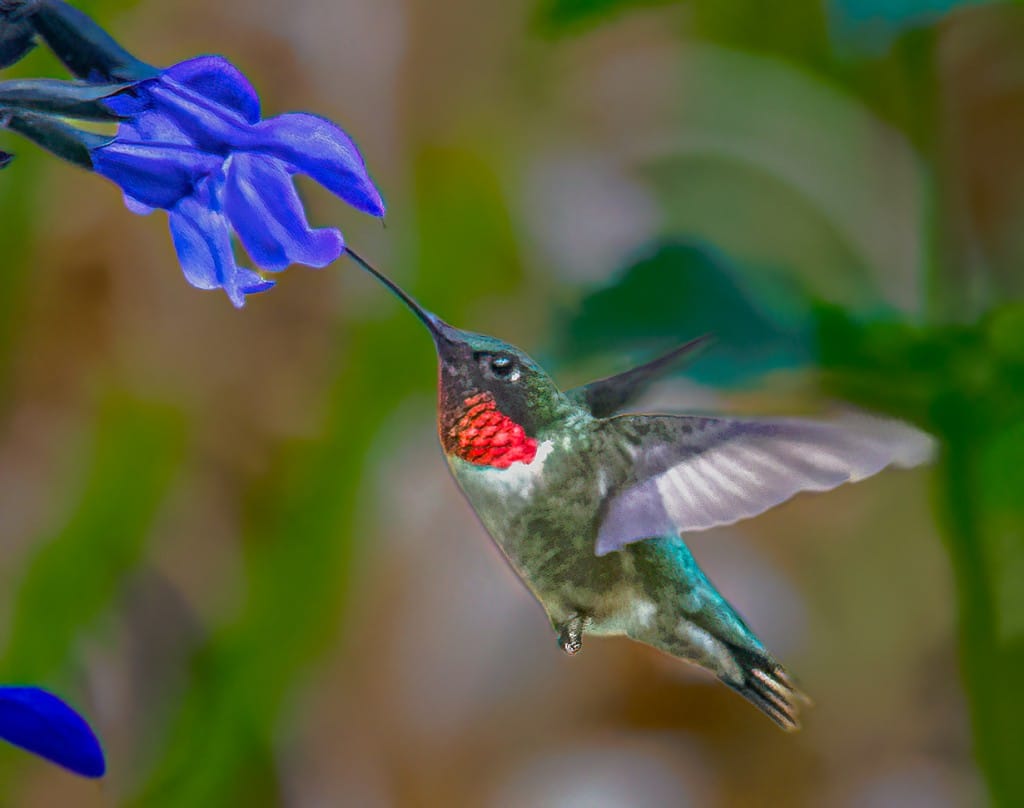
As spring settles into Georgia, many homeowners are beginning to spot the familiar flash of hummingbirds returning to their gardens and feeders. For many homeowners, these tiny flying wonders are a welcome sight each year, though some landscapes do a better job attracting them than others. Even if you are not a serious gardener, your backyard can easily be transformed into an inviting habitat for these remarkable birds.
Georgia is home to 11 species of hummingbirds, according to the Georgia Department of Natural Resources Wildlife Resources Division. The list includes the ruby-throated, black-chinned, rufous, calliope, magnificent, Allen’s, Anna’s, broad-billed, green violet-ear, green-breasted mango and broad-tailed hummingbird. Of these, the ruby-throated hummingbird is the only species known to nest in Georgia. This tiny bird weighs about one-tenth of an ounce and builds a nest about the size of a walnut. The female lays two eggs, each about the size of a black-eyed pea.
UGA experts recommend placing six to eight hummingbird feeders per half-acre of land, with two or three feeders in open areas for males and the remaining feeders in tree canopies for females and young birds. Feeders should be maintained year-round in Georgia, as hummingbirds may leave areas where food sources are not consistently available.
A sugar solution made of four parts water to one part table sugar, which closely mirrors the sugar concentration found in natural nectar, is the best mixture for feeders. Boil the water for several minutes before adding the sugar. Allow the mixture to cool and store it in the refrigerator until ready to use. Never add fruit juice, honey or red dye. Since hummingbirds get their protein from gnats and other tiny insects, they do not require any additional ingredients in the feeder solution.
It is important to clean feeders every few days to help prevent bacterial growth that can make birds sick. One way to reduce waste and keep nectar fresh is by filling feeders only halfway and refilling them more frequently. To clean feeders, discard any leftover nectar and rinse thoroughly three or four times before refilling. Ants can be discouraged by installing an “ant moat” between the feeder and the hanging structure or by applying petroleum jelly or a similar substance to the wire above the feeder. Bees, wasps and yellow jackets can be deterred by lightly coating the artificial flowers around feeding ports with cooking oil.
There are also many plants that can help attract hummingbirds by providing nectar sources throughout the growing season. Consider adding some of the following to your landscape:
— Early-season plants: native columbine (Aquilegia canadensis), bottlebrush buckeye (Aesculus parviflora), red buckeye (A. pavia), native honeysuckle (Lonicera sempervirens) and trumpet creeper (Campsis radicans).
— Mid-season plants: blue sage (Salvia guaranitica), chaste tree (Vitex agnus-castus), spider flower (Cleome hasslerana), sweet William (Dianthus barbatus), butterfly bush (Buddleia davidii), common impatiens (Impatiens hybrida) and bee balm (Monarda didyma).
— Late-season plants: cardinal flower (Lobelia cardinalis), pineapple sage (Salvia coccinea), lantana (Lantana camara ‘Miss Huff’), morning glories (Ipomoea spp.), cannas (Canna generalis) and upright verbena (Verbena bonariensis).Hummingbirds are truly remarkable creatures that can be enjoyed by the whole family. For more information on hummingbirds and other backyard birds, visit the Cornell Lab of Ornithology at allaboutbirds.org.
Before you go...
Thanks for reading The Macon Melody. We hope this article added to your day.
We are a nonprofit, local newsroom that connects you to the whole story of Macon-Bibb County. We live, work and play here. Our reporting illuminates and celebrates the people and events that make Middle Georgia unique.
If you appreciate what we do, please join the readers like you who help make our solution-focused journalism possible. Thank you
Related Articles

Going on vacation? remember these 7 health must-haves
Amid the excitement of preparing for vacation, one essential item is often overlooked: our health.
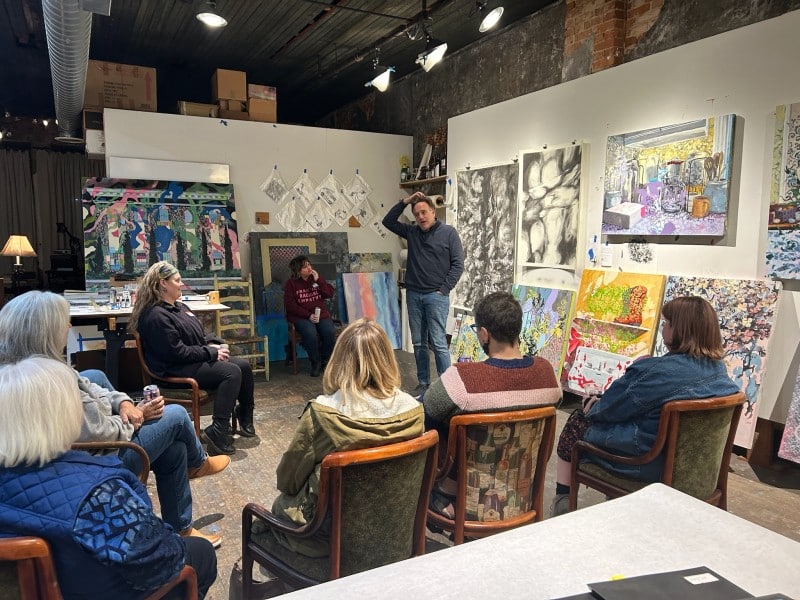
Macon’s 478 Creatives celebrates five years of connecting local artists
478 Creatives, a Macon grassroots artists organization, celebrates five years this July with an event at Tanglewood Art Studios, owned by 478 Creatives founder Erin Hawkins.
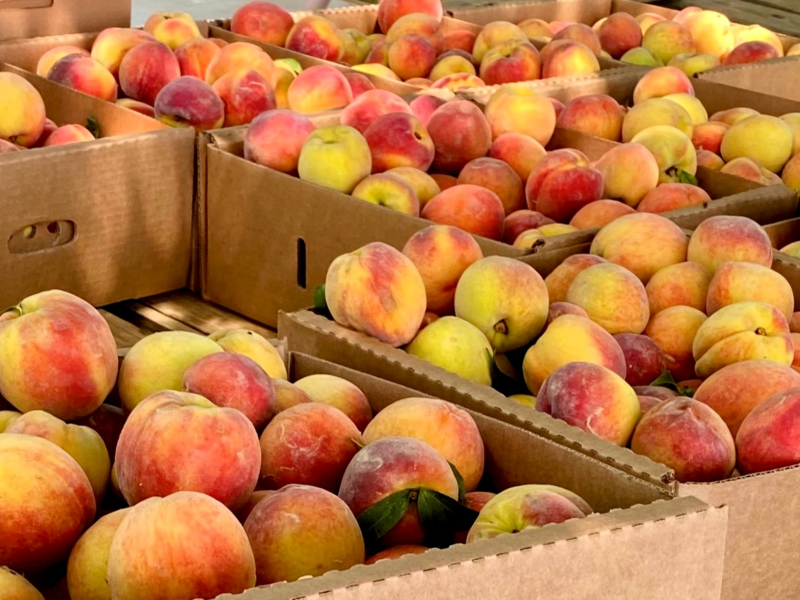
Peachy summer in Middle Georgia
Middle Georgia accounts for 75% of Georgia’s peach production.