
MLK in Macon and Dublin: A road map
Look back on the civil rights leader’s time in Middle Georgia to celebrate the holiday.
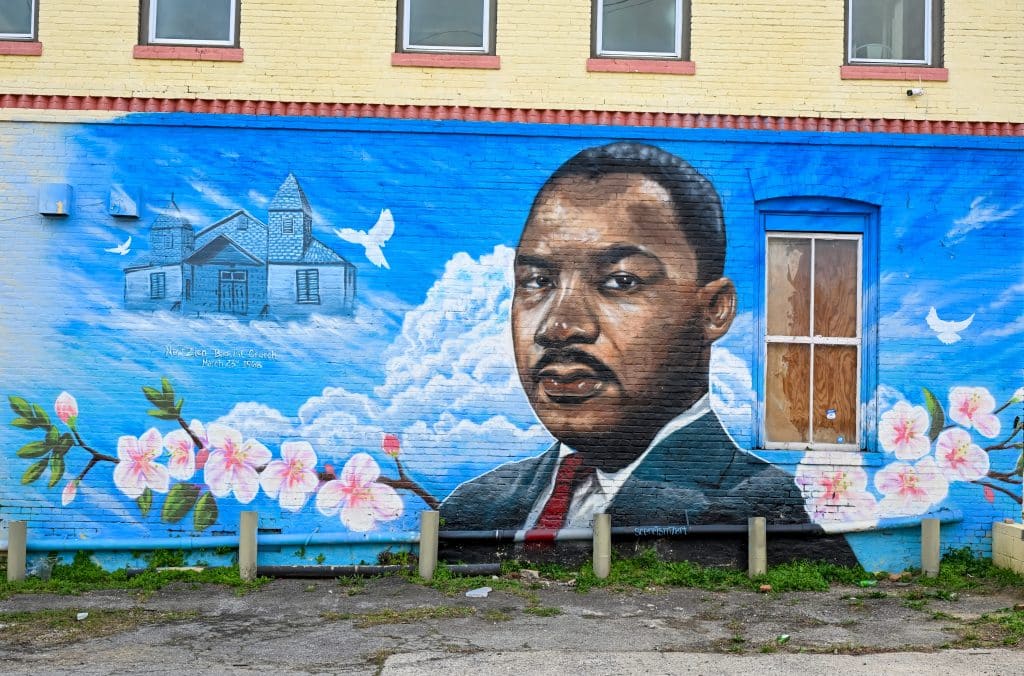
When Martin Luther King Jr. traveled through Dublin and Macon, he left a lasting imprint on Middle Georgia’s civil rights history.
This guide highlights the key stops where King spoke, organized and connected local struggles to a national movement.
This report was compiled in advance of Monday’s Martin Luther King Jr. Day, a federal holiday honoring the life, achievements and legacy of the slain civil rights leader.
Dreams in Dublin
Before civil rights activist Martin Luther King Jr. had a dream, he had an essay.
Speaking to a crowd in Dublin on April 17, 1944, attendees at First African Baptist Church heard the 15-year-old deliver his first public speech, “The Negro and the Constitution.”
King talked as a participant in an essay contest hosted by the “Colored Elks Clubs” of Georgia, which held its state convention at the church.
“My heart throbs anew in the hope that inspired by the example of Lincoln, imbued with the spirit of Christ, they will cast down the last barrier to perfect freedom,” King said in his speech. “And I, with my brother of blackest hue possessing at last my rightful heritage and holding my head erect, may stand beside the Saxon — a Negro — and yet a man!”
In another pivotal moment following his speech, King was asked — for the first time in his life — to give up his seat on the bus ride from Dublin back to his home in Atlanta.
In honor of King’s roots in Dublin, the church hosts an annual oratorical speech contest.
A mural and monument erected in downtown Dublin near the church honors the place that later became a catalyst for King’s work.
This was not King’s only visit to Dublin. In 1961, he checked into Dudley’s Motel and Cafe, one of the only inns between Macon and Savannah that Black people could frequent, according to an article in The Courier Herald.
While the motel offered accommodations such as televisions, telephones and electric heat, it served an even greater purpose during the Civil Rights Movement. Black ministers and other civil rights activists stayed at Dudley’s, which acted as a safe house.
Stops in Macon
King made several trips to Macon and referenced it in his speeches.
In 1957, he delivered a speech at Steward Chapel on Forsyth Street, which is now the site of a ceremony following Macon’s annual parade that honors King.
In July 1962, he acknowledged a voter registration campaign in the city.
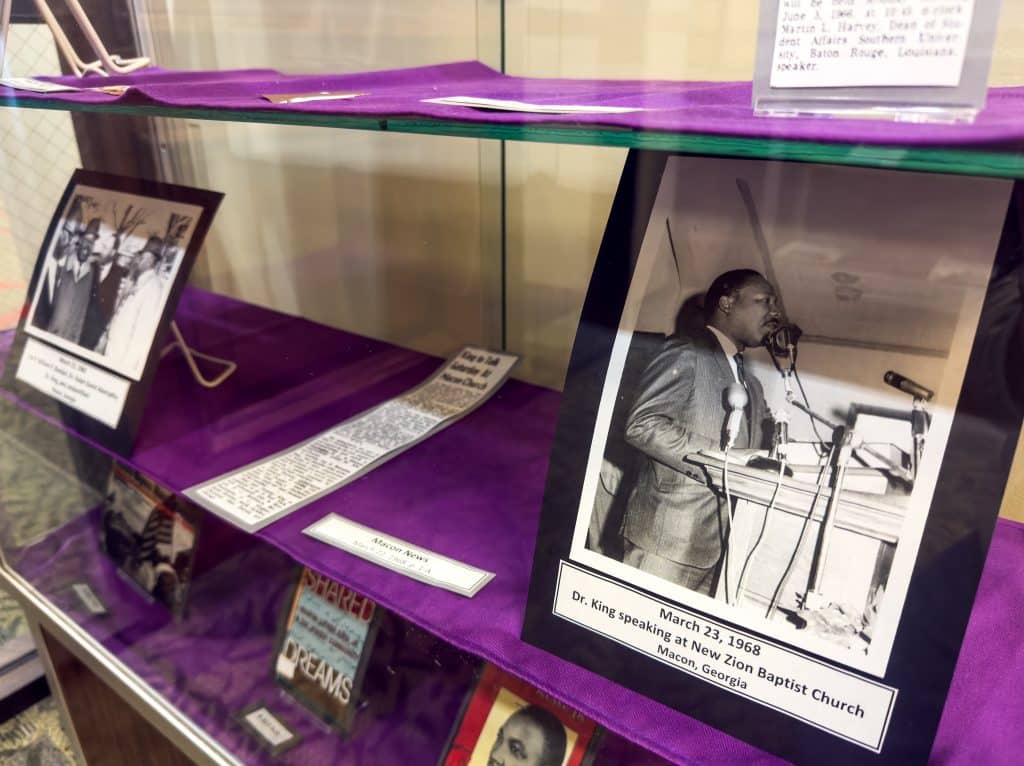
Just 12 days before his assassination in 1968, King visited Macon as part of his Poor People’s Campaign. He addressed the crowd of 400 at the New Zion Baptist Church, encouraging them to stand up against systemic inequality in wages and advocate for a better quality of life.
King’s stops in Macon — and his overall legacy — are commemorated with a mural by a local artist, Kevin “Scene” Lewis, which depicts the civil rights leader gazing into the distance and flanked by clouds and a blue sky. The mural, created in 2024, is located two blocks from the original location of New Zion Church.
Remembering King
The public is invited to a free screening of “Made for a King,” a documentary by Keep Macon-Bibb Beautiful, at 3 p.m. Saturday at the Douglass Theatre on Martin Luther King Jr. Boulevard in Macon.
The documentary first premiered in March 2025. It gives viewers a glimpse into King’s last visit to Macon and documents how Lewis made his mural.
After the screening, U.S. Rep. Sanford D. Bishop, who represents Southwest Georgia, will speak.
Before you go...
Thanks for reading The Macon Melody. We hope this article added to your day.
We are a nonprofit, local newsroom that connects you to the whole story of Macon-Bibb County. We live, work and play here. Our reporting illuminates and celebrates the people and events that make Middle Georgia unique.
If you appreciate what we do, please join the readers like you who help make our solution-focused journalism possible. Thank you
Authors


Related Articles
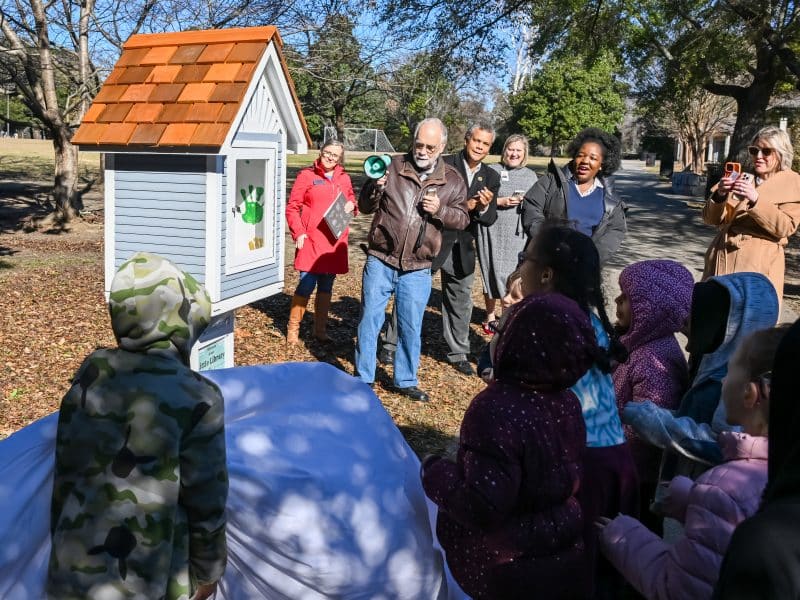
Maintaining Macon’s network of little libraries takes care and community
A brand-new Free Little Library was unveiled in Tattnall Square Park Friday morning.
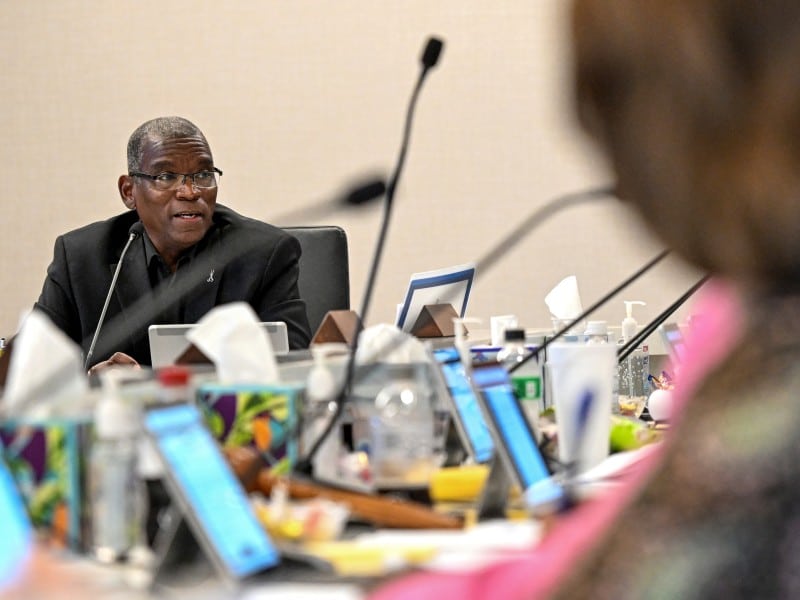
Macon Water Authority CEO Ron Shipman dies after heart attack
Shipman worked with several of Macon’s most powerful institutions over the course of his career.
It formed to save downtown Macon. Now Urban Development Authority’s reach is much expanded
When the Macon Mall opened in 1975, the Macon-Bibb County Urban Development Authority was formed to save downtown. Now, a half century later, it is working to revitalize the mall.