
Perfect Match: Mercer grads begin journey that may help fill state’s critical doctor needs
Mercer University’s graduating medical students and more than 50,000 of their peers nationwide will find out which hospitals have selected them for coveted positions in their residency programs.
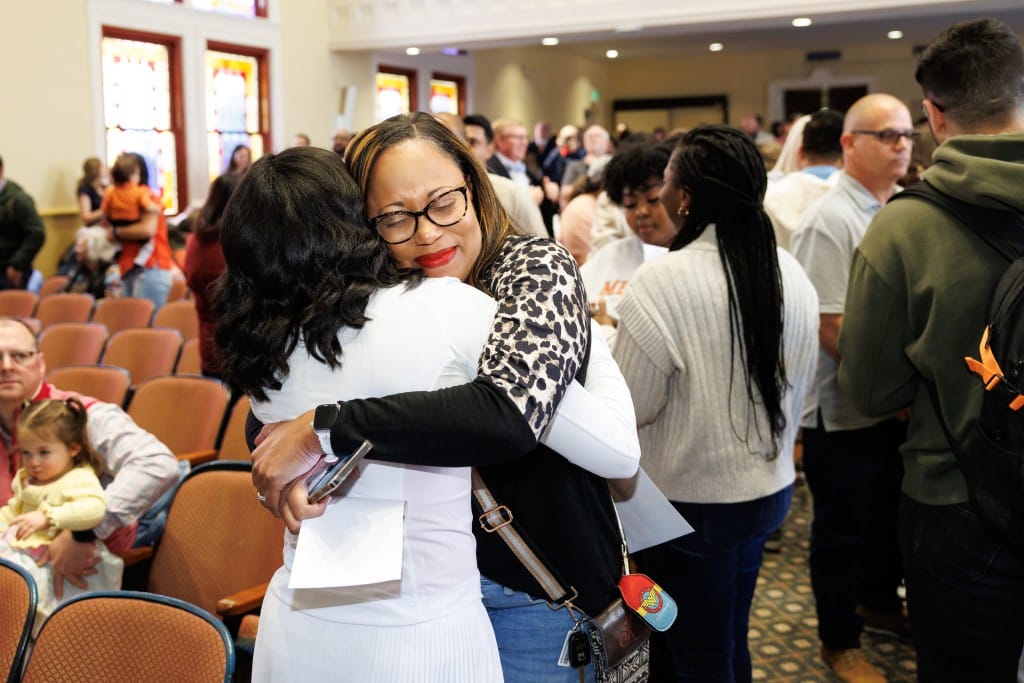
It’s timed to happen simultaneously, every year, on the third Friday of March across the country.
Today is Match Day. Think of it like the NFL draft for med students.
At noon, Mercer University’s graduating medical students and more than 50,000 of their peers nationwide will find out which hospitals have selected them for coveted positions in their residency programs.
Mercer medical students Hannah Cabe and Faith Harris are both excited to see where they, along with their fellow classmates, will go to get more supervised, hands-on training working with patients.
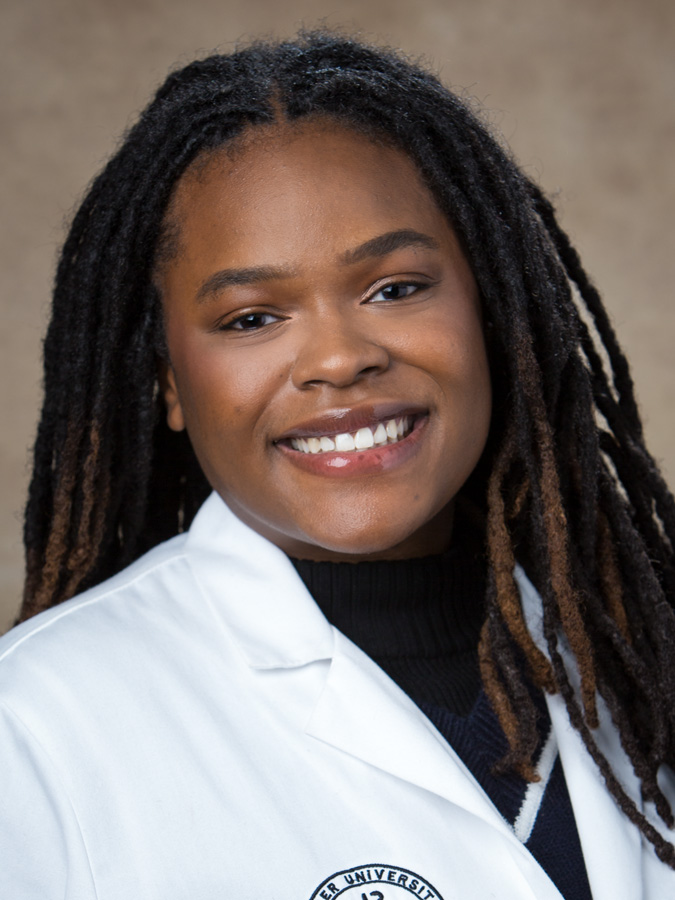
“We’ve been studying now for almost four years,” Harris said. “Getting to see where, exactly, that next step is going to be, it just feels like a long-awaited part of being in medical school that we finally get to experience.”
Last year 44% of Mercer’s med students matched into Georgia residencies. Right now, more than 60% of graduates from the school practice in the state. They are filling a critical need. Georgia is grappling with a severe shortage of doctors.
According to the Georgia Public Policy Foundation, an independent, nonpartisan think tank, there are a little over 28,000 practicing physicians serving more than 11 million people in the state. This physician-to-patient ratio is 23% worse than the national average. As current physicians retire and the population continues to grow, the gap likely will widen. It’s a problem, especially pronounced in rural Georgia.
Of the Mercer medical school grads who practice in the state, more than 80% choose to do so in rural or medically underserved communities.
Friday’s Match Day is a pivotal juncture for med students hoping to fill the gap. Students have been preparing for this moment since starting medical school, but began completing their applications last summer. For a few months after the application deadline, they interviewed with programs that expressed interest. After their interviews concluded, the students had until early March to rank their desired programs. The programs do the same thing, ranking the students that they interview. The results are put into an algorithm that matches each party’s preference. This brings us to Match Week.
This past Monday, students found out via email if they matched, but not where they’ll go. That brings us to today.
Both Cabe and Harris were excited and relieved to know that they had been matched. There are no guarantees.
If a student partially matches or didn’t match at all, they may be eligible to participate in the Supplemental Offer and Acceptance Program or SOAP. This gives them the opportunity to apply and interview for unfilled programs.
It’s during residency that graduates begin to specialize in a type of medicine.
Harris decided on psychiatry, which came as a surprise to her. She hadn’t considered what she wanted to specialize in until her third year in medical school. She was helping to treat a patient, and a psychiatrist had to be brought in for a consultation.
“I’ve always really appreciated mental health, and I always believed in advocating for it,” Harris said. “But, it wasn’t until I was actually in the position to see how it works in the health care system … that I could really see that’s the type of medicine that I really love.”
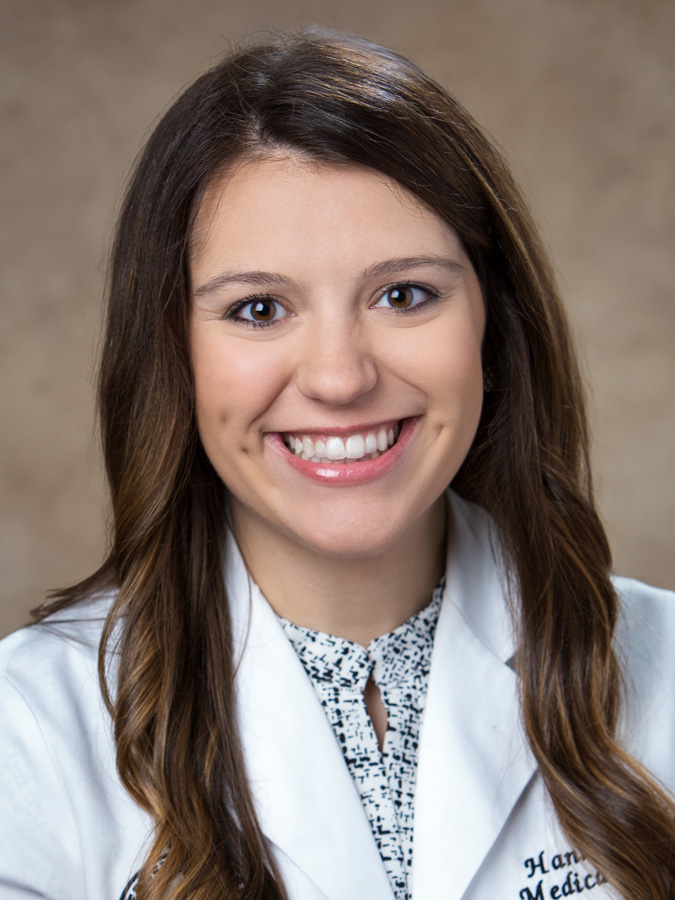
For Cabe, OB-GYN is her chosen specialty. She loves the idea of being able to care for a woman from her first menstrual cycle to pregnancy then menopause. “When you’re caring for a woman, you’re caring for more than just that patient. You’re caring for their whole entire family,” she said.
Her interest in the field was also sparked because there’s a need in her hometown in Middle Georgia’s Washington County. There aren’t any OB-GYNs in the area.
According to the Georgia Board of Health Care Workforce, Washington County was among the 82 counties that didn’t have a practicing OB-GYN when data was collected in 2023-2024. Thirteen counties in Georgia didn’t have any practicing physicians.
At Mercer’s Match Day ceremony, med students will be handed envelopes, to open at the same time, with information revealing their matches. As they walk up to receive the envelopes, their chosen music will play. Cabe decided on “You Make My Dreams Come True,” by Daryl Hall and John Oates. It’s upbeat and fits the theme, she thinks.
Harris decided on “A Good Day,” by the Rev. James Cleveland. She picked this song because it’s about being grateful for where you are in life. There were some hard moments in the journey, she said. Still, she wants to remember “to be grateful because it really is a privilege and a blessing to be where we are.”
Before you go...
Thanks for reading The Macon Melody. We hope this article added to your day.
We are a nonprofit, local newsroom that connects you to the whole story of Macon-Bibb County. We live, work and play here. Our reporting illuminates and celebrates the people and events that make Middle Georgia unique.
If you appreciate what we do, please join the readers like you who help make our solution-focused journalism possible. Thank you
Author
Related Articles

Code enforcement is now a public safety agency, Macon-Bibb commissioners decided
Macon-Bibb County commissioners voted 5-3 to reclassify code enforcement as a public safety agency at its meeting March 18, 2026.
Along a neglected corridor of South Macon, change is underway
Macon-Bibb officials say they’re making a significant financial investment that they hope will spur a revitalization along the South Macon corridor that has been long plagued by blight and crime.
New candidates challenge familiar faces for two school board seats
Board member Lisa Garrett-Boyd is seeking reelection but will face off against three other candidates in the May primaries.