
Bibb County school board begins chipping away at $23 million deficit
Rising healthcare costs, variable equalization grants and new laptops for students headline the deficit.
A new chapter for The Melody
Our team and coverage are moving to The Telegraph. Make sure you look for The Melody's community-first journalism as a section highlighting the people, places and moments that are the rhythm of Macon.
Editor’s note: A previous version of the story noted the Bibb County School District received $11 million in equalization grants in 2024. The story has been updated with the correct figure of $23 million.
The Bibb County School District is facing a $23 million deficit due to declining equalization grants and soaring healthcare costs, raising questions about teacher salaries, school closures and the millage rate.
With the state legislature beginning to finalize its budget, the district anticipates receiving $2 million more in state funding based on student enrollment.
At the same time, the district may receive $9 million less in Quality Basic Education (QBE) equalization grants, as estimated by the state budget office according to the district’s presentation. Equalization grants are distributed based on factors like millage rate and property taxes in order to help low-wealth districts.
Last year, the Bibb County School District received $23 million in equalization grants.
Between this year and next year, the school district will also have to pay an additional $5.5 million in health insurance costs due to increases to state health insurance.
“These state mandated health costs are extremely high,” board member James Freeman said. “The $9 million cut to QBE funding … volatile is an understatement.”
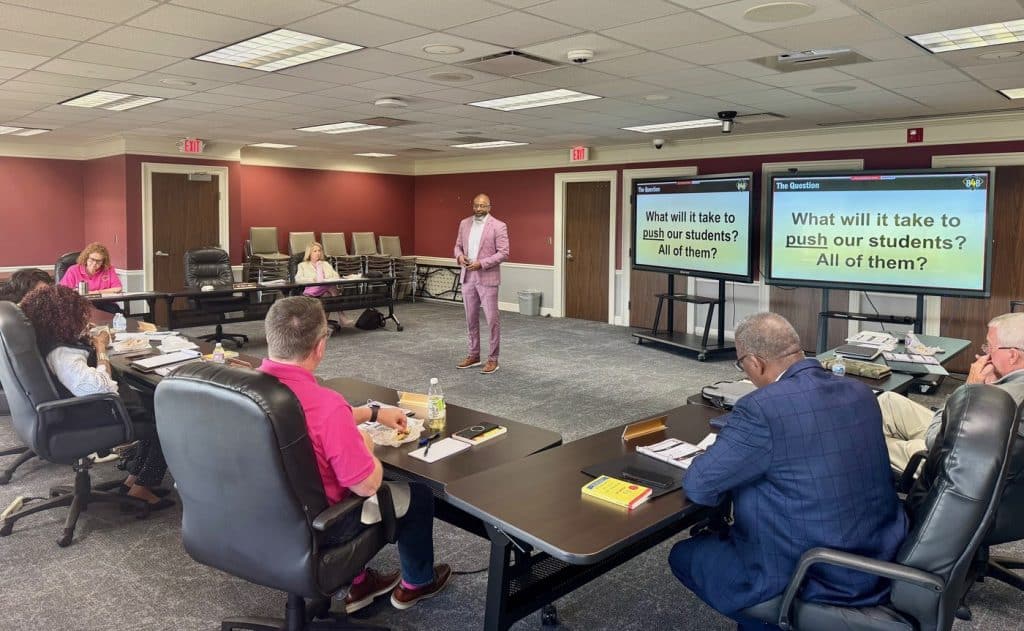
The estimated costs and revenues come from the district’s preliminary fiscal year 2026 general fund budget presented at the Bibb County school board’s retreat last Friday at the district’s headquarters on Mulberry Street.
The district is also upgrading its laptops for students at a cost of $3 million annually over the next few years.
Bibb Schools CFO Eric Bush said the $23 million deficit is a “starting point,” as the district faced a similarly sized deficit at the start of its budgeting process last year and ended up approving a budget that included a $9 million deficit.
The district will look to maintain a fund balance ratio between 8-15%, as mandated by the state. The ratio will be used as an indicator on the budget’s feasibility.
The district’s 2025 fund balance-to expense ratio was a little under 25%, which had become so high in past years due to the increased influx of money from the COVID-19 pandemic, Bush said.
“We gotta look at ways to … either increase revenue or really cut expenses,” he said. “The goal is to get (the deficit) to zero, but I don’t think that’s going to be our goal this year.”
Closing schools or rezoning some students were also pitched as possible solutions. The possibility of school closures has loomed for years as student enrollment declines and operating costs soar.
More than half of the district’s elementary schools have too few students enrolled, according to the state’s standards. The target enrollment for elementary schools is 450 students.
Deputy Superintendent Katika Lovett answered questions from board members at the retreat about closing and rezoning.
Lovett is set to make final recommendations at the board’s April 17 meeting.
Lovett told board members any combination of the school closure scenarios could be adopted, or none at all.
Closing any one of L.H. Williams, Porter or Hartley elementary schools could save the district about $1 million annually. Bush told the school board costs associated with shuffling around students would be negligible compared to the savings from closing one or more schools.
Another possibility for reducing the deficit is raising taxes, something the school board has steered clear of since 2016 until last year when it approved a 5% tax increase.
An increase of one mill could net the district almost $6 million, Bush said.
“There is no silver bullet that will fix all of this,” Freeman said.
Superintendent Dan Sims outlined his budgetary priorities over the next three years, which include raising teacher salaries, hiring a consultant to help address truancy and offering more professional development for teachers.
Sims reiterated points from his January State of the District address, during which he called upon parents, students and teachers to buy into each child’s education.
“One of the things that concerns me the most is we have all these grand opportunities, and kids aren’t taking advantage of it,” he told board members.
Sims also discussed future graduation requirements for students, which will include completing 75 hours of community service, 15 hours of dual enrollment and 60 hours of job shadowing.
Bush’s presentation on the district’s finances pointed out that a 2% increase in salaries would cost about an extra $4 million.
Sims said the district has to account for its “financial bottom line” while trying to keep its pay competitive. Raises would have to be funded with local tax dollars, according to the budget presentation.
The school board is set to vote on a tentative budget at its monthly meeting May 14. The board plans to finalize the budget at its June meeting following two public hearings.
Author

Related Articles
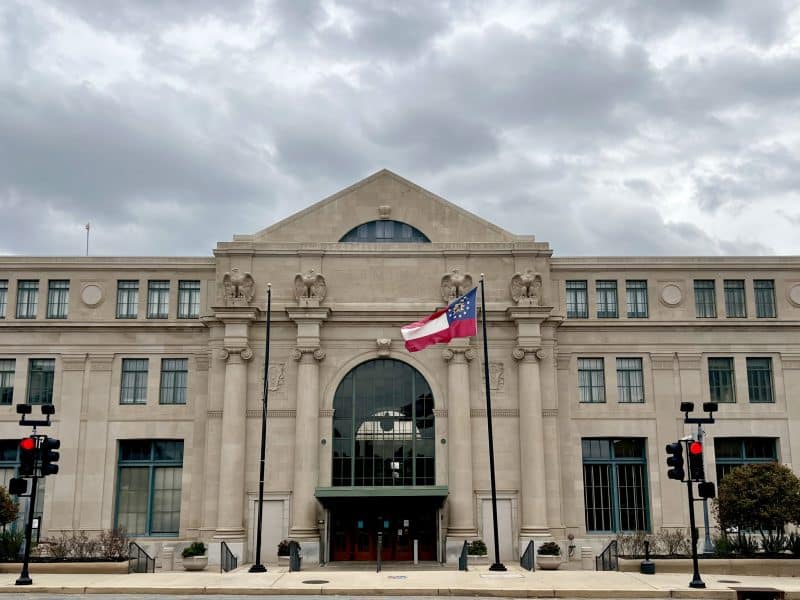
All aboard? GDOT asks residents to weigh in on restoring passenger train service to Macon
The Georgia Department of Transportation is surveying the public through Aug. 6 to gauge interest in Atlanta-to-Savannah rail service that could include a stop in Macon.
Are corporate investors responsible for one-third of all housing sales since 2020?
Learn the answer to this question in the fact brief in partnership with Gigafact.
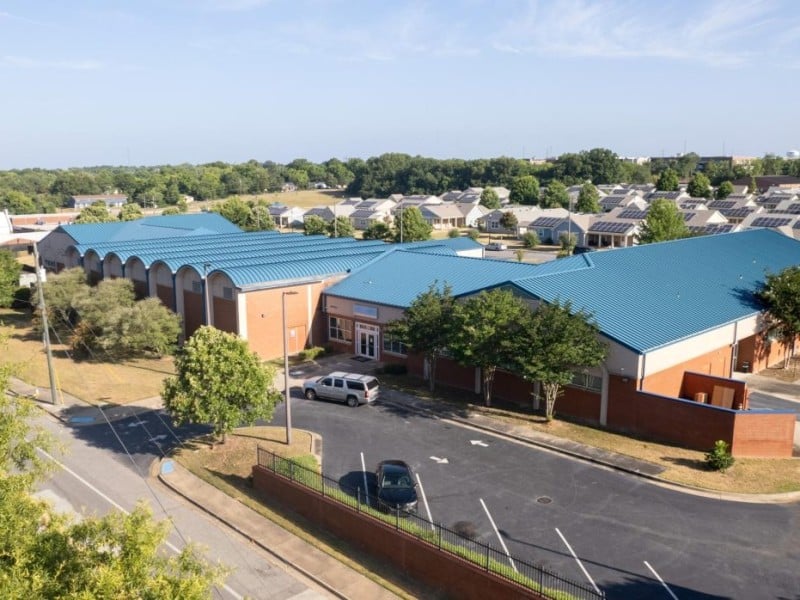
Macon’s Boys and Girls Club closed for 90 days, families search for alternatives
The club had many after-school programs that are now on hold.