
School closures may be “inevitable,” consultants tell Bibb school board
A year after the board shelved a plan to close several elementary schools, the issue is back on the agenda again.
A new chapter for The Melody
Our team and coverage are moving to The Telegraph. Make sure you look for The Melody's community-first journalism as a section highlighting the people, places and moments that are the rhythm of Macon.

A year after the Bibb County Board of Education shelved a plan to close several elementary schools, the issue is back on the agenda again as district officials continue to grapple with declining enrollment.
Consultants hired for a rezoning study suggested the Bibb County Board of Education revisit closing elementary schools to maximize state funding.
The school district held several community meetings in 2025 to discuss the possibility of closing either L.H. Williams, Hartley or Porter Elementary School. But, facing strong opposition, board members ultimately decided against it, opting to look into rezoning first.
Rezoning — or changing the schools some students are assigned to — balances enrollment while also preserving the identity and neighborhood significance of the schools in question.
Nine of 19 Bibb County elementary schools fall below the state’s enrollment threshold of 450 students and do not receive full funding for teachers and services.
For instance, a school above the minimum requirement might receive state funding for a principal, librarian and art teacher, while schools below that requirement would receive only enough funding for a principal.
The district hired HPM Leadership, an Alabama-based consulting firm, in August to conduct a rezoning and redistricting study as the alternative to closures.
HPM presented its initial findings to the board Wednesday afternoon. Enrollment is expected to decline by roughly a thousand students by 2035, according to HPM’s presentation.
HPM Director of Planning Scott Leopold said redrawing boundaries won’t impact much. Impacted schools would still hover around the 450 student count, even after pulling students from well-enrolled schools.
“I don’t think that juice is worth the squeeze,” Leopold told board members. “Let’s at least have the conversation: Should we revisit consolidation before we change boundaries?”
MLK Jr., Veterans and Southfield elementary schools were identified as early candidates to have students relocated under rezoning. The rezoning suggestion presented to board members would still leave four schools under the state’s enrollment requirement.
“We can temporarily balance the enrollment, but we feel that consolidation may be inevitable just based on kind of what we’re seeing in your data and what we’re seeing around the region,” Leopold said.
Leopold and his team will venture into Macon’s communities to talk with residents and figure out specific boundary adjustments before concluding their study.
Board member Barney Hester told fellow board members he doesn’t know how the district will keep schools with a lower enrollment above the state’s threshold by simply rezoning.
“I personally would like to see us look at consolidation again,” he said during Wednesday’s meeting. “I think we’ve got to look down the road further. I’m concerned about our numbers.”
While the district’s total capacity was 24,460 students in 2025, enrollment came in at 21,337 students.
Enrollment decreased to 20,783 this fall because of a slowdown in population growth and the impact of private school vouchers.
Board President Daryl Morton told The Melody not meeting the state’s enrollment requirement is leaving money on the table. However, he later noted the current rezoning process would not involve closing any schools.
“The budget realities are such that we have to look at this process,” board member Kristin Hanlon said. “Nobody’s going to hand us a pile of money.”
Board member Myrtice Johnson said she doesn’t think families will “take too kindly” to going through the consolidation process again.
Parents and community members raised concerns about losing community identity, meeting transportation needs and receiving adequate student attention throughout last year’s consolidation process.
Leopold, however, said the reality is that schools will not be able to support student demand for certain programs if resources are spread too thin.
Consolidation is a matter of getting more dollars into the classroom, Leopold said.
“They’ve been funding these additional, required positions at these schools locally,” he said. “Just given our current budget situation across the region and across the state, I don’t know if that’s sustainable.”
Author

Related Articles
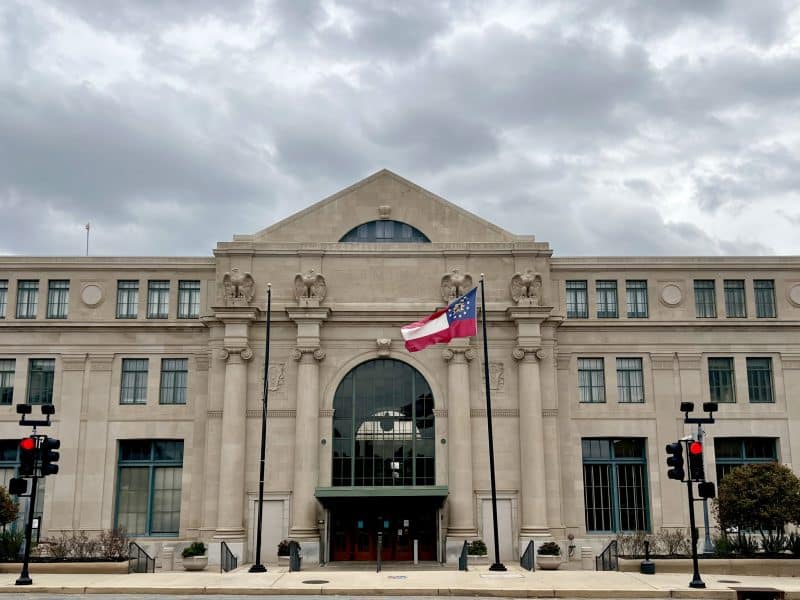
All aboard? GDOT asks residents to weigh in on restoring passenger train service to Macon
The Georgia Department of Transportation is surveying the public through Aug. 6 to gauge interest in Atlanta-to-Savannah rail service that could include a stop in Macon.
Are corporate investors responsible for one-third of all housing sales since 2020?
Learn the answer to this question in the fact brief in partnership with Gigafact.
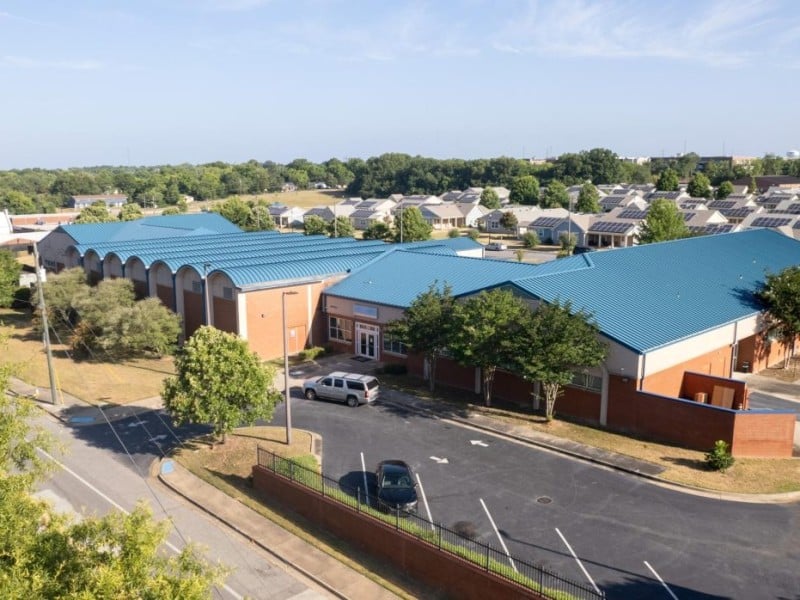
Macon’s Boys and Girls Club closed for 90 days, families search for alternatives
The club had many after-school programs that are now on hold.