
Assembly adjourns: Medical marijuana, historic tax credit bills go to governor
The pair of Macon-relevant bills moved out of the legislature ahead of the legislature’s final day Thursday.
A new chapter for The Melody
Our team and coverage are moving to The Telegraph. Make sure you look for The Melody's community-first journalism as a section highlighting the people, places and moments that are the rhythm of Macon.

Thursday marked the final day of the Georgia legislative session, meaning all bills not approved by both House and Senate chambers will have to wait until next year.
The session’s last day — known as Sine Die, which is Latin for “without day”— is often marked by a chaotic scramble to get legislation passed before midnight. But some bills, passed by legislators before the frantic 40th day, are already bound for the desk of Gov. Brian Kemp to await his signature.
One, sponsored by state Sen. David Lucas, D-Macon, effectively removes the THC — that is, the active ingredient — cap for medical marijuana. Another, sponsored by state Rep. Anissa Jones, D-Macon, expands the historic rehabilitation tax credit program that officials at the Historic Macon Foundation say has been a game-changing tool for downtown revitalization.
Legislation was also passed to elevate the penalties for blocking roads during protests, as well as a law that bans high school students from having cell phones during classes. Most Macon public schools are largely unaffected because they already have implemented such a ban.
The medical marijuana bill addresses a current state law that limits the concentration of THC, which determines the potency of the drug, to 5%. Only patients with specific ailments — such as cancer, Parkinson’s disease, epilepsy or post-traumatic stress disorder (PTSD) — are eligible to receive medical marijuana cards, which allows them to buy cannabis from authorized outlets.
Judson Hill, president of the Georgia cannabis dispensary Fine Fettle, said the new law will put the state’s medical marijuana program in line with states around the country. Right now, even medical marijuana patients “near death” only have access to receive a “weaker” product.
The change — which, if signed into law, will take effect this June — means medical marijuana patients can receive stronger treatment, he said.
The Putting Georgia’s Patients First Act also relabels low-THC oil as medical marijuana and allows medical marijuana recipients to vape prescribed products.
“Veterans, people going through chemotherapy, they need the immediate relief that an inhalable product provides,” Hill said.
Currently, the state’s oil products could take hours to take effect, he added.
Fine Fettle is one of the state’s handful of licensed marijuana manufacturing facilities. It’s located in an industrial park in East Macon. Hill said the facility grows its own flower and is capable of producing vapes but has been operating at only 20% capacity while producing the low-THC oils.
He said the company plans on opening a store in Macon later this year.
“The goal is that we should be able to employ 200-plus people in Macon when at full capacity,” Hill said. “The program hasn’t developed to a point where there’s enough patients.”
The bill was revived from last year’s legislative session. Georgia was in the second year of its two-year session, and bills from last year’s session were still eligible to pass through the legislative process.
Most of Macon’s representatives voted to pass the bill, with a couple of representatives not present for the vote.
The historic rehabilitation tax credit bill doubles the annual statewide cap on credits from $30 million to $60 million. The tax credits allow owners of qualified historic buildings to receive a significant reduction in taxes in return for restoring the structures.
Advocates of the credit say it will continue to help spur the renovation of historic buildings in Macon.
Author

Related Articles
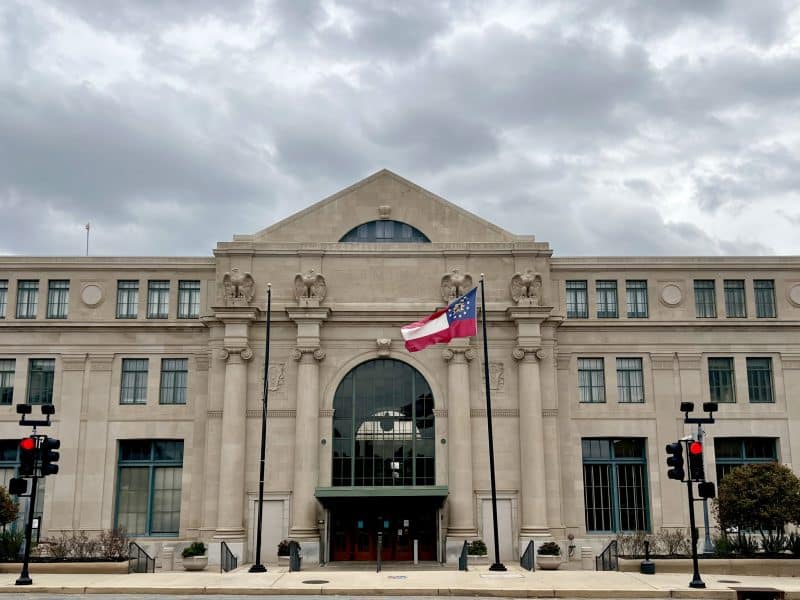
All aboard? GDOT asks residents to weigh in on restoring passenger train service to Macon
The Georgia Department of Transportation is surveying the public through Aug. 6 to gauge interest in Atlanta-to-Savannah rail service that could include a stop in Macon.
Are corporate investors responsible for one-third of all housing sales since 2020?
Learn the answer to this question in the fact brief in partnership with Gigafact.
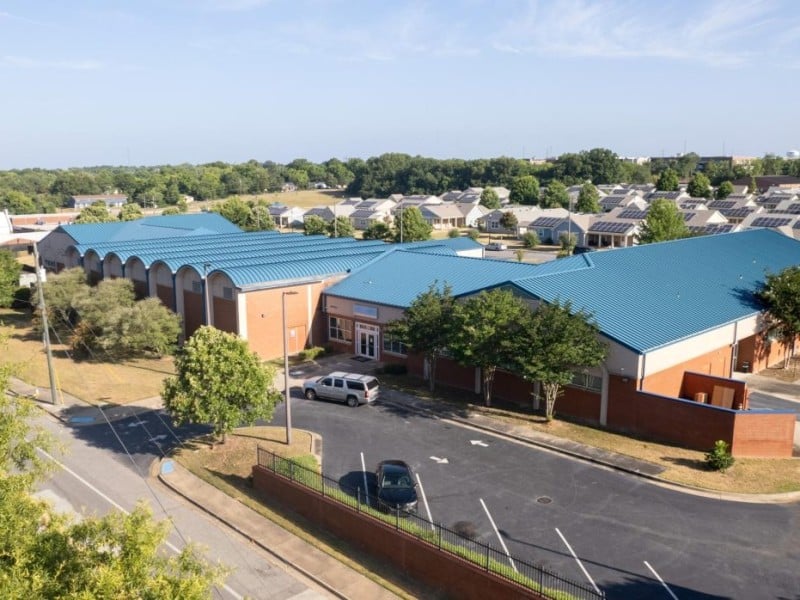
Macon’s Boys and Girls Club closed for 90 days, families search for alternatives
The club had many after-school programs that are now on hold.