
From planting to panic: Spring is here — what’s next for your garden?
Once your seedlings or seeds are in the ground, your role shifts from planter to caretaker.
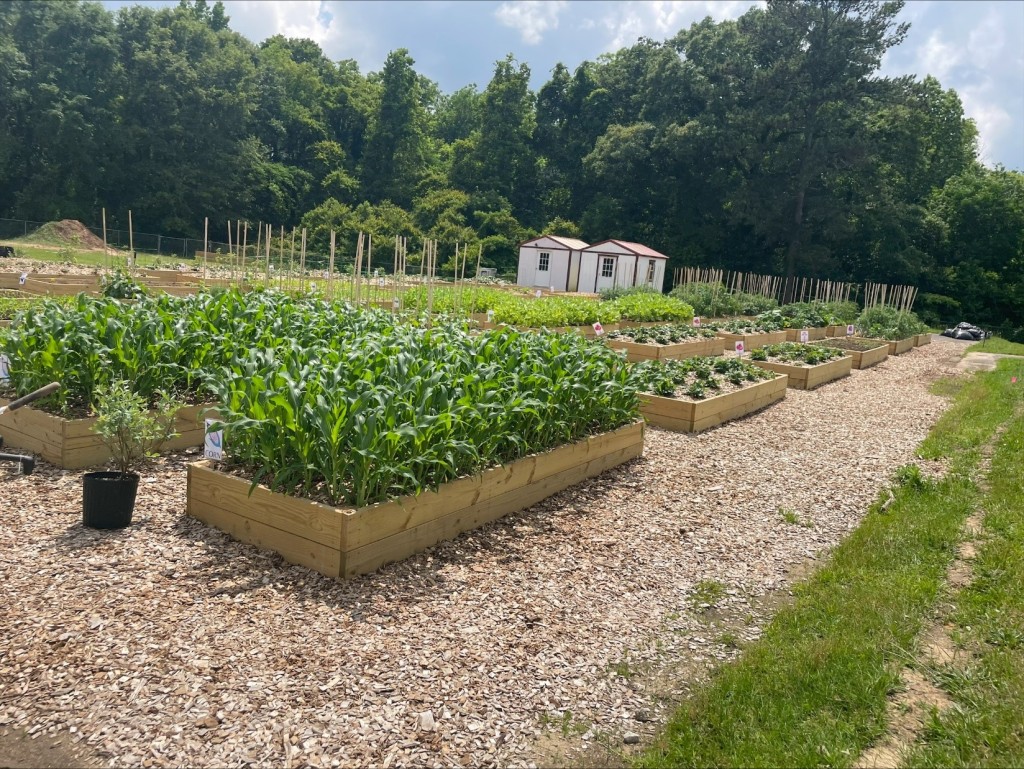
It’s spring! Finally! Planting your vegetable garden is the exciting beginning — but what comes next really determines your success. A thriving garden doesn’t happen by accident; it comes from consistent TLC, patience, and some trial and error. Once your seedlings or seeds are in the ground, your role shifts from planter to caretaker. Here are some essential post-planting tasks to help create a healthy, productive garden.
Watering
Proper watering is the most critical step after planting. Young plants and newly sown seeds need consistent moisture to establish strong roots. The goal is to keep the soil evenly moist — not soggy, but never completely dry. Early morning is the best time to water, as it allows plants to absorb moisture before the heat of the day and reduces the risk of fungal diseases. Deep watering a few times a week is better than frequent, shallow watering, as it encourages roots to grow deeper into the soil. Pay attention to weather conditions — hot, dry days will require more frequent watering, while rainy periods may allow you to skip it a day or so. Check your soil; stick your finger down into the soil about 2 inches. If it’s moist, you can wait. If it’s dry, water deeply.
Fertilizing
After the initial planting, your vegetables will soon begin to exhaust the nutrients in the soil and get hungry. Fertilizing helps replenish those nutrients and supports strong growth. Start with a balanced fertilizer once your plants are established, typically a couple of weeks after planting. Leafy greens benefit from nitrogen-rich fertilizers, while fruiting plants like tomatoes and peppers need more phosphorus and potassium as they mature. Always read your directions on the fertilizer. Too much is NOT a good thing. Be careful not to over-fertilize, as this can lead to excessive leaf growth at the expense of fruits or even damage your plants. No one wants a big, lush tomato plant with two tomatoes.
Weeding
Weeds are more than just an annoyance — they compete for water, nutrients and sunlight. Removing weeds early and often is key to keeping your garden productive. Small weeds are much easier to pull than large, established ones, so make weeding a regular habit. Mulching around your plants can reduce weed growth while also helping the soil retain moisture.
Pruning
Pruning helps with airflow, prevents disease and encourages better production but it also requires a leap of faith. Remove too little, and your plant becomes an overcrowded mess. Remove too much, and you’ll apologize to it for the next week or so. Never remove more than 25% growth, paying particular attention to leaves laying on or touching the soil.
Harvesting at the right time
Knowing when to harvest is just as important as growing the plants themselves. Picking vegetables at their peak ensures the best flavor, texture and nutritional value. Harvesting regularly also encourages many plants to continue producing. For example, picking beans, zucchini and peppers frequently will signal the plant to keep flowering and setting fruit. On the other hand, leaving produce on the plant too long can lead to tough textures or reduced productivity. Keep an eye on size, color and firmness, and don’t be afraid to harvest a little early — many vegetables are at their sweetest when young.
Taking care of your vegetable garden after planting is an ongoing process, but it’s also one of the most rewarding parts of gardening. With consistent watering, proper feeding, regular weeding, adding compost and timely harvesting, your garden will flourish — and so will your yield.
Susan Fisher is the garden manager at the Brookdale Gardens.
Before you go...
Thanks for reading The Macon Melody. We hope this article added to your day.
We are a nonprofit, local newsroom that connects you to the whole story of Macon-Bibb County. We live, work and play here. Our reporting illuminates and celebrates the people and events that make Middle Georgia unique.
If you appreciate what we do, please join the readers like you who help make our solution-focused journalism possible. Thank you
Related Articles
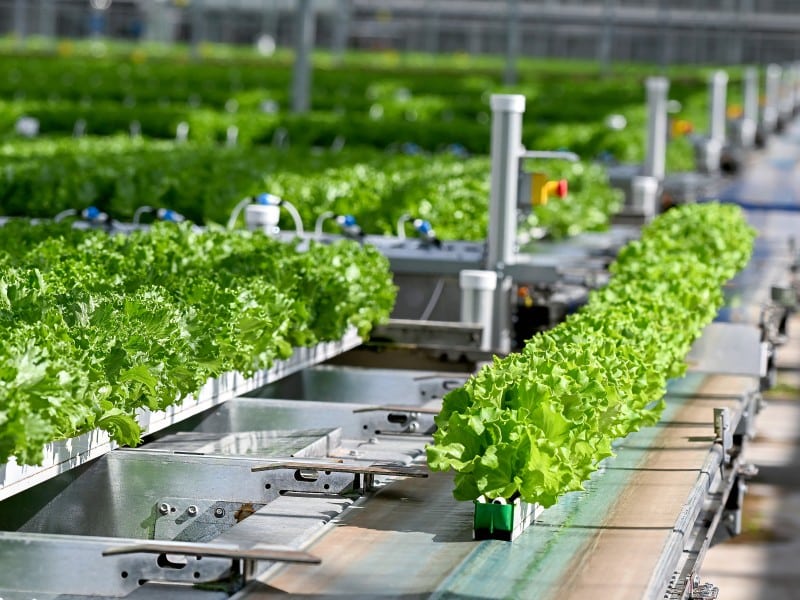
A unique Macon lettuce farm is competing in a statewide contest
BrightFarms, the Cox Farms-owned packaged salad supplier in Macon, recently earned a spot in the semifinals of the second annual Coolest Thing Made in Georgia competition.

Iconic Australian music group will wiggle its way to the Macon stage
The colorful — and for many, nostalgic — real-life musical group, The Wiggles, is set to perform at the Macon City Auditorium Aug. 15.

Eatery in former Len Berg’s location feeds new generation
At Len Berg’s Restaurant, generations of Macon families gathered over fried chicken, homemade peach ice cream and enough memories to fill a cookbook. Now another chapter is being written inside those familiar walls.