
‘He made them proud of where they lived.’ How Phil Walden and the Allman Brothers Band helped elect Jimmy Carter
Jimmy Carter’s Georgia legacy is anchored in his hometown of Plains, but his path to the White House included an important stop in Macon.
When Jimmy Carter announced his presidential campaign in 1974, the Georgia governor was fairly unknown outside the Peach State. He was in desperate need of two things: public awareness and money.
Carter received both from Phil Walden, co-founder of Macon’s Capricorn Records, and the Allman Brothers Band.
Journalist and author Alan Paul has written two books about ABB — “One Way Out: The Inside History of the Allman Brothers Band” and “Brothers and Sisters: The Allman Brothers Band and the Album That Defined the 70s.” Paul told The Melody that Phil Walden played an instrumental role in what was a unique idea at the time: leveraging the cultural power of musicians to build political support.
“Carter took the music industry in Georgia seriously,” Paul said. “He came down to Macon and had a meeting with Phil in 1974. They got along really well. When Carter decided to run for president, it was sort of an obvious place for him to turn for support, and Phil was all in.”
Carter won Gregg Allman over as well in 1974. Invited to an event for Bob Dylan and The Band at the governor’s mansion, Allman showed up late but was invited inside, where Carter quoted some of Allman’s lyrics and listened to an Elmore James record with him. Carter also visited Capricorn Studios when ABB guitarist Dickey Betts was recording his album “Highway Call.”
“Gregg just liked Carter,” Paul said. “They had lived their lives feeling like they were outcasts from mainstream society. For a guy like the governor to come and hang out in Macon, that meant a lot to them.”
The Allman Brothers played a benefit concert for Carter on Nov. 25, 1975 at the civic center in Providence, Rhode Island. No one knows exactly how much money they raised, due in part to post-Watergate campaign finance regulations that limited the amount of money politicians could receive from individual donors. But the money, while needed, wasn’t the most important aspect of ABB’s support for Carter, Paul said.
“The money was insignificant compared to the attention it brought,” he said. “Jimmy Carter has this reputation of being this kind of nerdy guy who wore cardigans; a nuclear engineer and born-again Christian. His association with the coolest rock stars in the world didn’t hurt. The Allman Brothers’ support, along with Hunter S. Thompson, who got Rolling Stone magazine to get behind Carter, gave him credence among younger, hipper people. It raised his overall profile.”
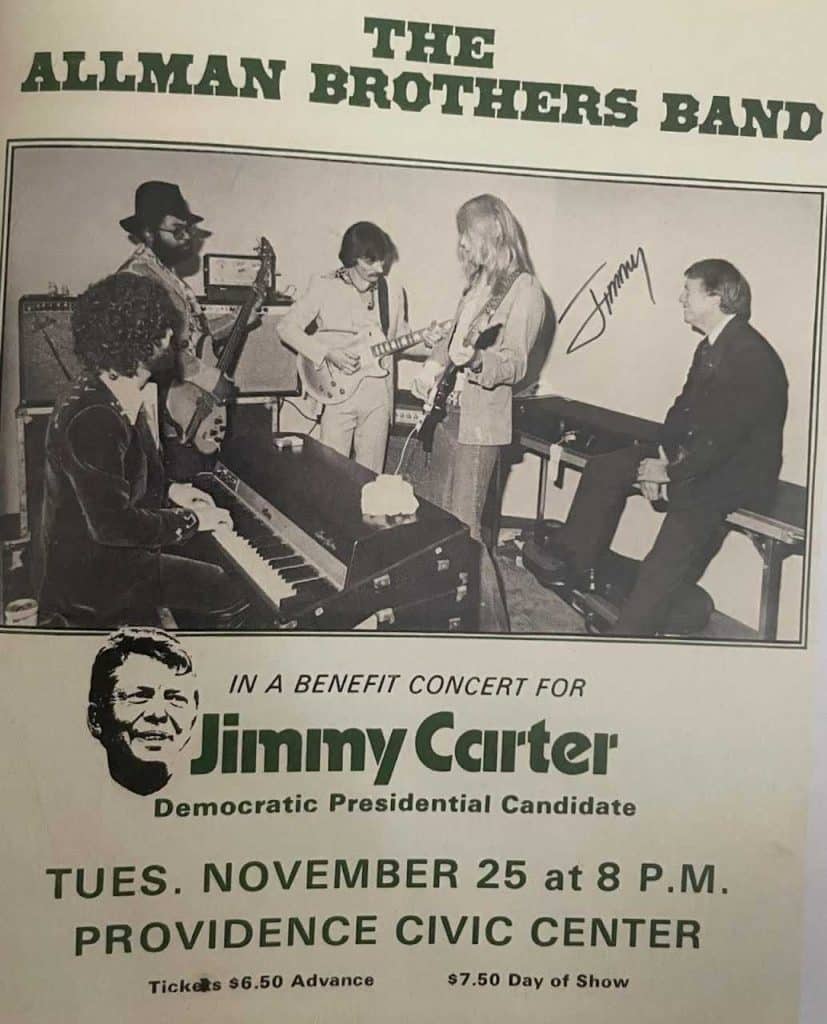
What drew Walden and ABB to Carter? His rise to power in Georgia in the early 1970s as a progressive Democrat juxtaposed him against his predecessors like Gov. Lester Maddox.
“Maddox was a racist who refused to integrate his own restaurant’s lunch counter, beating protestors with an axe handle,” Paul said. “Phil and ABB had, certainly for their time, progressive views regarding race. It really offended them, the way Maddox talked about Black people. Phil found it embarrassing when he traveled out of the South and people associated his accent with people like Maddox.
“They took great pride in Carter. For that type of modern Southern white man to have a national platform meant a lot to them. He was someone who made them proud of where they lived.”
Big House Museum historian John Lynskey noted that Carter’s friendship with Walden and the Allman Brothers Band was always “genuine.”
“The great thing about Jimmy Carter is he would wear an ABB concert T-shirt on the campaign trail,” Lynskey said. “He referred to the Allman Brothers as his friends. He was proud of their relationship. They loved the fact that he was a fan of music, that he knew what he was talking about. He wasn’t just a politician.”
Carter recognized the instrumental nature of the Allman Brothers in his election and addressed graduates at Mercer University in 2016, where he also bestowed an honorary doctorate to Gregg Allman. Carter said that the band’s endorsement reassured voters that he “must be qualified to be President of the United States.”
Carter also served on Mercer’s board of trustees starting in 2012, and before that, passed funding for the university’s medical school during his term as Georgia’s governor.
“President Carter, as with every endeavor he pursued, was an active, engaged trustee,” Mercer President William Underwood said. “Until his health began to decline in 2019, he never missed a board meeting. He asked tough questions, offered keen insights, and took every opportunity to advance Mercer and its mission. He offered wise counsel to me and was a good friend.”
Before you go...
Thanks for reading The Macon Melody. We hope this article added to your day.
We are a nonprofit, local newsroom that connects you to the whole story of Macon-Bibb County. We live, work and play here. Our reporting illuminates and celebrates the people and events that make Middle Georgia unique.
If you appreciate what we do, please join the readers like you who help make our solution-focused journalism possible. Thank you
Authors


Related Articles
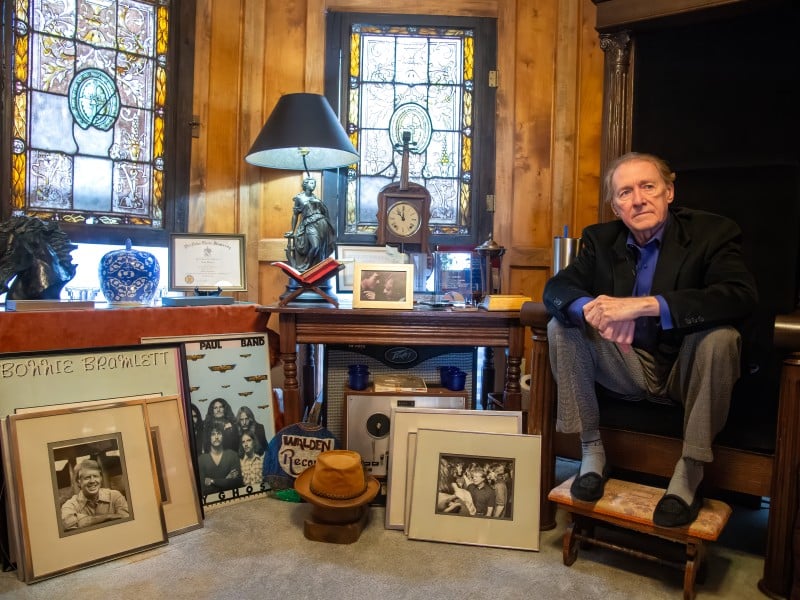
Remembering Alan Walden, who helped shape Macon’s music legacy
Alan Walden, who helped shape Macon’s music history, died Thursday at age 83.
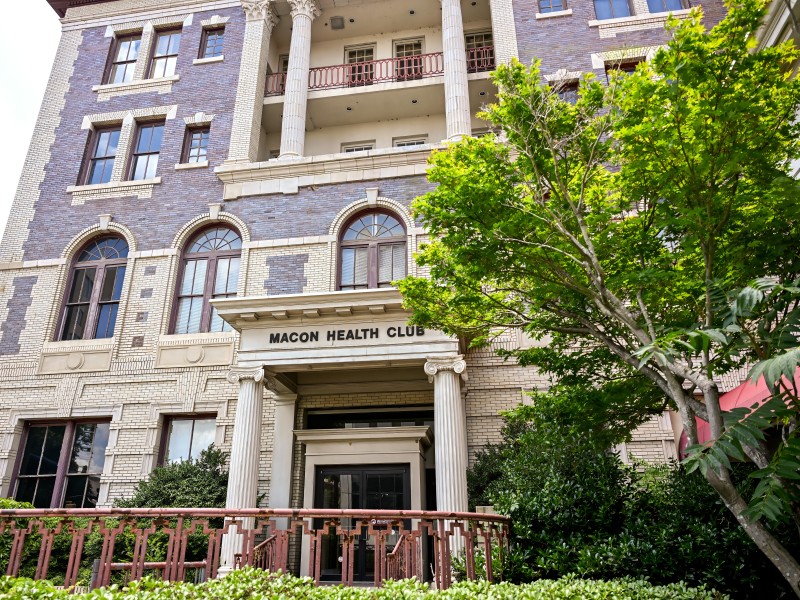
Atlanta development firm to pitch business plan for old Macon Health Club
Plans for the long-vacant building include a boutique hotel, a private dinner club, a health club plus a restaurant and bar open to the public.

The Macon Telegraph acquired by Georgia Trust for Local News. Melody and Telegraph to merge
Current subscribers to The Macon Melody will become subscribers to The Telegraph, which has served Macon for 200 years.