
Cherry-picked advice for Macon’s famous trees
Cherry blossoms are widely admired for their beauty, but keeping these trees healthy requires proper care.
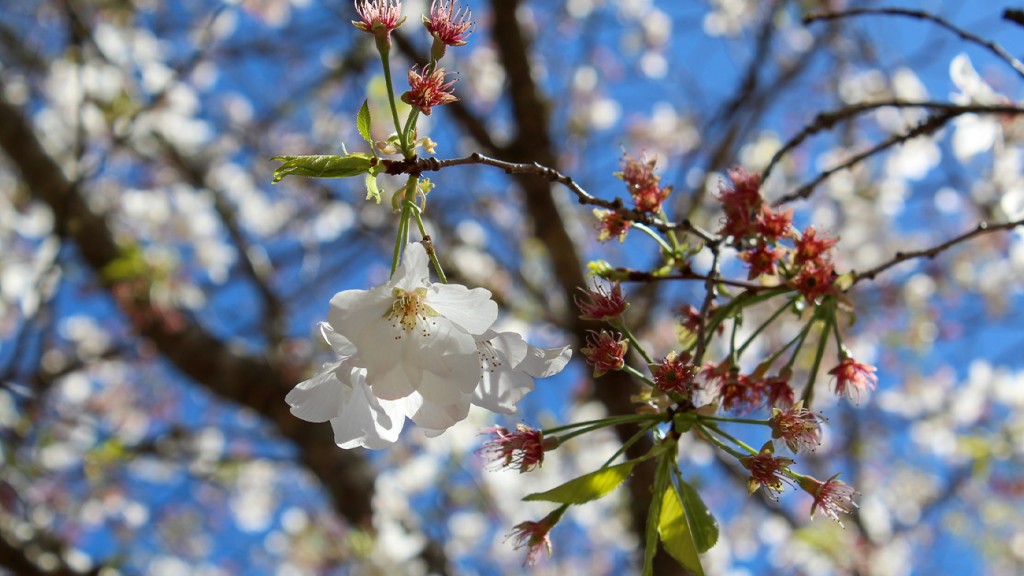
Each spring, thousands of flowering cherry trees burst into bloom across Macon, creating one of the region’s most recognizable signs that the season has arrived.
Over the years, these ornamental trees have become a defining part of the city’s landscape and heritage.
While cherry blossoms are widely admired for their beauty, keeping these trees healthy requires proper care and an awareness of the diseases and pests that commonly affect them in Middle Georgia.
Even Macon’s most famous springtime stars need a little behind-the-scenes care to keep the show going.
Flowering cherry trees grow well in Georgia’s climate but can be sensitive to stress from heat, humidity and poor soil conditions. Providing good care and recognizing early signs of problems can help these trees remain healthy and vibrant for years to come.
A healthy cherry tree begins with proper planting and maintenance. Ornamental cherries prefer full sun and well-drained soil. Good air circulation around the canopy helps reduce excess moisture that can encourage disease development. Applying mulch around the base of the tree can help retain soil moisture and regulate soil temperature, but mulch should be kept a few inches away from the trunk to prevent decay.
Light pruning to remove dead or crossing branches can also improve airflow and overall tree structure.
One common issue seen on ornamental cherry trees is shot hole disease, which appears as small, round holes scattered across leaves after infected tissue dies and falls away. The disease is caused by fungal or bacterial pathogens that thrive in warm, wet spring conditions common in Georgia.
While it rarely kills trees, severe infections can lead to early leaf drop and reduced ornamental value. Good sanitation, such as removing fallen leaves and debris around the tree, can help limit the spread.
Cherry trees may also be affected by black knot, a fungal disease that causes rough, black swellings on branches and twigs. These knots can restrict the flow of water and nutrients. Infected branches should be pruned several inches below the knot and destroyed to prevent further spread.
Insects such as borers can also threaten cherry trees. Borer larvae tunnel beneath the bark and feed on internal tissues, weakening branches and sometimes causing dieback. These pests are more likely to attack trees that are already stressed due to drought, injury or poor growing conditions, making proper watering, mulching and overall tree care important for maintaining tree health and preventing infestations.
Although flowering cherry trees tend to have shorter lifespans than many other landscape trees, proper care can help extend their longevity and preserve their beauty. Regular monitoring, proper cleanup of plant debris and maintaining overall tree health are important steps in preventing many common problems.
Cherry blossom trees are an integral part of Macon’s identity and springtime celebration.
With thoughtful care and attention, homeowners and communities can help preserve these beloved trees for future generations to enjoy — so Macon’s famous springtime “pink confetti” continues to fall for many years to come.
Morgan Durden works for the University of Georgia Cooperative Extension Service in Bibb County. The county office provides resources for gardeners as well as educational services and community support. Visit their office at 715 Oglethorpe Street, call them at 748-310-5350 or email their staff at bibb.extension@uga.edu.
Before you go...
Thanks for reading The Macon Melody. We hope this article added to your day.
We are a nonprofit, local newsroom that connects you to the whole story of Macon-Bibb County. We live, work and play here. Our reporting illuminates and celebrates the people and events that make Middle Georgia unique.
If you appreciate what we do, please join the readers like you who help make our solution-focused journalism possible. Thank you
Related Articles

Follow the food: A Cherry Blossom Festival dining guide
There’s many great places to grab a bite in Macon. Plan your Cherry Blossom Festival food stops with recommendations from The Melody’s food reviewer.
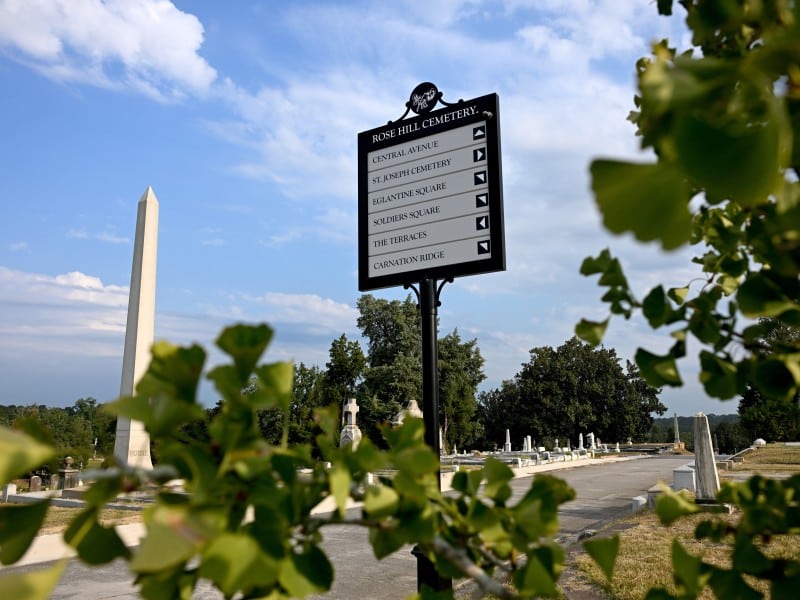
Rose Hill Rambles return for festival
During this year’s Cherry Blossom festival, the Historic Macon Foundation will sponsor three Rose Hill Rambles: one on March 21, one on March 25 and one on March 27.
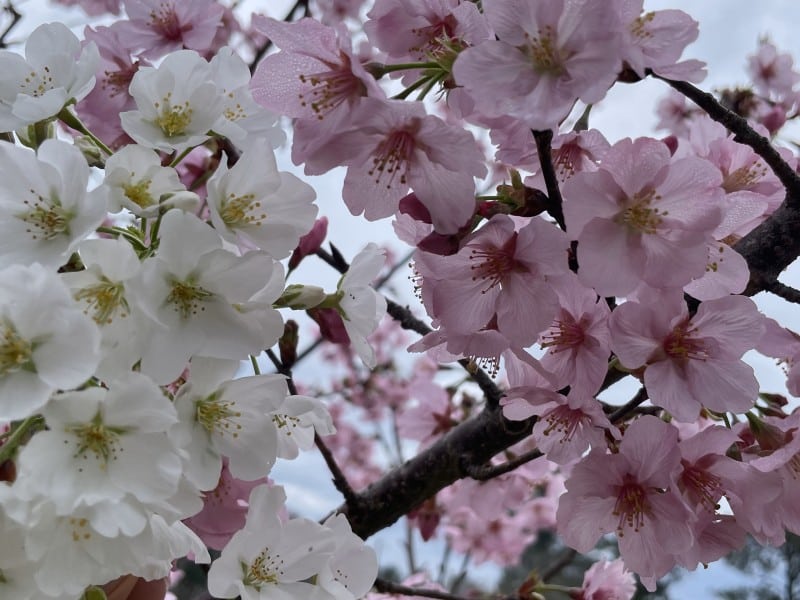
Ask a Local: Your Guide to the Cherry Blossom Festival
The Macon Melody spoke with members of the community about their favorite Cherry Blossom moments. This is your guide to the festival.