
Data centers drive Georgia’s digital gold rush
Georgia may be a leading state in the race to develop new hyperscale data centers as artificial intelligence, cloud services and cryptocurrency are on the rise.
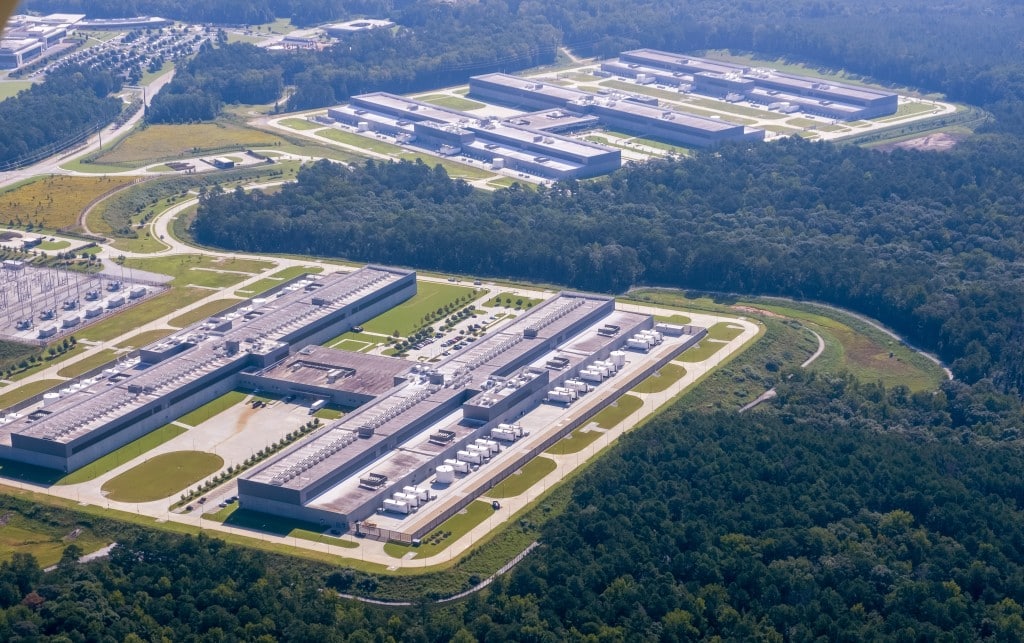
A new “gold rush” is on in the U.S., experts say, and the Peach State is at the top of the mining efforts.
This time, the mines are rural land — areas that are ripe for the development of data centers. These vast warehouses, which store everything from emails, digital photos and Netflix hits, are needed in this digital age and especially as the popularity of artificial intelligence services increase, said Kembley Lingelbach, an information systems security professor at Middle Georgia State University in Macon.
Property developers are on the hunt for “gold” — fresh acreage — across the nation, she said, a prospect that excites officials hungry for economic development wins. On the other hand, some residents — horrified after hearing tales of environmental woes linked to these operations — shiver at the thought of data centers.
Lingelbach said warehouses storing electronic data aren’t a new innovation, but they’re receiving more attention due to ramped-up building efforts. Companies once housed data in on-premise server rooms, she said, but consolidated data storage — a centralized location for multiple data sources — became the norm as organizations moved to cloud-based storage.
The professor, who worked in a data center at Robins Air Force Base in Houston County for 30 years, said cloud-based storage isn’t somewhere high above our heads; rather, it’s located in data centers like the one recently pitched in Twiggs County. In September, officials there approved rezoning nearly 300 acres of land for such a center. Eagle Rock Partners, based in North Carolina, is the project’s developer.
The data center, which comes with a multibillion-dollar price tag, will be built in the county’s Dry Branch community. Representatives from the developer — and the county — have promised the project will bring 600 jobs to the rural area, but residents are skeptical of the center’s promised benefits, higher electricity bills and environmental impacts, a subsequent loss of farmland, and the county government’s perceived rush to approve the build.
The environmental concerns can be traced to stories coming from areas like Mansfield, Georgia, located in the northcentral portion of the state. Meta, the social media giant, is building a massive data center there, and construction site neighbors have complained of adverse effects like murky well water.
Mansfield resident Beverly Morris said in a BBC interview that she is afraid of drinking her water since the Meta project started construction. Meta, for its part, commissioned a study to check if construction had caused groundwater contamination. The study said the construction had caused no adverse effects to the area’s water.
After Twiggs County officials approved that data center project, some county residents — including Lingelbach — banded together and sued the commission. Their lawsuit alleges that county officials failed to follow their own rezoning procedures while also skipping out on a state survey of the center’s multi-county impact.
Lingelbach said technological innovations — recent AI advancements, the growth of cloud storage services and the rise of cryptocurrency, a form of decentralized virtual money — are behind the push to develop “hyperscale” data centers, or warehouses that are massive in size, efficient in scope and have mostly automated operations.
She said she knows these innovations require support — including infrastructure to power them — but added that regulation of those bases are needed.
“You don’t want to lock things down so that you can’t be innovative, but you do have to regulate them,” she said.
Balancing innovation and impact
To develop those regulations, policymakers need to zoom out and look at the long-term impacts of data centers, said Adaline Buerck, an assistant professor of environmental engineering at Mercer University in Macon.
She said she teaches her students about the triple bottom line, a business framework that measures impacts in three areas — people, planet and prosperity. In her opinion, sustainable developments should enhance the social, environmental and economic aspects of a community.
Buerck said local officials should press data center developers on sustainability details. Policymakers need to know where developers plan to build and why they picked that location, if they choose to use abandoned buildings or occupy green spaces, the proximity of the project to other buildings, and what types of energy will power the data center, she said.
If officials fail to ask those questions — or take the answers seriously — Buerck warned new data centers could upset the balance between a community’s social, environmental and economic well-being.
Billions invested, benefits close to home
The economic benefits associated with new data centers outweigh possible negative impacts, said Chris Clark, CEO of the Georgia Chamber of Commerce.
The head of the state’s economic development agency said data center companies invested $40 billion in the state in 2025, making Georgia the nation’s No. 2 destination for data center investment, behind Virginia.
He predicts the Peach State will remain as one of the nation’s Top 5 data center host states.
“These data centers wouldn’t be here if there wasn’t consumer demand,” he said.
Clark said that, if Georgians and Americans in general turn away data centers, they will have to rely on overseas operations. He said data centers are “not huge job creators,” but they do generate some high-paying jobs in fields like engineering while also boosting property tax revenues.
He said he believes data centers have minimal impacts on roads and bridges — especially when compared to an industrial site or shopping center — and that concerns about rising electricity bills have been addressed.
Clark said officials have made it clear that data centers must shoulder their own energy bills, which is another concern aired by residents throughout the state.
“They have to pay their own way now in Georgia. That’s a very, very important point that seems to get lost out there,” he said.
He predicts other concerns — including environmental impacts — will lessen as data center developers become better stewards of their resources and more involved community partners.
Joshua Wilson contributed to this report. Wilson and reporter Evelyn Davidson are employees of the Georgia Trust for Local News. This report was originally published in the Georgia Trust’s Macon publication, The Macon Melody.
Editor’s note: Professor Kembley Lingelbach, who is among the plaintiffs in a lawsuit against Twiggs County related to the proposed data center, was interviewed for this story only to provide regional context and background on data center operations. She had no editorial role or influence in this publication’s reporting on the lawsuit.
Before you go...
Thanks for reading The Macon Melody. We hope this article added to your day.
We are a nonprofit, local newsroom that connects you to the whole story of Macon-Bibb County. We live, work and play here. Our reporting illuminates and celebrates the people and events that make Middle Georgia unique.
If you appreciate what we do, please join the readers like you who help make our solution-focused journalism possible. Thank you
Author

Related Articles
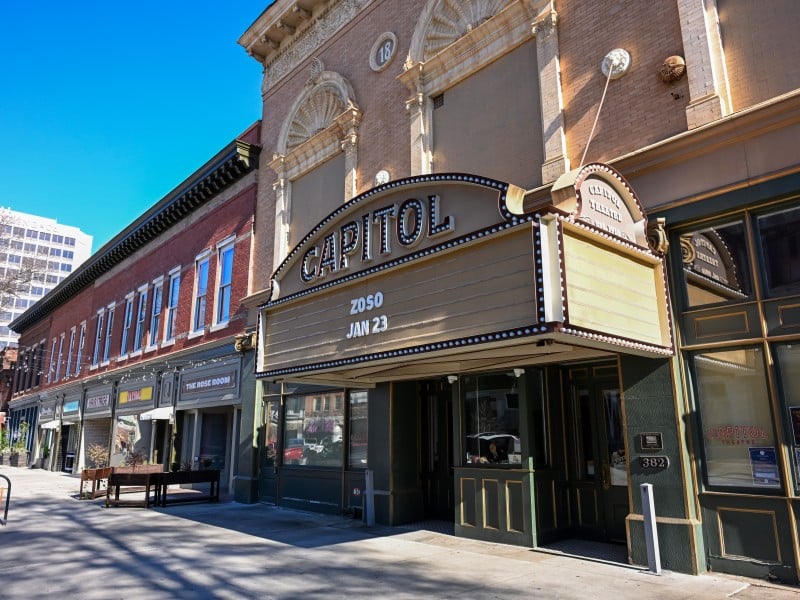
Mercer assumes ownership of 129-year-old downtown theatre
Mercer University bought the Capitol Theatre. Robins Federal Credit Union is the multi-year naming sponsor.
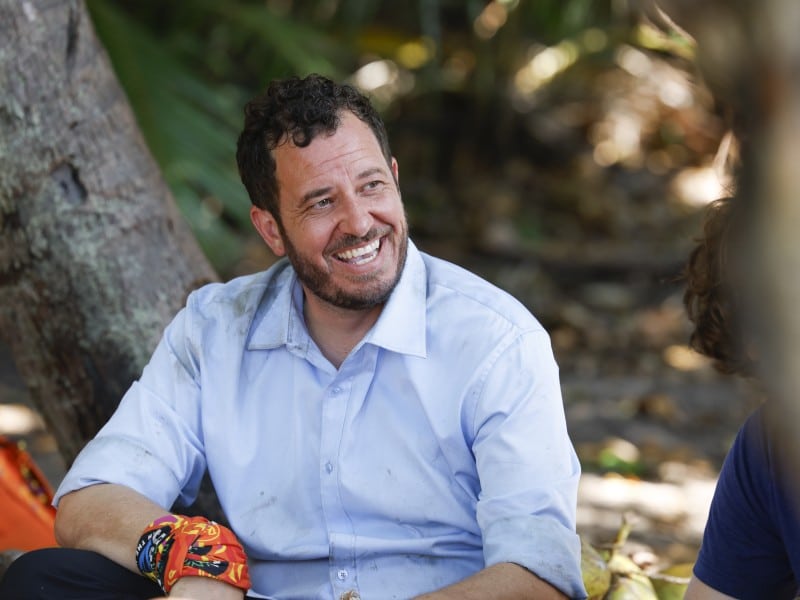
‘Survivor’ veteran Rick Devens of Macon returns for Season 50
Macon resident Rick Devens returns to “Survivor” this season. Devens, most known on the show for his passion and energy, promises the same hijinks and unpredictability that won the hearts of so many fans the first time he played.

The Macon Melody adds community reporter as newsroom grows
Alaysia Ezzard joins The Macon Melody newsroom.