
How birds weather winter in Middle Georgia
Learn how Middle Georgia birds survive the cold winters and how you can help them through it.
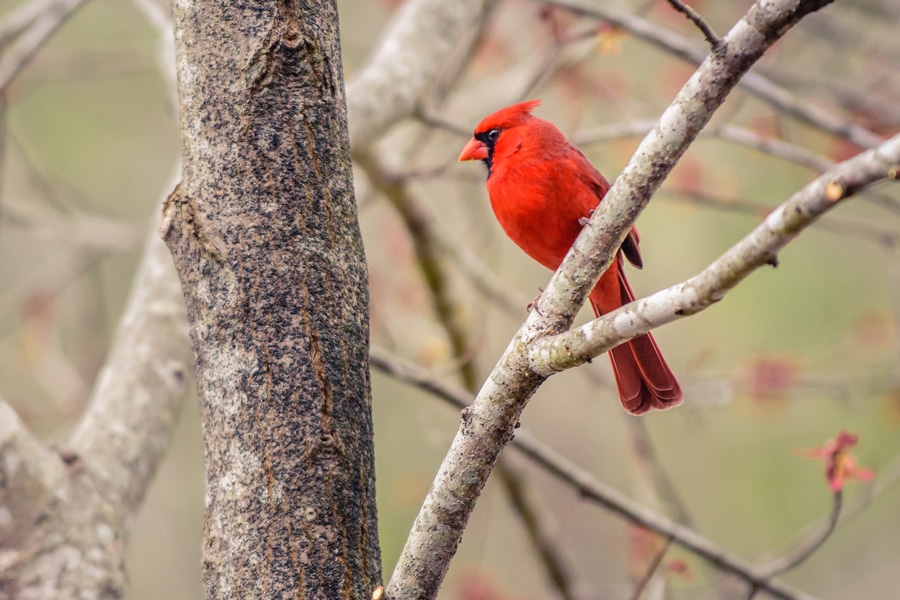
Winter in Middle Georgia never truly arrives with blizzards and frozen temperatures, but our native birds still feel the seasonal shift. Shorter days and cooler temperatures prompt behavioral changes that help birds conserve energy, find food and survive until spring.
While some species migrate south, many familiar backyard birds stay put and simply ‘feather’ the storm. Understanding these winter behaviors can deepen our appreciation for the birds we see year-round and help us support them during the coldest months.
Staying put vs. taking flight
Not all birds head south for the winter. Species such as Northern Cardinals, Carolina Wrens, Blue Jays, Chickadees, Tufted Titmice and Mourning Doves are year-round Middle Georgia residents. Rather than migrating, these birds adapt by changing how they forage, roost and interact.
There are some species of birds that do pass through or overwinter here, such as Yellow-rumped Warblers, White-throated Sparrows and Eastern Phoebes. They take advantage of Georgia’s comparatively mild winters. For these birds, Middle Georgia becomes a seasonal sweet spot, where cooler temperatures ease competition without cutting off vital food supplies.
Colder weather, warmer feathers
Birds don’t grow thicker coats during the winter, but they do fluff their feathers to trap warm air close to their bodies. This simple insulation trick is why birds often look rounder on cold mornings. Beneath the feathers, a high-metabolism engine burns fuel rapidly, turning winter into a season when energy efficiency is everything.
Many birds conserve heat by roosting together at night. Carolina Wrens are especially known for piling into nest boxes or thick shrubs, sharing body warmth in close quarters — proof that in winter, birds of a feather stick together.
Surviving on seeds and suet
Winter is lean season for insects, so birds shift their diets accordingly. Insect-eaters broaden their menus to include seeds, berries and even suet. Native plants like beautyberry, holly and dogwood become vital food sources, offering natural fuel when insects are scarce.
Some birds prepare ahead of winter. Blue Jays and Chickadees cache food, hiding seeds in bark crevices or leaf litter to retrieve later. Their strong spatial memory allows them to remember numerous hiding places, highlighting the impressive cognitive abilities of these familiar backyard birds.
Backyard feeders can help supplement natural food, especially during prolonged cold snaps. High-fat foods like sunflower seeds, peanuts and suet offer the dense calories birds need to stay warm and energized during winter.
Lending a wing in winter
Supporting native birds doesn’t require fancy gear or major effort. Small steps can make a big difference:
— Keep feeders clean and stocked during cold weather.
— Provide fresh water, especially during freezing conditions.
— Leave seed heads, leaf litter and native shrubs in place.
— Avoid excessive winter pruning that removes natural shelter.
By offering reliable food, water and cover, you help birds conserve energy and stay healthy until warmer days return.
Winter may seem quiet, but it offers plenty to observe for those who take the time to look. From feathers puffed against the morning chill to flocks weaving through bare branches, native birds reveal a season defined not by stillness, but by resilience.
Morgan Durden is the Administrative Assistant for Bibb Extension. In her spare time she enjoys writing and learning about wildlife.
Before you go...
Thanks for reading The Macon Melody. We hope this article added to your day.
We are a nonprofit, local newsroom that connects you to the whole story of Macon-Bibb County. We live, work and play here. Our reporting illuminates and celebrates the people and events that make Middle Georgia unique.
If you appreciate what we do, please join the readers like you who help make our solution-focused journalism possible. Thank you
Related Articles
A spotlight on what’s to come for local theaters
Local community theater leaders reflect on 2025 and discuss upcoming productions.

Grey Goose Players Club: A reliable, beloved Macon fixture
Melody food columnist Billy Hennessey writes that Grey Goose Players Club isn’t flashy or trendy, instead it carries a long history and a loyal following.
How to ensure your amaryllis lasts more than a season
With proper care, amaryllis can thrive for decades, blooming year after year.