
How to ensure your amaryllis lasts more than a season
With proper care, amaryllis can thrive for decades, blooming year after year.
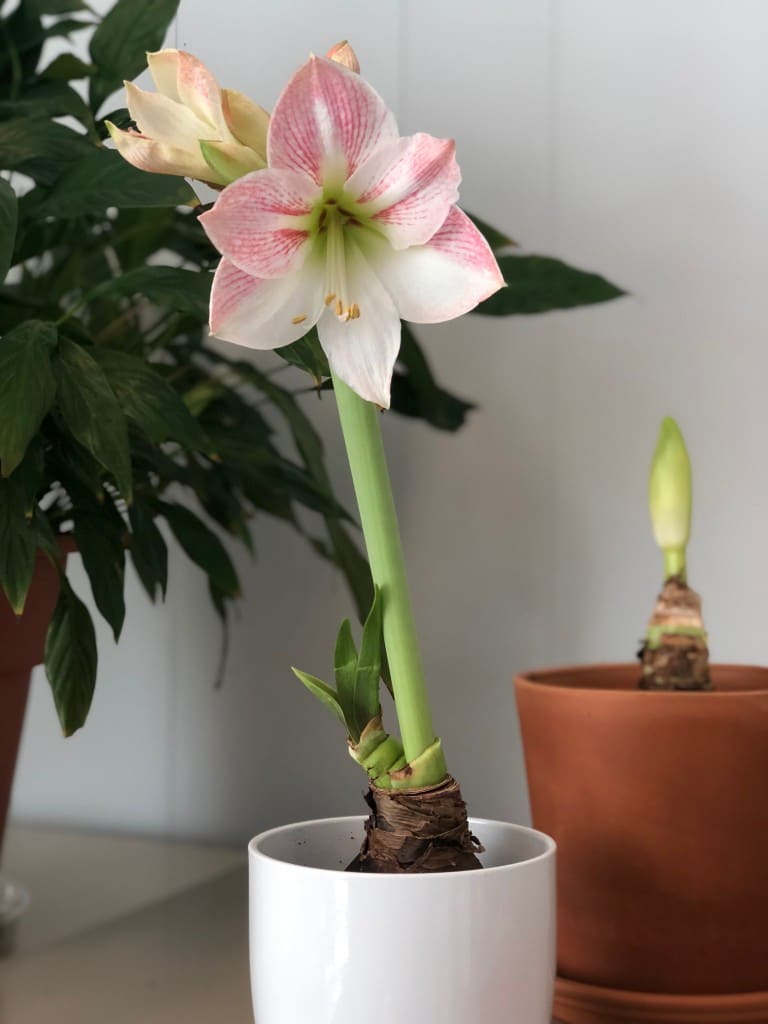
When the last amaryllis flower fades, many people assume the plant’s job is done. It isn’t. With proper care, amaryllis can thrive for decades, blooming year after year. One bulb that my mother planted more than 20 years ago still rewards me with late-summer flowers, surrounded by others that have quietly naturalized in the garden.
The secret to long-term success lies beneath the soil. Amaryllis grow from bulbs, which act as energy reservoirs. Each bulb is made of layered scales packed with stored food that fuels leaf growth and flowering. The healthier and larger the bulb, the more dramatic the blooms. After flowering, the plant’s priority is to rebuild those reserves. Here’s how to help it do exactly that.
After the Holidays: What to Do Next
Begin by removing spent flowers as they fade. This prevents the plant from wasting energy on seed production. While amaryllis seeds can be saved, allowing seed pods to form weakens the bulb. I learned this firsthand after leaving a few blooms on too long and finding myself oddly reluctant to remove the small seed pods that followed.
Resist the urge to cut the flower stalk too soon. These thick, hollow stems can reach 1-2 feet tall and may hold multiple blooms. Wait until all flowers on the stalk have finished before trimming it back to about two inches above the bulb.
Once the stalk is removed and only leaves remain, assess the planting medium. Many holiday amaryllis are sold in compressed coir discs, which should be replaced with standard potting soil to support ongoing growth.
The leaves that emerge after flowering are not decorative extras. They are essential. Growing directly from the bulb, these long, narrow leaves produce food through photosynthesis, which is stored in the bulb for the next flowering cycle. Healthy leaves mean a recharged bulb and better blooms in the future.
Continue caring for amaryllis as you would a houseplant. Provide bright light, warmth, and regular water, but avoid soggy soil. Amaryllis dislike wet feet. Keep the soil lightly moist and fertilize periodically with a balanced houseplant fertilizer while the leaves are actively growing.
Moving Amaryllis Outdoors
When spring arrives and garden soil warms, amaryllis can be planted outdoors. A good rule of thumb is to wait until tomato transplants are ready for the garden. Before planting, harden the amaryllis off by gradually exposing it to outdoor conditions.
Once nighttime temperatures consistently stay above 50 degrees, choose a well-drained site with dappled sunlight. Plant the bulb with its top portion exposed above the soil. Water regularly, especially during Middle Georgia’s hot summers, and fertilize lightly. The plant may not bloom outdoors its first year, or it may bloom at an unexpected time, but once established, its summer flowering period becomes more predictable.
With just a little attention after the holidays, an amaryllis can become a long-lived garden companion rather than a one-season decoration. The reward is a plant that returns each year, carrying both blooms and memories forward.
Rosann Kent is a Master Gardener Extension Volunteer for Bibb County Extension.
Before you go...
Thanks for reading The Macon Melody. We hope this article added to your day.
We are a nonprofit, local newsroom that connects you to the whole story of Macon-Bibb County. We live, work and play here. Our reporting illuminates and celebrates the people and events that make Middle Georgia unique.
If you appreciate what we do, please join the readers like you who help make our solution-focused journalism possible. Thank you
Related Articles
Maconites ‘showed up’ to support this local BBQ spot
When the world shut down during the pandemic, this couple still found a way to feed their community. In return, Maconites “showed up” and continued to frequent Satterfield’s BBQ.
New exhibit spotlights cultural infusion, identity and the lives of visually impaired individuals
A new exhibit hosted by Wesleyan College Leadership Lab highlights the work of Atlanta photographer, Eley. Her art highlights global migration and the experience of individuals with visual impairments, while also speaking to the often omitted role of Black women in shaping America’s identity.
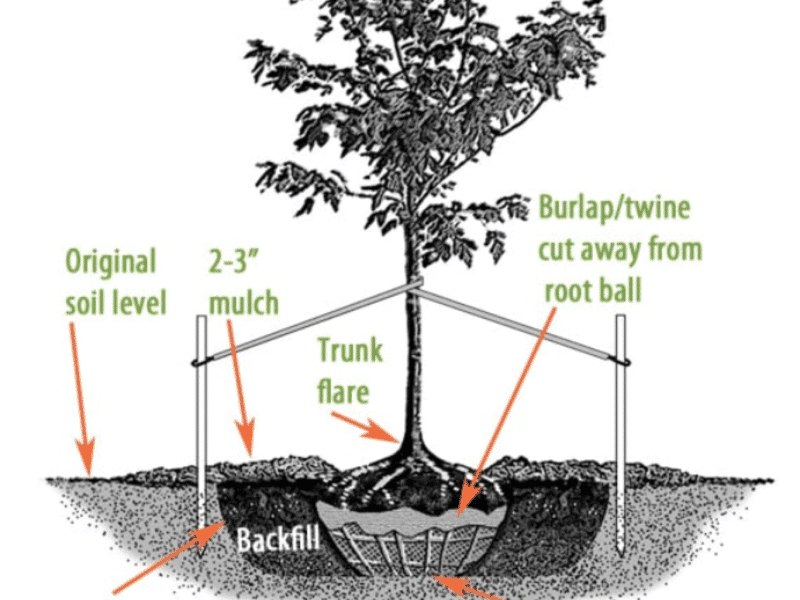
Now is the prime time for planting
Here’s some good planting practices from the volunteer master gardeners at the Bibb County Cooperative Extension.