
Money, trust woes stall Pleasant Hill housing effort
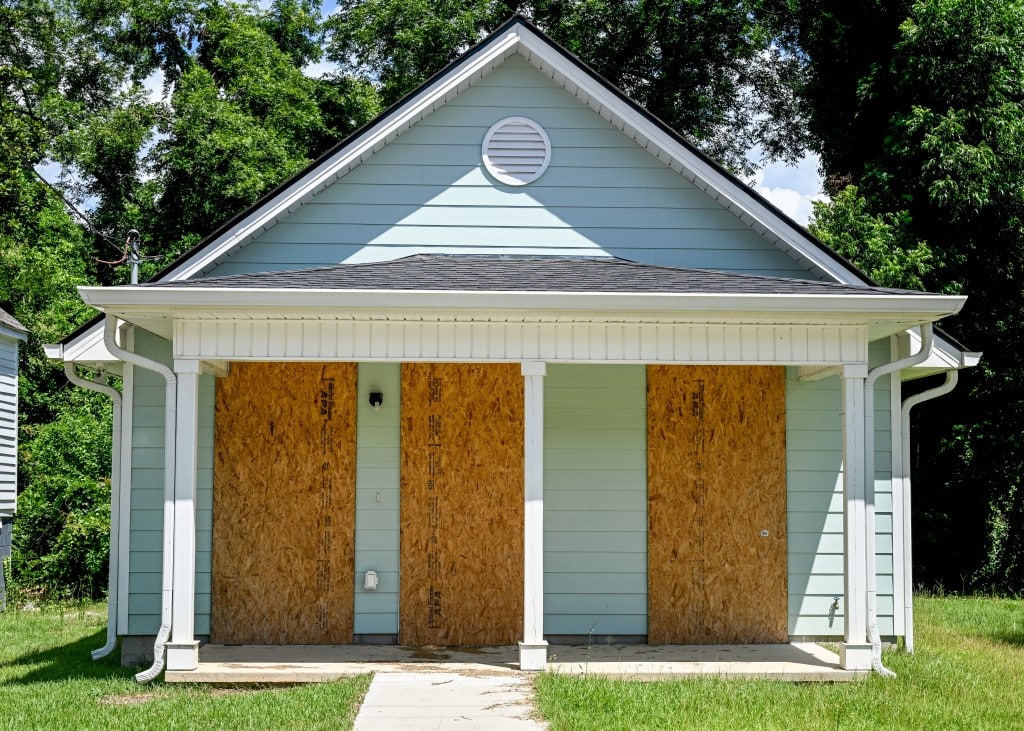
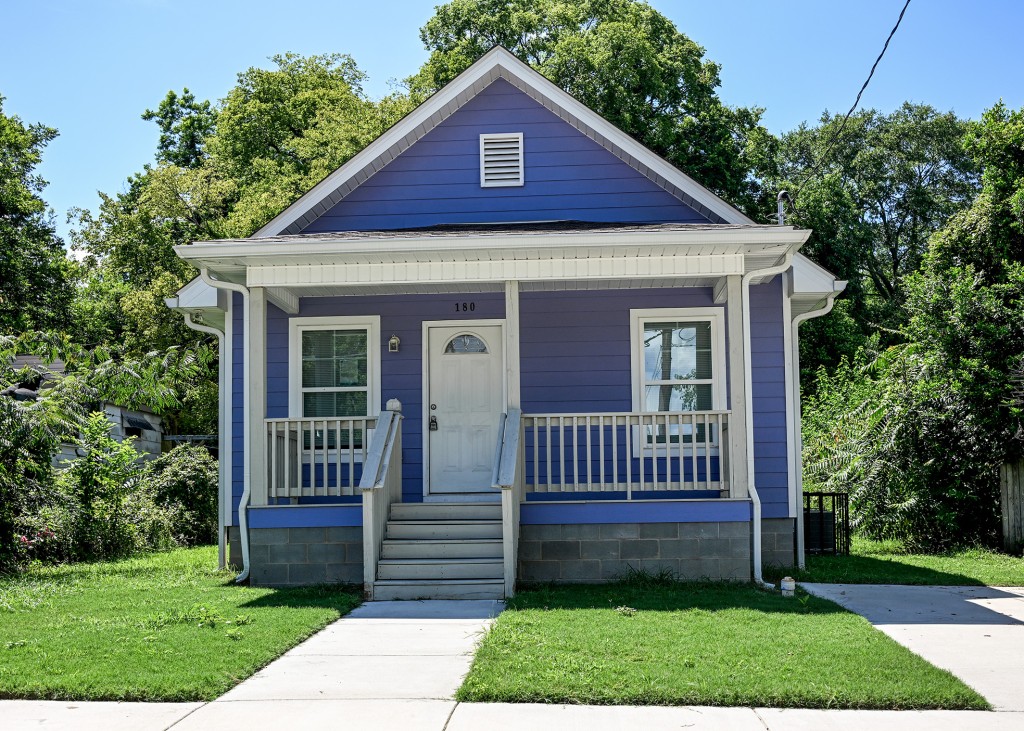
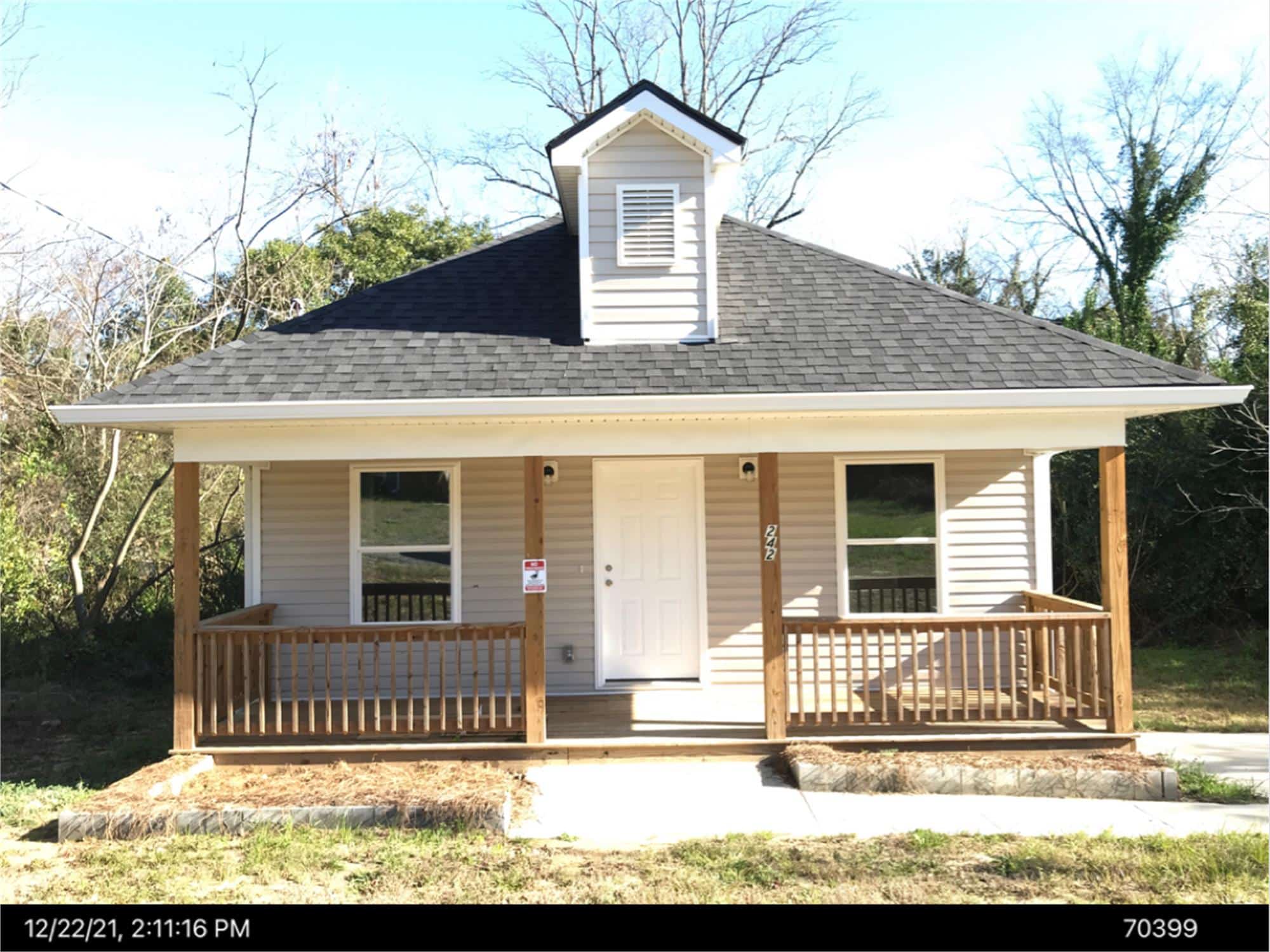
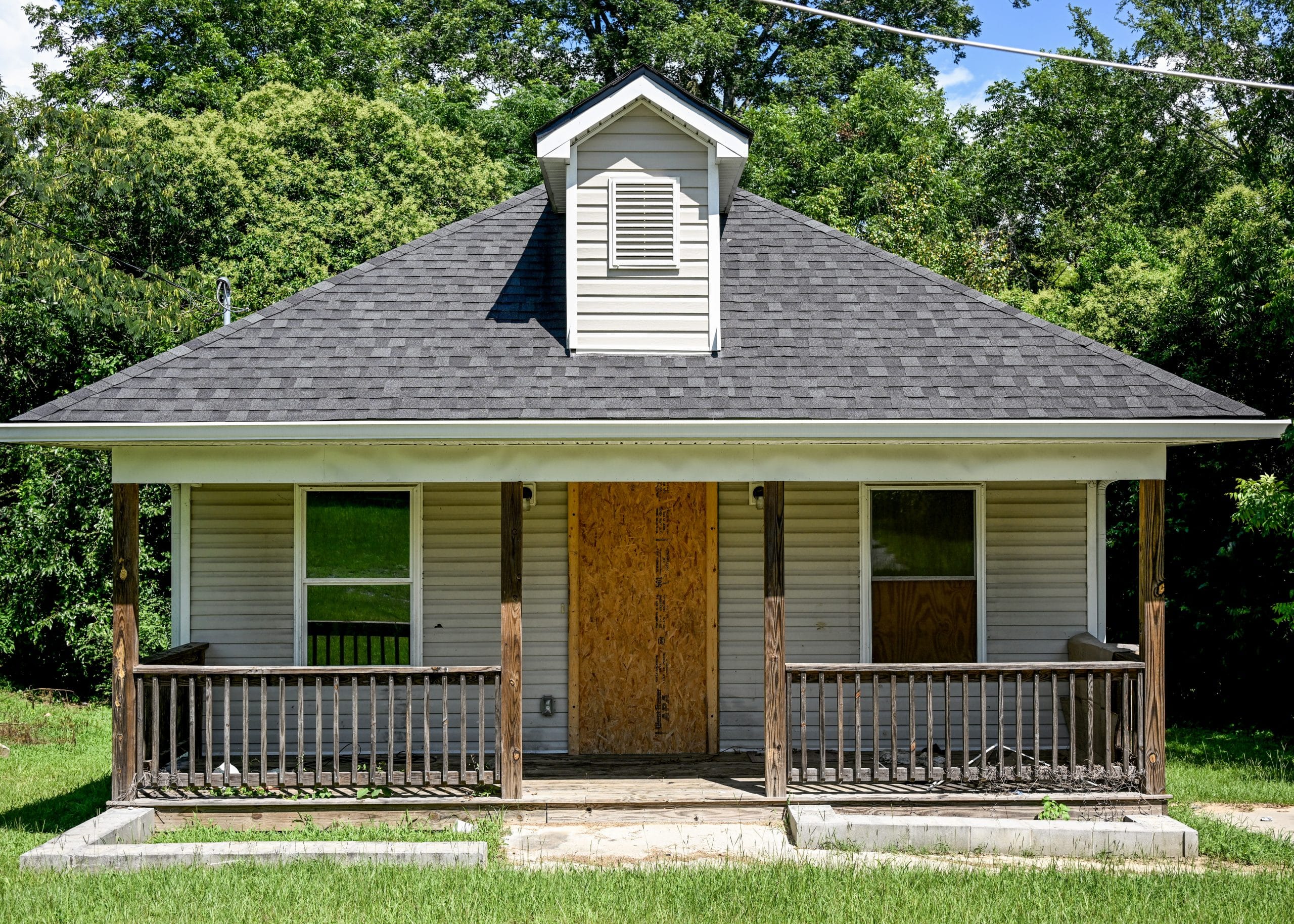
A local authority created to revitalize the historically Black neighborhood of Pleasant Hill owns 17 new or recently rehabilitated homes, several of which are boarded up and vacant only couple of years after being built or fixed.
A year after Macon-Bibb County severed ties with a local authority created to revitalize a historic Black neighborhood, the authority’s financial and leadership challenges have left the organization in a precarious position without a headquarters or executive director and with less than $100,000 in the bank.
The Macon-Bibb County Community Enhancement Authority, created in 2012 by former Macon state Rep. James Beverly, currently owns 17 houses in the historic Pleasant Hill neighborhood.
The authority received a $5.4 million contract from the Georgia Department of Transportation in 2016 requiring it to ensure 24 homes — 17 new, seven moved and rehabilitated — were made available for purchase to make up for the ones demolished to widen Interstate 75.
The contract was a piece of the larger Pleasant Hill Neighborhood Mitigation Plan, a deal that originated from neighborhood outrage over the state’s plan to make a further incursion into Pleasant Hill, which was devastated nearly a half century prior when a highway was built through two historic neighborhoods and cemeteries.
Neighborhood residents negotiated with the state beginning in the early 2000s, when GDOT announced plans to widen the interchange at Interstates 75 and 16.
The plan also included two new parks and a neighborhood resource center at one of Little Richard’s favorite boyhood homes, which was among a handful of houses that were relocated from the east to the west side of the neighborhood in 2017.
Over the course of nine years, the authority’s contract has been amended three times — and the state has paid $5,391,436.85 for work that remains unfinished. Additionally, in December 2023, Mayor Lester Miller cut ties with the authority board after it was unable to show how it spent county funding it received to operate the Little Richard House and Booker T. Washington Community Center.
The authority has operated without oversight since its creation, something that resulted in money being misplaced, a fact the current board acknowledges. Its third executive director left the job in November, so the board is handling administrative duties, including acting as a landlord for its six renters.
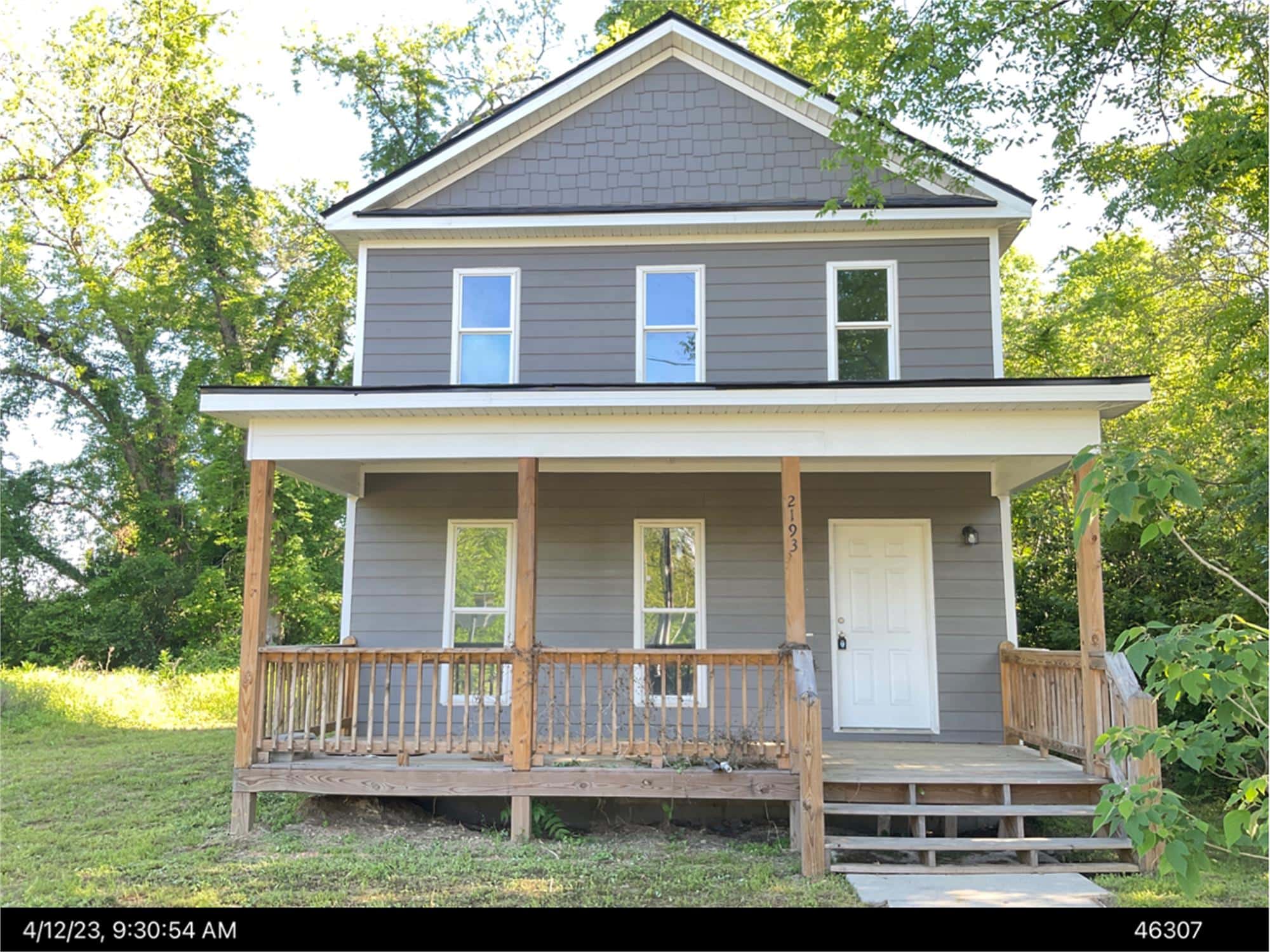
The organization has built 16 homes and moved and rehabbed seven — 23 of the 24 required homes. Six of the 23 were sold primarily to people or limited liability companies connected to the authority. Six others are being rented to tenants at a monthly rate between $1,050-1,250.
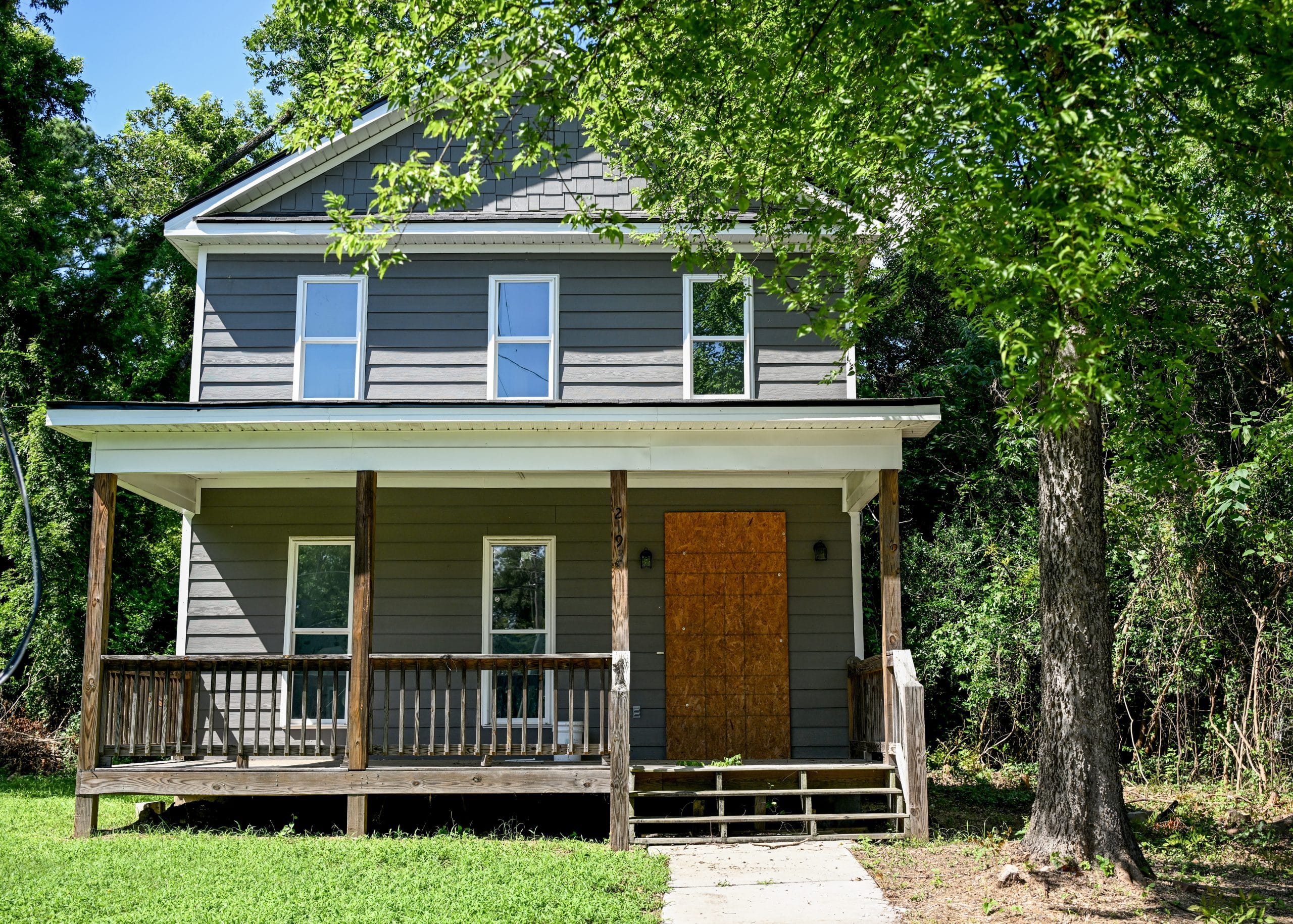
The authority has been actively trying to sell three of the homes since June. Two others are vacant and appear to be in good condition but are not listed for sale. One of the houses was built on property owned by Beverly’s nonprofit, Mosaic Development, instead of property owned by the authority. This home is now in disrepair, and court records show more than $2,200 in outstanding property taxes are owed for the property.
The remaining five homes that were built or rehabilitated in recent years are also boarded up and uninhabitable.
“We’re going to go through them one by one [to] fix them,” CEA chair Bruce Riggins said of the homes he said were vandalized. “I still don’t want to sell them to an investor but, you know, nobody wants to buy them. Nobody’s appreciating what we’re trying to do … Anybody who can afford it don’t want to be there.”
Riggins, who owns a downtown cigar bar and a moving company, said he is trying to do the right thing but earning trust back from the neighborhood has proven to be a challenge. In recent months, he organized a barbecue in the neighborhood to connect with residents.
Riggins was appointed as CEA chair by his friend Beverly, who he said he no longer speaks to.
Though Riggins doesn’t live in the neighborhood, he said it is a special place to him because his father once had a hair salon on Third Avenue.
Riggins said difficulties in finding qualified buyers have led to the authority seeking help from other nonprofit and government housing resources, including the Macon-Bibb County Land Bank Authority, HomeFirst Housing Resource Services and the Macon-Bibb County Affordable Housing Fund.
“We’re all trying to get together and figure something out. It’s not like I’m sitting on my thumbs,” Riggins said of the unoccupied and boarded-up homes. “I don’t want to leave them like they are. We just don’t want to lose any more money.”
Natalie Bouyett, executive director of the affordable housing fund, said Riggins has pitched promising proposals, but she wants the authority to have more capital to sell homes and provide audited financials.
Riggins said the authority hired an accountant earlier this year, who is expected to complete the audit in “maybe two months.”
Meanwhile, Riggins said he is handling maintenance himself. He said the authority, a four-member board which meets quarterly now instead of monthly, pays him about $800 per month, or $65 per lot, to cut the grass. Riggins said as chair he doesn’t have any voting powers.
Pleasant Hill residents wary of CEA plans
Even after the infusion of nearly $5.4 million in state highway money, Pleasant Hill continues grappling with the same issues, Saint James African Methodist Episcopal Church pastor and Pleasant Hill resident Johnnie Cook said.
Cook previously worked as the pastor of Greater Allen Chapel but decided to remain in the neighborhood despite his new church being located on the county’s west side.
“The people, whoever, that could make a change, that have the resources and that loan money to make economic things happen, just seem to want to sit on their hands and let this happen,” Cook said. “It used to be one of the best neighborhoods in Macon. Dollars make things happen, and lack of dollars makes things happen too.”
Thomas Duval, a retired dentist who grew up in Pleasant Hill and advocates for the preservation of the neighborhood’s rich history, has ideas about how to sell the homes and cut down on vandalism. Duval said he would like to see one of the homes sold to a sheriff’s deputy who could rent-to-own it.
“At this juncture for Pleasant Hill, a good stepping stone is to get a community-minded police officer to live in this community and give back to the community and develop that relationship and let everybody know that he or she is here,” he said. “That’s a good stepping stone, and it’s something that can be done and should be done.
“You’re not going to be able to sell these houses at the price that they’re being offered. That’s not a real solution,” Duval said. “The beautiful thing about Macon is simply this: our problem is not that we have the problems that are all over the United States. That’s not really our disgrace. I think our disgrace is simply that we have the solutions, everything we need in this town to solve housing and education, and we’re not using our resources.”
Peter Givens, who spearheaded negotiations with GDOT for the interchange expansion along with his late wife, Naomi Johnson, said the 24 homes were never meant to make money.
Givens said the mitigation plan called for the homes to be sold for prices in the mid-$80,000s, but that changed after Beverly’s authority signed a contract worth millions with GDOT in 2016.
He said the original plan called for identifying buyers as construction was underway to give the new homeowners a say when it came to paint colors and other finishings.
“It has to do with, ‘What are you looking for in terms of a buyer?’ You see, when you start talking about, ‘Well, we got to look at your credit,’ ‘Oh, well, you’re you’re at a four or something.’ … That is not the way to handle this and this has been used against Black people. We as Black people fought for all of this stuff. Okay? And everybody else has reaped the benefits of it, and I’m tired of it,” Givens said.
Riggins said he is trying to attend more events in the neighborhood to build trust but is “upset because some of the people aren’t coming along with me, especially the people who live over there, and I feel like they feel let down, too.”
Before you go...
Thanks for reading The Macon Melody. We hope this article added to your day.
We are a nonprofit, local newsroom that connects you to the whole story of Macon-Bibb County. We live, work and play here. Our reporting illuminates and celebrates the people and events that make Middle Georgia unique.
If you appreciate what we do, please join the readers like you who help make our solution-focused journalism possible. Thank you
Author

Related Articles
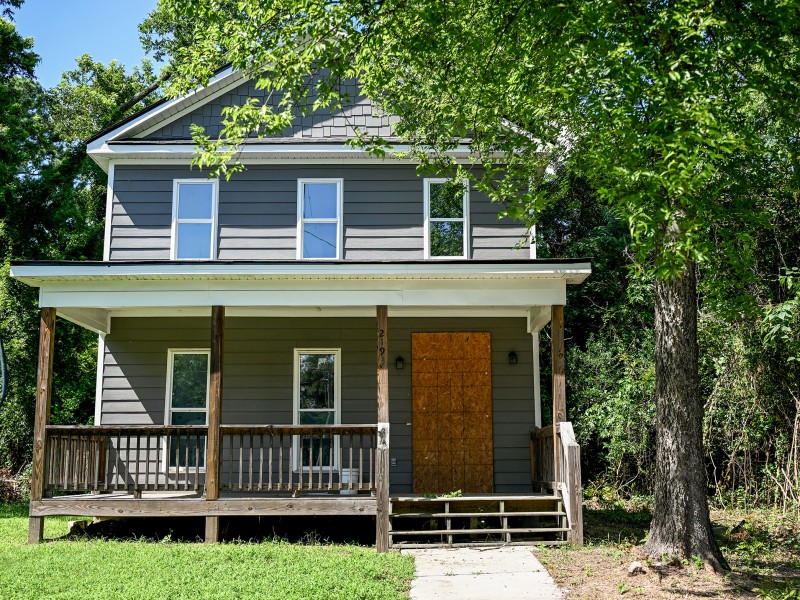
CEA chairman: Board, created to fix problems in Macon’s poorest neighborhoods, needs restructuring
The Macon-Bibb County Community Enhancement Authority needs to be restructured, chair says.
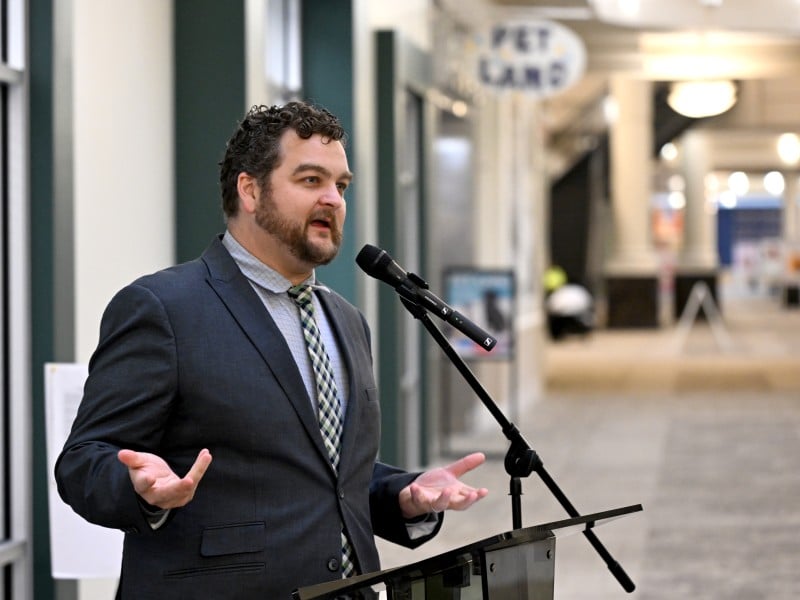
It formed to save downtown Macon. Now Urban Development Authority’s reach is much expanded
When the Macon Mall opened in 1975, the Macon-Bibb County Urban Development Authority was formed to save downtown. Now, a half century later, it is working to revitalize the mall.
The quiet authority shaping the future of Robins Air Force Base
The Central Georgia Joint Development Authority’s mission is to protect Middle Georgia’s largest employer.