
Mulch: Benefits, how to choose best type, mulching tips, more
Mulch is a soil cover that has several significant benefits for plants. Mulching can be as simple as raking up fallen leaves.

While dropping my kids off at school one morning, I heard a radio ad encouraging homeowners to get out and garden this spring. This ad was focused on mulch with the general idea that you can never have too much of a good thing. Mulch is definitely an important thing to have in the landscape!
Mulch is a soil cover that has several significant benefits for plants. It moderates soil temperature fluctuations and reduces soil erosion. Mulch conserves water – which will be especially important during our often hot, dry months ahead. It cuts down on weeds and reduces some disease problems. As mulch decomposes, it builds soil quality and structure, improving the habitat for beneficial soil organisms. Finally, it can protect plants from equipment damage while providing attractive, neat landscape beds.
Mulching can be as simple as raking up fallen leaves, which are free and natural. There is an array of mulching materials out there. Hardwood mulches come in a variety of colors such as red, black and brown. Another common source for mulch is pine trees. Pine straw is lightweight and economical. Pine bark comes in regular or mini nuggets. Occasionally, if a utility company is working nearby, you can ask them to drop a load of chipped-up trees for you. While it is not as uniform as store bought materials, it is free.
How do you choose the best mulch? Cost could be one deciding factor, as well as how quickly the materials decompose and need to be replaced. Finer textured mulches will need to be refreshed more often than coarser
mulches. Pine straw might be more economical, but this type of mulch is likely to be replaced more often. While our nurseries and garden centers have a variety of bagged products, bulk mulch is also available. If you need a trailer or truckload, do a quick online search for ‘bulk mulch’ in Macon. Some even offer delivery.
The general rule of thumb is to mulch 3-4 inches deep, maybe a little deeper for pine straw. In areas where new beds are established or weeds are particularly problematic, thicker mulch can be used. However, be sure to avoid ‘volcano mulching’, or piling extra mulch around the base of plants. This is often seen in trees. Volcano mulching may cause problems related to insects, disease, and decay. In fact, it is always good to pull the mulch back 3-4 inches from the base of the plant.
One more gardening hack is the use of cardboard boxes underneath the mulch. Break down boxes and layer cardboard to improve weed suppression and water retention. Remove any tape, stickers, or other adhesives and be sure to cover the cardboard thoroughly.
As the garden centers beckon us with aisles of beautiful plants, don’t forget to pick up mulch to get that new planting started. You’ll be happy with the results.
If you have any questions, please call Bibb County Cooperative Extension at 478-751-6338 or email us at bibb.extension@uga.edu
Karol Kelly is the Agriculture and Natural Resources Extension Agent in Bibb County. She is a proud Macon native and has served in this role since 2007.
Before you go...
Thanks for reading The Macon Melody. We hope this article added to your day.
We are a nonprofit, local newsroom that connects you to the whole story of Macon-Bibb County. We live, work and play here. Our reporting illuminates and celebrates the people and events that make Middle Georgia unique.
If you appreciate what we do, please join the readers like you who help make our solution-focused journalism possible. Thank you
Related Articles
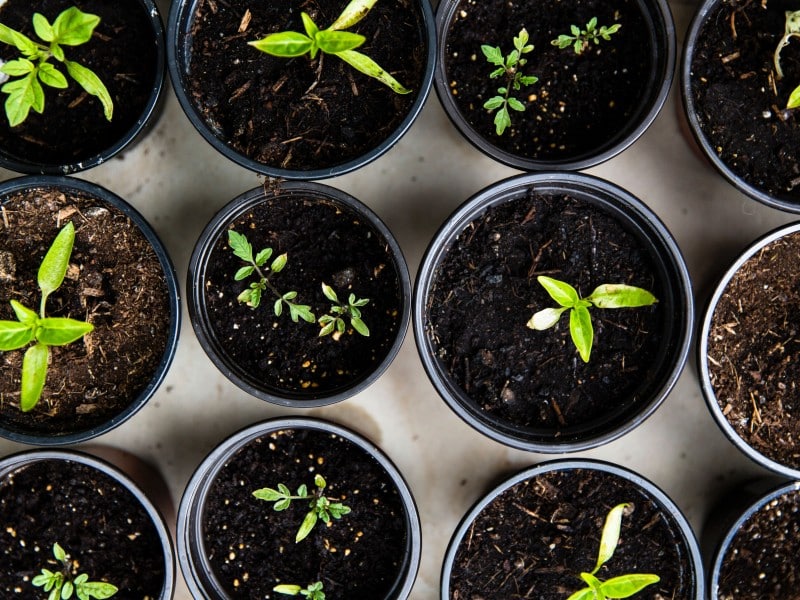
A Smart Start to Spring Gardening
There are several simple steps you can take to prepare for a healthy and thriving garden this spring.
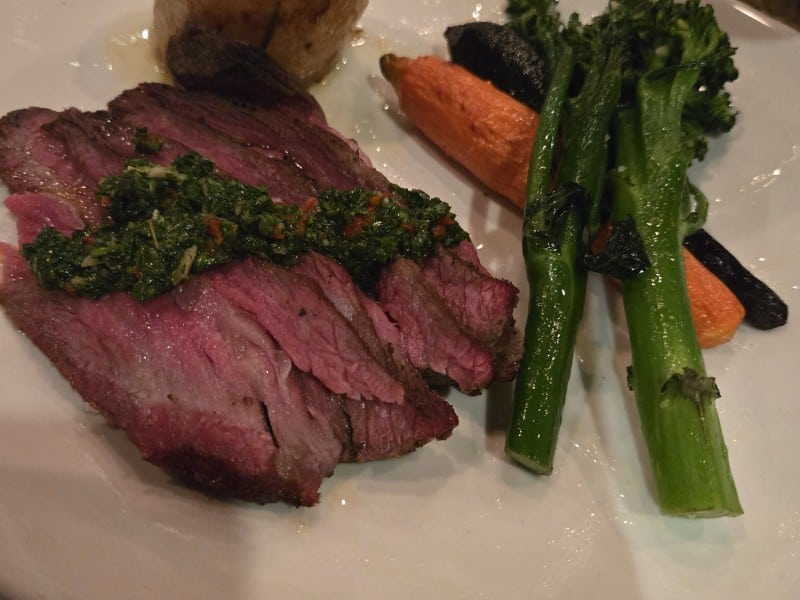
Billy’s Let’s Eat Review: Brasserie Circa
Read Billy Hennessey’s latest local food review as he takes a bite out of another Macon restaurant.

Lit Fest to bring Middle Ga. book lovers, authors together
Avid readers, local authors and more will gather for the Middle Georgia Lit Fest Feb. 7.