
Planting, maintaining color with annual flowers in the landscape
Properly planting annual flowers for your summer landscape and making sure they look nice throughout the growing season requires a little work. Keep reading to learn how to get your annuals to thrive.
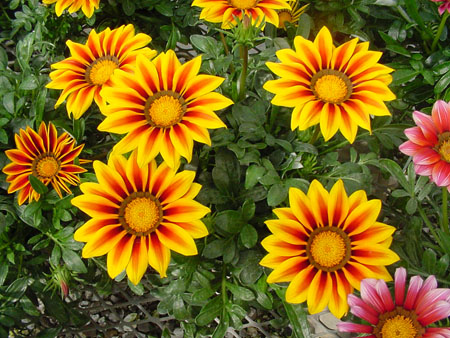
Last week I talked about the great, colorful annual plants available to add a little pizzazz to your summer plantings. Selecting the colors, shapes and textures you love is likely the easy part. Getting them properly planted and looking nice throughout the growing season requires a little more work.
When planting a flower bed, consider the mature height of the annuals you have chosen. Place taller plants in the back of the bed and trailing plants at the front. To draw attention with a sweep of color, use a larger quantity of only a few types of annuals. Be sure to group annuals with similar environmental needs together.
Proper bed preparation is important for the best performance of color annuals. This will help them to develop strong, healthy root systems, enabling the plants to better resist pests and environmental challenges. Add 2-4 inches of organic matter, such as compost, soil conditioner or aged animal manure, along with fertilizer, ideally from a soil test recommendation. Work these amendments into the soil to a depth of 8-12 inches.
In absence of a soil test, use a balanced fertilizer (such as 10-10-10) at the rate of one pound per 100 square feet. This will need to be reapplied every six weeks during the growing season. While slow-release fertilizers may cost a little more, they can meet the nutritional needs of annual flowers for a much longer time. Another advantage is that they provide a more even uptake of nutrients by the plants, resulting in a more uniform growth rate. One caution, however, is that they can be depleted faster in wet seasons with high soil temperatures. In that case, annual plants may need a fertilizer boost late in the season to continue their color show. Follow the product label for rate information.
When planting, carefully remove plants from the containers and position the tops of their root balls even with the surface of the soil. It is important to space the plants according to their mature size found on the plant tag, rather than their current size. Then apply 2-3 inches of mulch, such as pine bark mini-nuggets or pine straw, as a weed barrier and to help control moisture.
Water thoroughly at planting. It is recommended to irrigate at the plant’s roots and avoid overhead watering, if possible. Consider soakers, hoses or drip irrigation, both to conserve moisture and to minimize diseases common in annuals. Add one inch of water per week in the absence of rain. The first 3-4 weeks while the plants are becoming established are the most crucial to success. During this time smaller amounts of water should be applied more frequently.
Some of the newer annual varieties are “self-cleaning” and quickly loose spent flowers. However, “deadheading,” or removing old flowers, is still required for many flowering plants. This task prevents the production of seeds and stimulates additional flowering. Similarly, certain annuals, like petunias, can be invigorated by heavy pruning. They can be cut back to 3-4 inches tall, watered and fertilized for a new flush of growth mid-summer.
Annual flowers, like most plants, are most successful when the thoughts and work takes place at the start of the process. Then it is time to sit back and enjoy your beautiful landscape!
For more information on growing annuals in Georgia, visit: extension.uga.edu/publications and search for ‘flowering annuals’.
If you have other gardening or landscape questions, call Bibb County Extension at 478-310-5350 or email us at bibb.extension@uga.edu.
Before you go...
Thanks for reading The Macon Melody. We hope this article added to your day.
We are a nonprofit, local newsroom that connects you to the whole story of Macon-Bibb County. We live, work and play here. Our reporting illuminates and celebrates the people and events that make Middle Georgia unique.
If you appreciate what we do, please join the readers like you who help make our solution-focused journalism possible. Thank you
Related Articles
Prune for better fruit: late-winter cuts pay off
Proper pruning can feel drastic, but thoughtful cuts now lead to better fruit later.

New director to lead Mercer center for strings, symphony orchestra concert fast approaching
The McDuffie Center for Strings will welcome a new director this fall. Also, the Macon-Mercer Symphony Orchestra will perform Monday.
Roses need love, too: Prune soon
For beautiful garden roses in April, start pruning around Valentine’s Day.