
Prune for better fruit: late-winter cuts pay off
Proper pruning can feel drastic, but thoughtful cuts now lead to better fruit later.
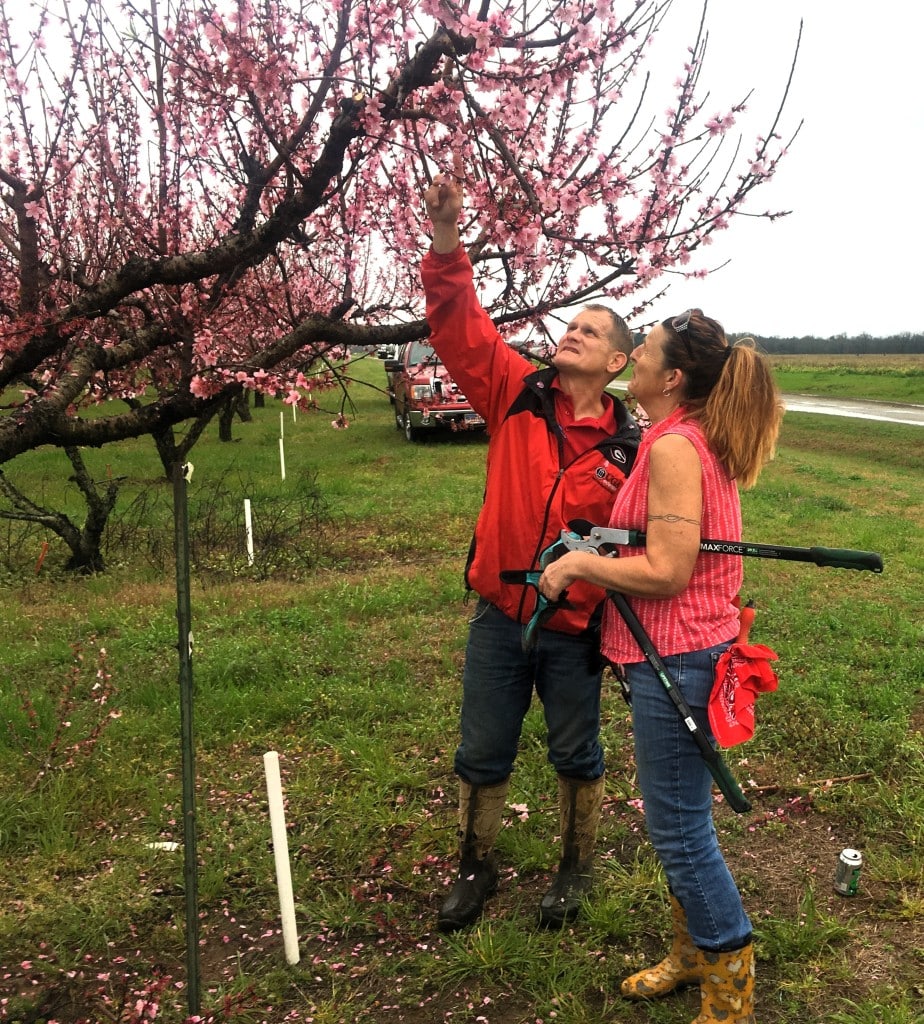
Growing backyard fruit — plums, figs, muscadines, pears, blueberries and more — rewards gardeners with fresh flavor and beauty. But good harvests don’t happen by accident. Late-winter pruning improves fruit quality, controls plant size and strengthens trees and vines for years to come.
Many gardeners hesitate to cut enough. Proper pruning can feel drastic, but thoughtful cuts now lead to better fruit later.
Why Prune?
Pruning keeps fruit within reach. Tall, tangled trees and vines often end up feeding birds and squirrels more than people. Strategic cuts also:
— Improve light penetration for better fruit set and ripening
— Build a strong framework to support heavy crops
— Encourage earlier, higher-quality production
— Extend the life of the tree or vine
Training, which involves shaping young trees into a desired form, is just as important as pruning. A well-trained tree supports fruit efficiently and remains easier to manage over time.
The rule is simple: prune late in winter, and prune with purpose. Each type of fruit requires a slightly different approach. University of Georgia publications provide detailed, crop-specific guidance.
The key takeaway is this: controlling height, improving light penetration and building strong structure all increase fruit quality and yield.
Time it right
Dormant pruning should begin as late in the winter season as possible to reduce the risk of cold injury. Within each fruit type, prune older trees before younger ones. Young trees are more susceptible to winter injury, so delay pruning them until later in the dormant season.
Prune in this general order:
1. Muscadines (January–early February)
Muscadines “bleed” heavily when pruned, so cut them first. They produce fruit on new shoots that grow from last year’s wood. Leave about 3 inches of last year’s growth on each spur. One-year-old wood appears lighter in color and carries numerous buds. New shoots from those buds will bear this season’s fruit. Train vines to a single trunk that divides into two to four horizontal arms (cordons) along trellis wires. If you remove all of last year’s wood, the vine will grow but it will not produce fruit.
2. Apples and Pears
Apple and pear trees perform best with a central leader — one main upright trunk. In the first year, select four or five well-spaced scaffold branches to form the basic structure. Avoid branches directly opposite or stacked above each other. The ideal shape resembles a Christmas tree, with the longest branches at the bottom and progressively shorter branches toward the top. This structure balances growth, allows light into the canopy and supports the weight of developing fruit.
3. Peaches and Plums
Peach and plum trees perform better with an open center, or vase shape. Remove the central leader and any branches growing downward or toward the center of the tree. Keep three to five strong scaffold limbs growing outward. This open structure improves sunlight exposure and reduces shading, resulting in better fruit development.
4. Blueberries
These fruits grow on flexible stems called canes. Prune for renewal by removing about 20% of the oldest canes each year, cutting them back to the ground severely. Leave the remaining canes to produce fruit. Repeat this process annually. Over five years, the entire plant will be renewed while maintaining steady production.
5. Figs
Late winter is also the best time to prune fig trees, while they are still dormant but before new growth begins. Remove dead, damaged or crossing branches, cutting back to healthy wood. Thin densely crowded interior growth in order to expose the center of the tree to sunlight and air circulation, which helps reduce disease and improve fruit quality. Figs produce fruit on new growth, so light annual pruning encourages strong shoots that will bear this season’s crop. Avoid heavy pruning unless the tree is overgrown or has been damaged by cold, since severe cuts can reduce yield. Aim to maintain a manageable height of about 8 to 10 feet so fruit remains easy to reach and harvest.
A few thoughtful cuts now will reward you with healthier plants, manageable trees and sweeter harvests for years to come.
If you have gardening or landscape questions, call Bibb County Extension at 478-310-5350 or email bibb.extension@uga.edu.
Before you go...
Thanks for reading The Macon Melody. We hope this article added to your day.
We are a nonprofit, local newsroom that connects you to the whole story of Macon-Bibb County. We live, work and play here. Our reporting illuminates and celebrates the people and events that make Middle Georgia unique.
If you appreciate what we do, please join the readers like you who help make our solution-focused journalism possible. Thank you
Related Articles

New director to lead Mercer center for strings, symphony orchestra concert fast approaching
The McDuffie Center for Strings will welcome a new director this fall. Also, the Macon-Mercer Symphony Orchestra will perform Monday.
Roses need love, too: Prune soon
For beautiful garden roses in April, start pruning around Valentine’s Day.
Bibb County’s agriculture programs shepherd students beyond high school
The Bibb County School District recently expanded on its Future Farmers of America program with a new adult education program to connect graduates with the community.