
Spring into gardening: How not to overdo it with your veggie patch
Planting a spring vegetable garden is joyful, grounding, and deliciously rewarding. Here’s some tips from the Bibb County Cooperative Extension.
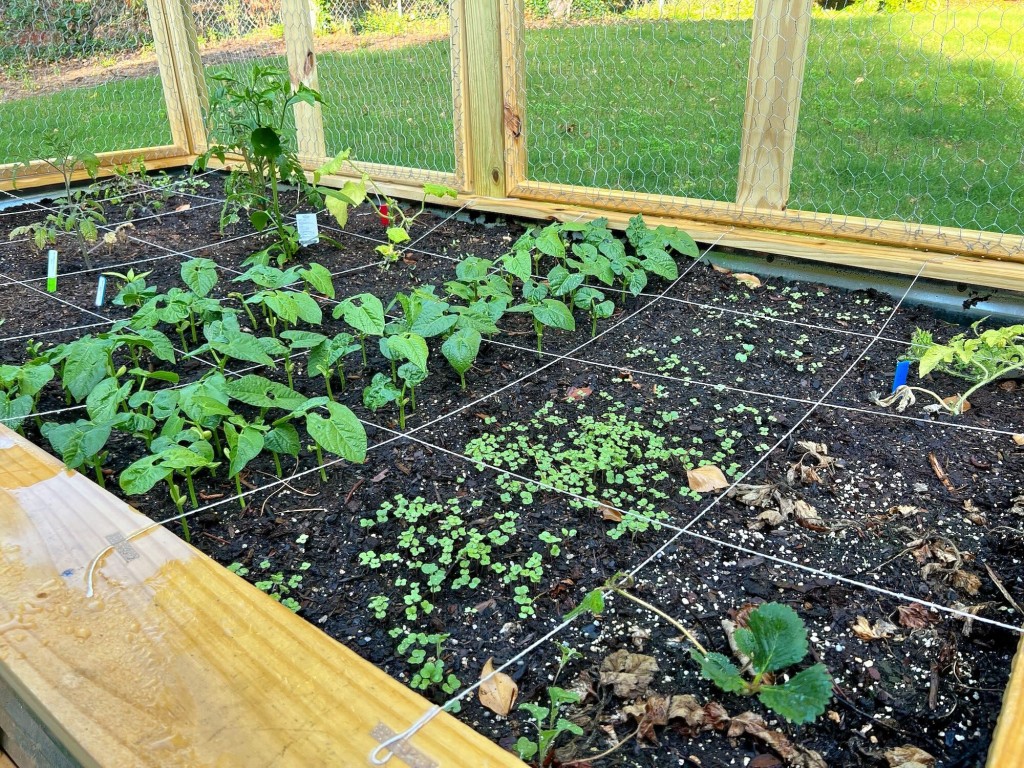
Ah, springtime. That glorious moment when the sun feels warm again, the birds are back from vacation, and gardeners emerge from hibernation longing for dirt under their nails and with overly ambitious dreams of vegetable glory.
If you’re anything like me, your recent garden center visit for “just a few” tomato plants quickly turned into an entire cart. Tomatoes, peppers, lettuce, kale, eggplants, three kinds of squash (because variety, right?), and somehow a watermelon you have no business trying to grow in your small garden. It happens to the best of us.
Planting a spring vegetable garden is joyful, grounding, and deliciously rewarding. However, before you transform your backyard (or porch) into a full-blown farm, consider this friendly reminder — you don’t need to plant one of everything. Plants are like puppies. They’re cute, but they grow up, need food, space and attention. Exercise a little restraint!
Once you’ve selected a reasonable number of plants (i.e., an amount that doesn’t require you to Google “preserving 87 pounds of zucchini,”) it’s time to prepare your garden bed or containers. You can begin by giving your soil some love. It’s always a good idea to start with a soil test for specific recommendations for your garden.
Fertilizing your vegetable plants is like feeding teenagers — do it right, and they’ll grow like crazy; do it wrong, and you’ll end up with chaos. If a soil test isn’t available, you may start with a general balanced fertilizer. Before you go shaking that bag of fertilizer, take a moment to read the instructions. Those tiny numbers and oddly specific guidelines are there for a reason — too much can burn your plants, and too little can leave them weak and stunted.
Once you’ve fed them properly, follow up with a side dress (that’s gardener-speak for sprinkling it around the base of plants) of compost. It’s like giving your plants a healthy dessert after their main meal — nutritious, slow-releasing and full of good vibes. A scoop or two of compost worked into the soil, and then a light refresh every few weeks, is often more than enough.
Watering is where we go from an enthusiastic plant parent to an overbearing helicopter gardener. You may think you’re doing your tomatoes a favor by giving them a daily soak, but plants, like people, don’t appreciate being smothered. Too much water can lead to root rot and general plant misery.
Before you reach for the hose, check your soil. Stick your finger about two inches down—if it feels dry, go ahead and water. A good, deep soak a couple of times a week (depending on the weather) is better than frequent shallow watering, which just encourages lazy roots.
As your garden starts to grow, you may notice some plants thriving while others seem a little… needy. That’s normal! Maybe the lettuce bolts because it’s too warm, or your cucumbers take off like they’ve got somewhere to be. That’s part of the fun — and the learning curve. Gardening teaches something new every year.
Spring vegetable gardening is a wonderful mix of science, patience, and good old-fashioned trial and error. Keep it simple, stay curious, and above all — don’t buy more than you can plant, and don’t plant more than you can handle. Your future self will thank you.
For garden tips, recipes, and all things Extension, please follow us on Facebook and Instagram: Bibb County GA Cooperative Extension. Send your questions to susan.fisher@uga.edu or call us at 478-751-6338.
Susan Fisher is a Program Assistant with Bibb County Cooperative Extension. She is the champion, teacher, and gardener extraordinaire of the Gardens at Brookdale.
Before you go...
Thanks for reading The Macon Melody. We hope this article added to your day.
We are a nonprofit, local newsroom that connects you to the whole story of Macon-Bibb County. We live, work and play here. Our reporting illuminates and celebrates the people and events that make Middle Georgia unique.
If you appreciate what we do, please join the readers like you who help make our solution-focused journalism possible. Thank you
Related Articles

A spotlight on what’s to come for local theaters
Local community theater leaders reflect on 2025 and discuss upcoming productions.
How birds weather winter in Middle Georgia
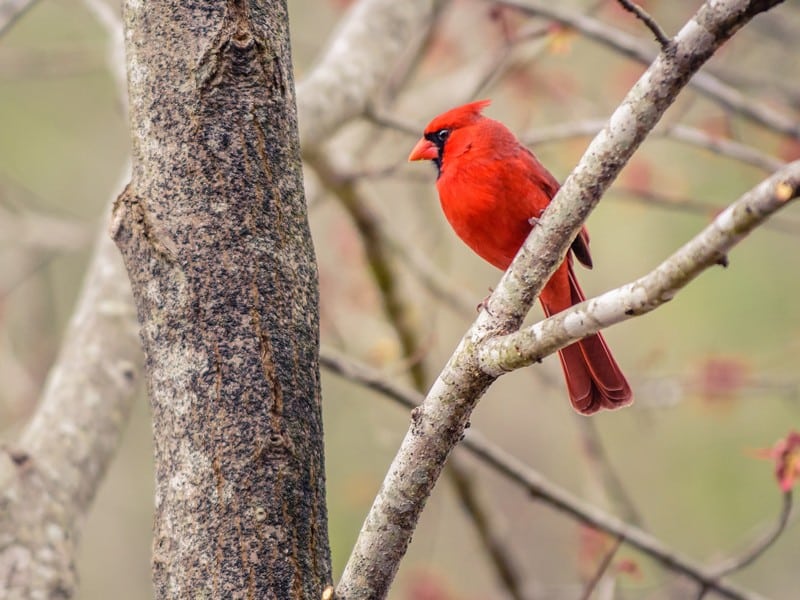
Learn how Middle Georgia birds survive the cold winters and how you can help them through it.

Grey Goose Players Club: A reliable, beloved Macon fixture
Melody food columnist Billy Hennessey writes that Grey Goose Players Club isn’t flashy or trendy, instead it carries a long history and a loyal following.