
The man who rolled a church through downtown Macon
Eliphalet E. Brown is a Macon alderman, elected magistrate and hotel-owner. Brown and his 14 family members are buried in Macon’s Rose Hill Cemetery.
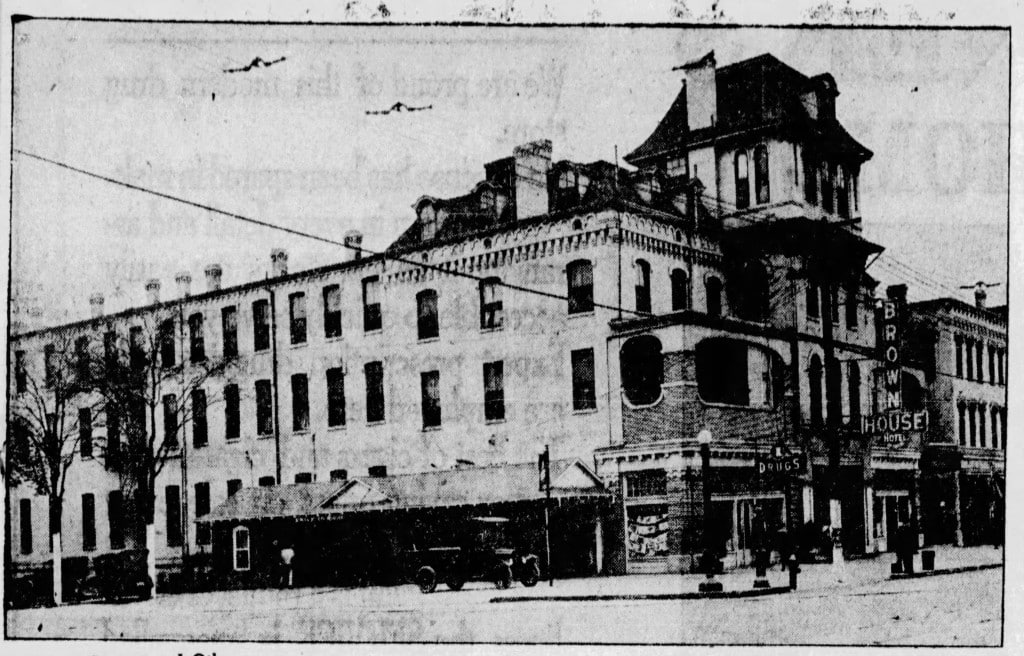
Many prominent Maconites have beautiful statues and monuments in Rose Hill Cemetery, while others are buried beneath a simple rectangle of bricks. The latter is the case for Eliphalet E. Brown — a Macon alderman, elected magistrate and hotel-owner — and his 14 family members.
Eliphalet Edgerton Brown was born in Norwich, Connecticut, in 1812 and moved with his family to Jones County in 1822. His father, William F. Brown, who died in 1829, was the first man in Georgia to manufacture cotton gins, according to an article written in 1886 for The Macon Telegraph.
In February 1836, Eliphalet enlisted with the Macon Volunteers and was sent to Florida to help subdue the Seminole Tribes during the Florida Wars.
During the war, Eliphalet was injured and briefly stayed at a field hospital. After he recovered, he volunteered to carry an important dispatch to General Winfield Scott. Eliphalet traveled 90 miles on horseback through enemy territory to deliver the message. When he arrived in camp, General Scott declared him a hero and gave Eliphalet a sip of spirits from his personal flask.
Eliphalet returned to Macon, married Margaret Hollingsworth and they had 12 children. In 1836, Eliphalet was elected magistrate and served in that capacity for 18 years. He was also a city alderman for several years.
In 1838, Eliphalet’s two brothers, A. D. and Israel Brown, were hired to build a new Baptist church. The old Baptist church, which sat at the corner of Sixth and Cherry streets, was given to the brothers as payment. At some point during the project, the brothers dissolved their partnership, and Eliphalet took over.
A.D. and Israel went on to be very successful. A. D. secured three patents related to improvements to the cotton gin, and Israel Brown held patents on a washing machine and the cotton gin.
At this time, Macon had no theater, and Eliphalet saw an opportunity. He rolled the old Baptist church building from Sixth and Cherry streets to a lot on Third Street near Mulberry. The old church was painted, the pews were used as seats, and the building was turned into a theater. People were furious and outraged at the idea of a church building being turned into a theater. However, it continued to operate for several years and was profitable.
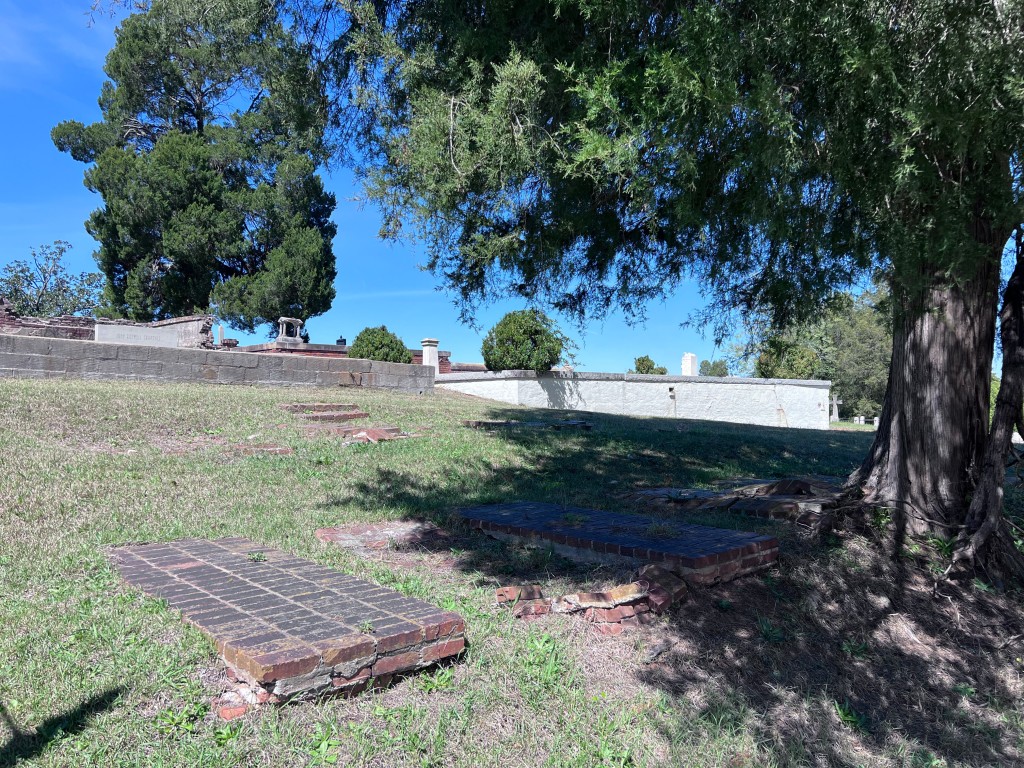
In 1855, the Central of Georgia Railroad built a depot at Fourth and Plum streets. Eliphalet purchased a lot across the street and built The Brown Hotel, which was also known as the “Brown House.” This three-story hotel, which opened in December of 1855, included sleeping apartments, reading rooms, a dining hall, bath rooms, a barber shop and a billiards saloon. The Georgia Journal and Messenger declared it a “first-class hotel.”
The Brown Hotel, which was located where WGXA News is now, went through several incarnations over the years. In April of 1878, it was completely destroyed by fire, but by the time of the State Agricultural Fair in October of that same year, the hotel had been rebuilt. In 1921, a tragic explosion and fire burned the Brown Hotel to the ground, killing six people.
Eliphalet sold the Brown Hotel in 1880 and afterwards ran the National Hotel. While running the National Hotel, Eliphalet built The Edgerton, a new hotel that was named after his son, Eliphalet Edgerton Brown. “Liph,” as his son was known, died in a tragic accident while riding on a train. He climbed on the top of a car and was killed when his head hit a bridge truss as the train crossed the Flint River between Oglethorpe and Montezuma.
Eliphalet died in 1886 at the age of 73 after contracting dysentery. He and his family members are buried in a plot along Central Avenue in Rose Hill Cemetery.
Before you go...
Thanks for reading The Macon Melody. We hope this article added to your day.
We are a nonprofit, local newsroom that connects you to the whole story of Macon-Bibb County. We live, work and play here. Our reporting illuminates and celebrates the people and events that make Middle Georgia unique.
If you appreciate what we do, please join the readers like you who help make our solution-focused journalism possible. Thank you
Related Articles
Gallery West to close doors, ‘reSISTERS’ exhibit opens at Macon arts Alliance
Macon artist She Keene’s exhibit, “reSISTERS,” focuses on heroes of the women’s right-to-vote movement.
A local gallery will close its doors at the end of May.
Billy dishes on Food Truck Frenzy and supporting local businesses
While the Cherry Blossom Festival brings in visitors from all over, it is also powered by the people who live here. The families, the workers, the small business owners and the locals who show up year after year to support what makes Macon special.
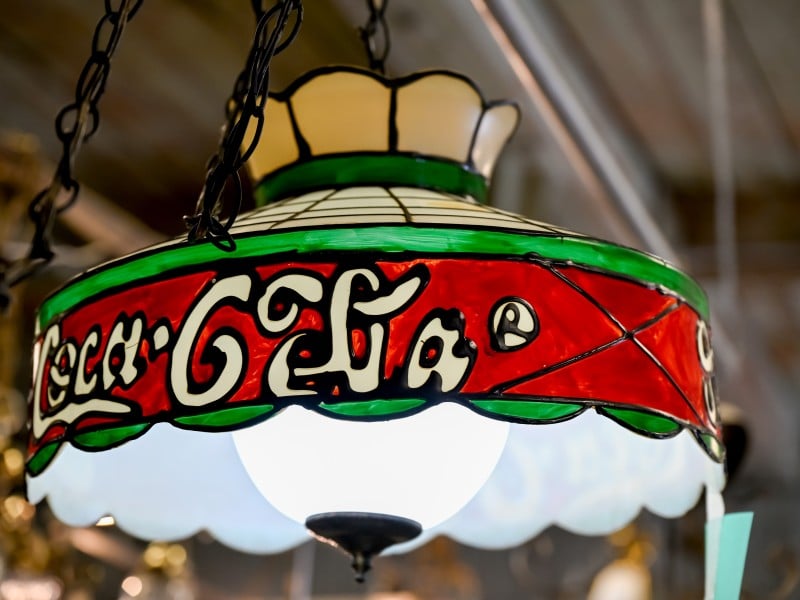
Flea market finds: Historic Macon spring sale this weekend
The spring flea market returns this weekend. The local sale is the biggest annual fundraising event for the Historic Macon Foundation.