
The spooky but essential science of Georgia’s bats
It’s easy to associate bats with spooky vibes, but here in Georgia, our native bats are far more helpful than they are scary.
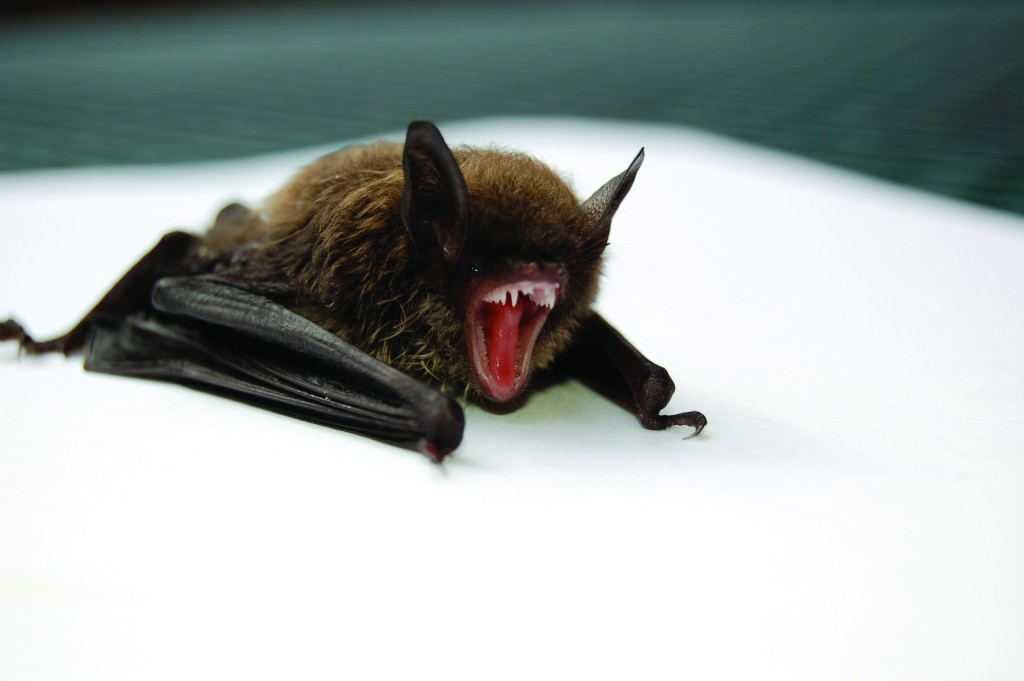
As autumn leaves turn and October’s hues deepen, one familiar creature often emerges alongside the Halloween decorations creeping into our yards — bats!
It’s easy to associate bats with spooky vibes, but here in Georgia, our native bats are far more helpful than they are scary. They’re hardworking members of our ecosystem and play vital roles in pest control, plant health and environmental balance.
Bats belong to the scientific order Chiroptera, which means “hand-wing.” Their wings are made of thin skin stretched over elongated fingers. Unlike birds, bats are true mammals — they give birth to live young, called pups, and are warm-blooded creatures of the dark.
Georgia hosts 16 species of these nocturnal hunters, all of which feed exclusively on insects. Common species across the state include the Big Brown Bat (Eptesicus fuscus), Eastern Red Bat (Lasiurus borealis) and Evening Bat (Nycticeius humeralis).
With its blend of forests, caves, agricultural landscapes and urban spaces, Georgia provides bats with many cozy roosts — from the hollows of old trees to the rafters of barns, bridges and even attics.
One of the eeriest and most fascinating adaptations of bats is echolocation, their own supernatural night sonar. In the darkness, bats emit high-pitched squeaks that bounce off nearby objects. The returning echoes act as a ghostly map, revealing the size, shape, and distance of everything around them.
Seasonal behaviors
— Fall (September to November): As the days shorten and insect populations decline, Georgia bats stay on the move. Rather than hibernate deeply like their northern cousins, they enter brief spells of rest, known as torpor, and seek out new roosting spots to survive the chilling season.
— Winter (December to February): Bats that are unable to find stable roosts may use caves, hollow trees or human structures for hibernation or semi-hibernation. Cave-roosting species are especially vulnerable during this dark season, as they are susceptible to disturbances and disease. A recent study from the Georgia Department of Natural Resources shows a steep decline in some cave-roosting species because of White-Nose Syndrome, a deadly fungal disease that disrupts hibernation.
— Spring (March to May) and summer (June to August): With the return of warmer nights, bats become more active and emerge from their shadowy retreats to feed, mate and settle into summer roosts. You may find them darting through the twilight in search of mosquitoes, moths and beetles to rebuild their energy reserves. As summer approaches, female bats form maternity colonies to nurture and raise their pups in sheltered spaces. By late summer, these young bats are learning to fly.
Haunting helpers
Unlike the nectar-feeding bats of tropical regions, Georgia’s species are not pollinators. Instead, their true superpower lies in keeping our gardens, farms and forests safe by controlling insect populations, protecting crops and minimizing the need for pesticides. By hunting under the cover of night, they reduce the competition for insects among birds and other animals. A single brown bat can eat up to 1,200 mosquitoes in one hour. Although they feed on insects rather than fruit, their nightly flights still support forests by spreading nutrients through their droppings (guano), which keeps Georgia’s woods healthy long after sunset.
While bats might seem spooky as they swoop through the night, they are vital to keeping our planet healthy. More than mere Halloween icons, these nocturnal hunters are caretakers of our environment.
By understanding and appreciating their secret lives, we can inspire others to protect and conserve Georgia’s endangered bat species — ensuring these mysterious creatures continue their essential roles for years to come.
Morgan Durden is the administrative assistant with the Bibb County office of the University of Georgia Cooperative Extension Service. Readers with gardening or landscaping questions can call 478-310-5350 or email bibb.extension@uga.edu.
Before you go...
Thanks for reading The Macon Melody. We hope this article added to your day.
We are a nonprofit, local newsroom that connects you to the whole story of Macon-Bibb County. We live, work and play here. Our reporting illuminates and celebrates the people and events that make Middle Georgia unique.
If you appreciate what we do, please join the readers like you who help make our solution-focused journalism possible. Thank you
Related Articles

Perfect Match: Mercer grads begin journey that may help fill state’s critical doctor needs
Mercer University’s graduating medical students and more than 50,000 of their peers nationwide will find out which hospitals have selected them for coveted positions in their residency programs.
Billy Eats… but did you know he also cooks?
Billy Eats, but he also sautés, simmers, thickens and seasons. Learn how to make his shepherd’s pie at home.
Help! My crape myrtles are turning black
Recently the extension office has received several calls from homeowners wondering why their crape myrtle trees are turning black. Find out why and learn how to treat it.