
Tips for avoiding tick bites
Learn how to avoid tick bites this spring with advice from the Bibb County Cooperative Extension.
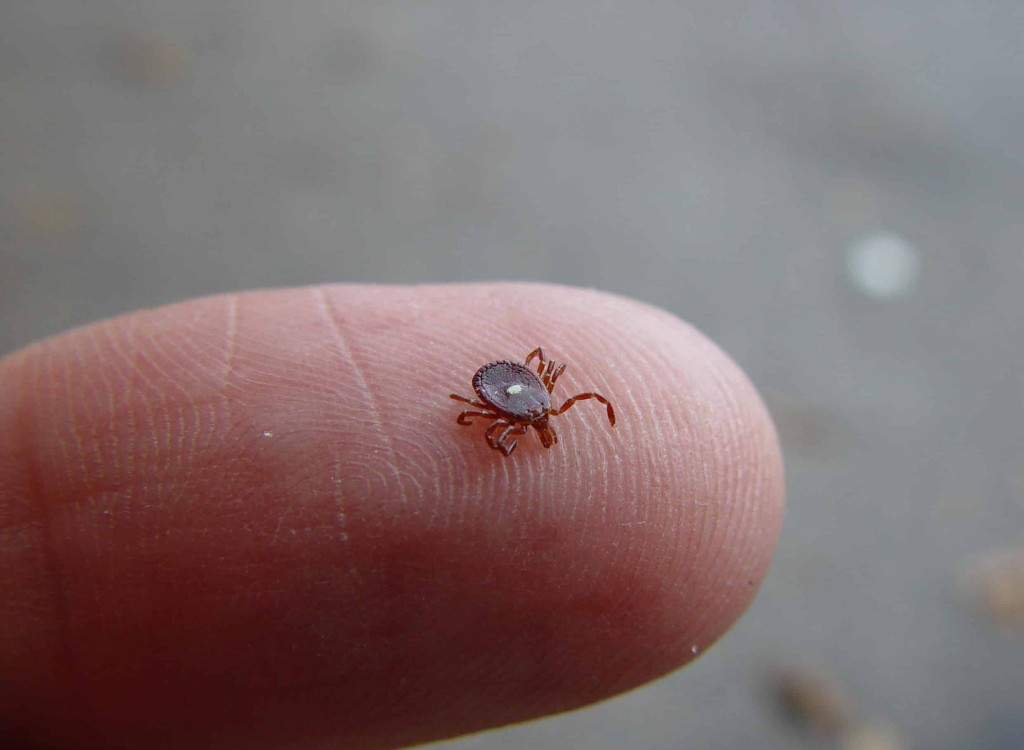
My 10-year-old son has been labeled as our family ‘tick magnet’. Whether it’s his short stature or his love of romping through the woods, he rarely comes back inside without one or two ticks. Regular tick checks are a part of our daily routine during the warm months. It is important to always be aware of how to avoid these critters if you
enjoy the great outdoors.
There are three common species of ticks in Georgia that feed on human blood. The lone star tick is the most common in Georgia and are found where deer are prevalent. The females of this species are easily recognizable with a white spot in the middle of her back. Next, the American dog tick, which prefers dogs as a host, will feed on a variety of animals. Lastly, the black-legged tick which is smaller with no white markings is found on a variety of mammals and smaller rodents.
These ticks all have similar lifecycles that involve three distinct stages (each of which requires a host’s blood) – the six-legged larvae (known as seed ticks), the intermediate nymph, and the adult tick. A female can lay up to 6,000 eggs in a single mass. They can also survive for up to a year while waiting for a host. Ticks are prolific, resilient critters. While they are very adept at finding a host by detecting exhaled carbon dioxide and body warmth, ticks can also sense movement to locate their next meal.
While tick-borne diseases aren’t as common in Georgia as other parts of the U.S., it is a good idea to be aware of the symptoms. Common signs include things like confusion, flu-like aches, severe headaches, fever and rashes. Generally, disease transmission requires at least 24 hours of tick attachment, but symptoms usually show up between one to two weeks afterwards. If you suspect a tick-borne infection, see a doctor promptly.
Here are some tips to avoid tick bites and minimize exposure.
- Keep your lawn cut short to deter ticks. When exploring, avoid vegetation that is tall enough to brush your legs.
- Wear light-colored clothing. Prevent easy access to your skin by tucking your shirt into your pants and your pants into your socks.
- Use repellents containing DEET, which can be applied to the skin. Repellents with the insecticide permethrin (such as Repel) can be sprayed on socks, shoes, and bottom of pants for longer lasting control.
- When working outside, check yourself for ticks at least twice a day, and make a habit of regularly checking your children for ticks when they have been playing outdoors. Lint rollers are useful to rub over socks and pants at the end of treks. Early removal of ticks reduces the chance of disease transmission.
- Ticks should not slow you down from your outdoor adventures this summer. Take the necessary steps to protect yourself on your next great outing.
For questions, call Bibb County Extension at 478-310-5350 or email us at bibb.extension@uga.edu.
Before you go...
Thanks for reading The Macon Melody. We hope this article added to your day.
We are a nonprofit, local newsroom that connects you to the whole story of Macon-Bibb County. We live, work and play here. Our reporting illuminates and celebrates the people and events that make Middle Georgia unique.
If you appreciate what we do, please join the readers like you who help make our solution-focused journalism possible. Thank you
Related Articles

A Smart Start to Spring Gardening
There are several simple steps you can take to prepare for a healthy and thriving garden this spring.
Billy’s Let’s Eat Review: Brasserie Circa
Read Billy Hennessey’s latest local food review as he takes a bite out of another Macon restaurant.

Lit Fest to bring Middle Ga. book lovers, authors together
Avid readers, local authors and more will gather for the Middle Georgia Lit Fest Feb. 7.