
‘We’re all Americans here’: Immigrant communities in Middle Georgia protest increased ICE presence, deportation rhetoric
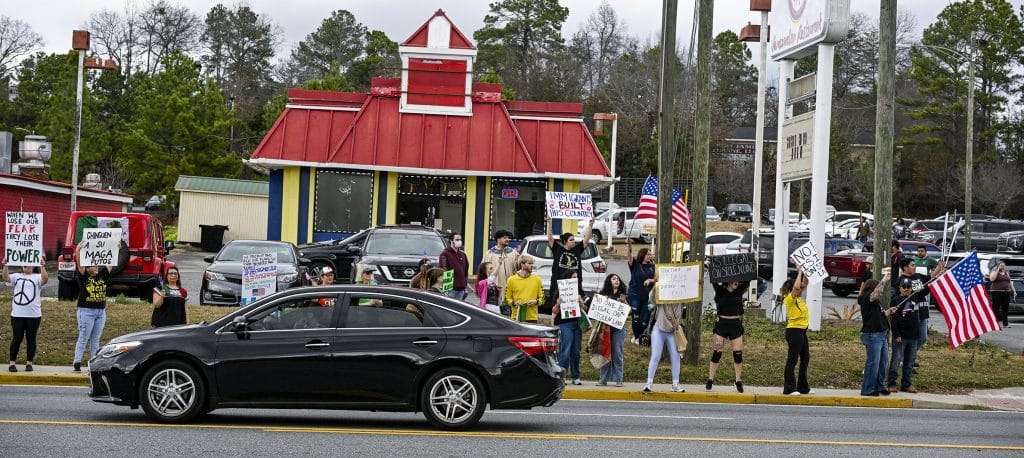
Nearly 200 people gathered in Warner Robins last Saturday in protest of mass deportation threats and increased fears of ICE presence in Middle Georgia.
A new chapter for The Melody
Our team and coverage are moving to The Telegraph. Make sure you look for The Melody's community-first journalism as a section highlighting the people, places and moments that are the rhythm of Macon.

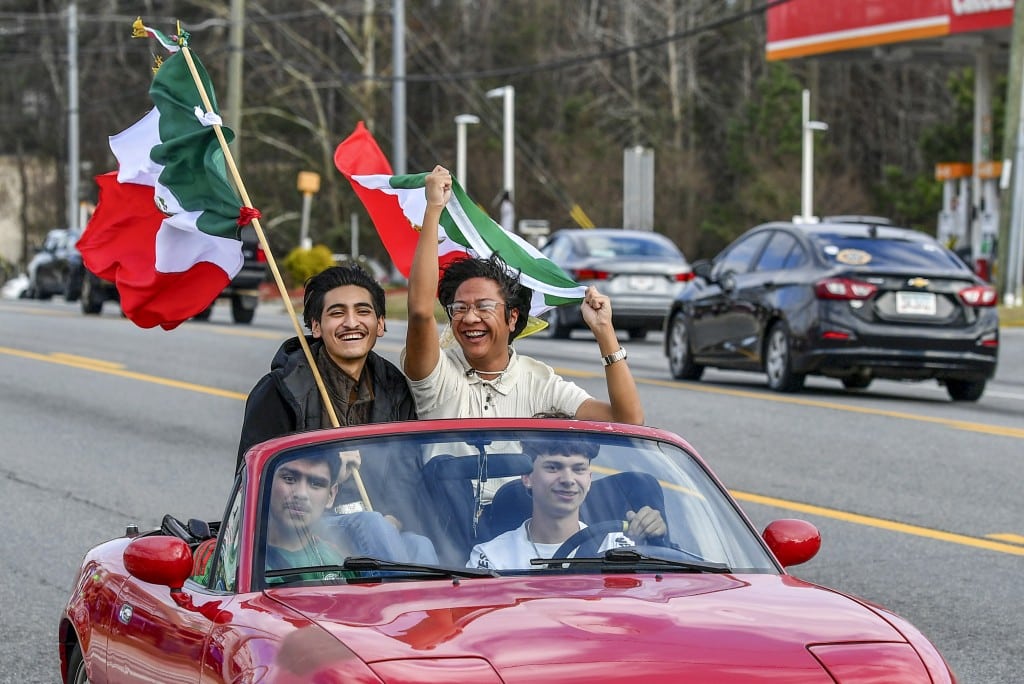
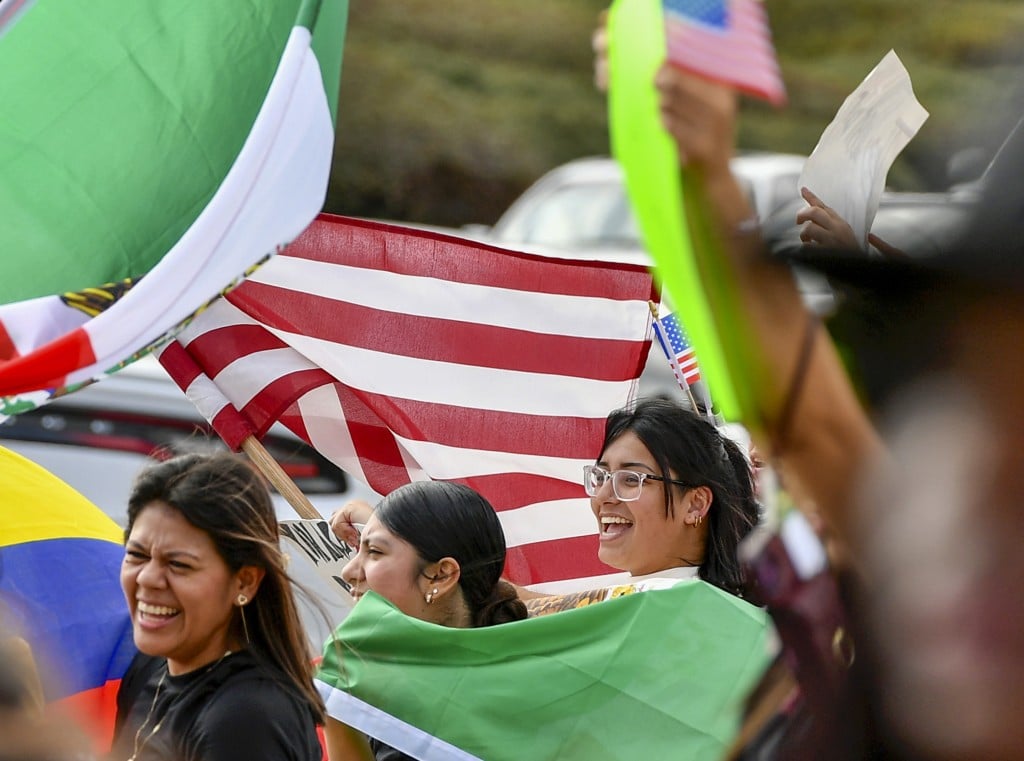
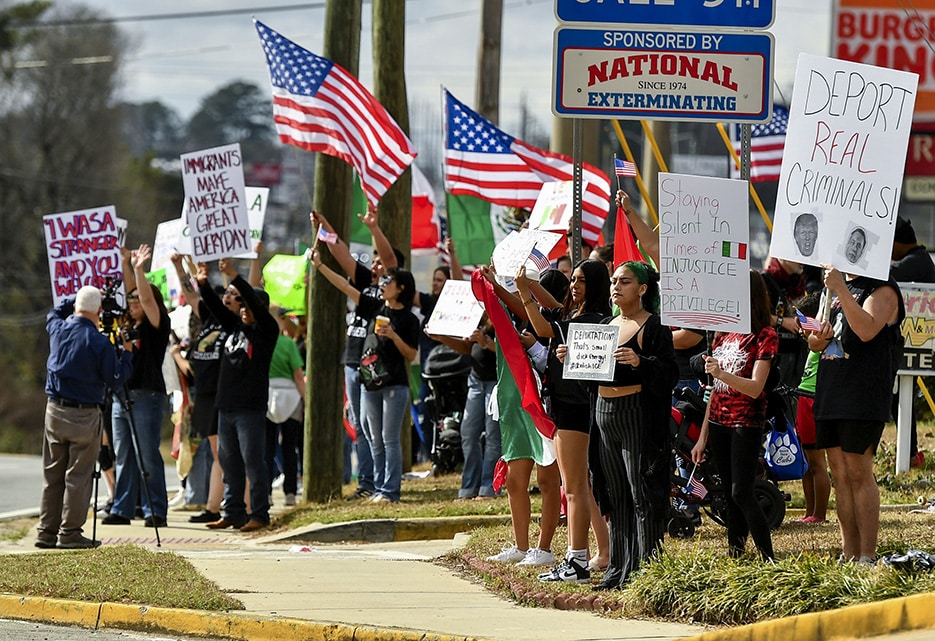
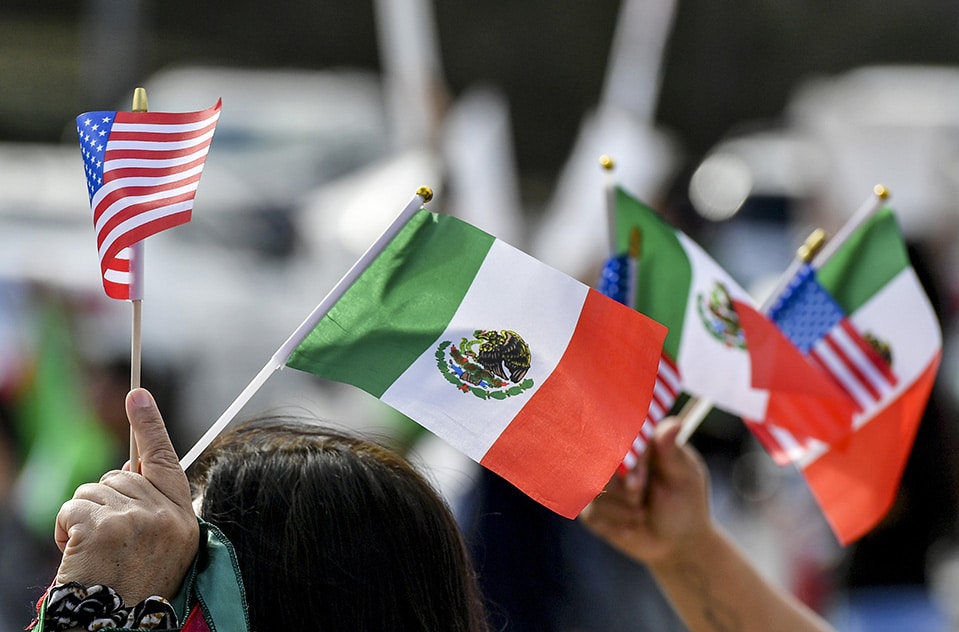
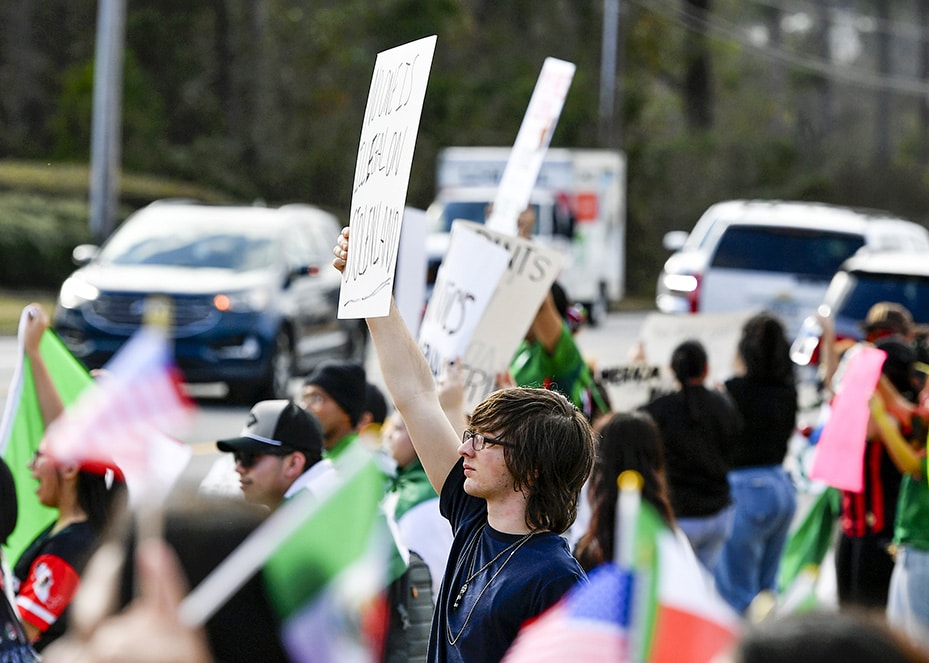
Stephanie Hernandez didn’t expect more than 10 folks to show up in front of the Sabor Latino Venezuelan Restaurant in Warner Robins Saturday. But by late afternoon cars and trucks flying American and international flags — countries like Mexico, Guatemala and Colombia were all represented — filled the restaurant’s parking lot.
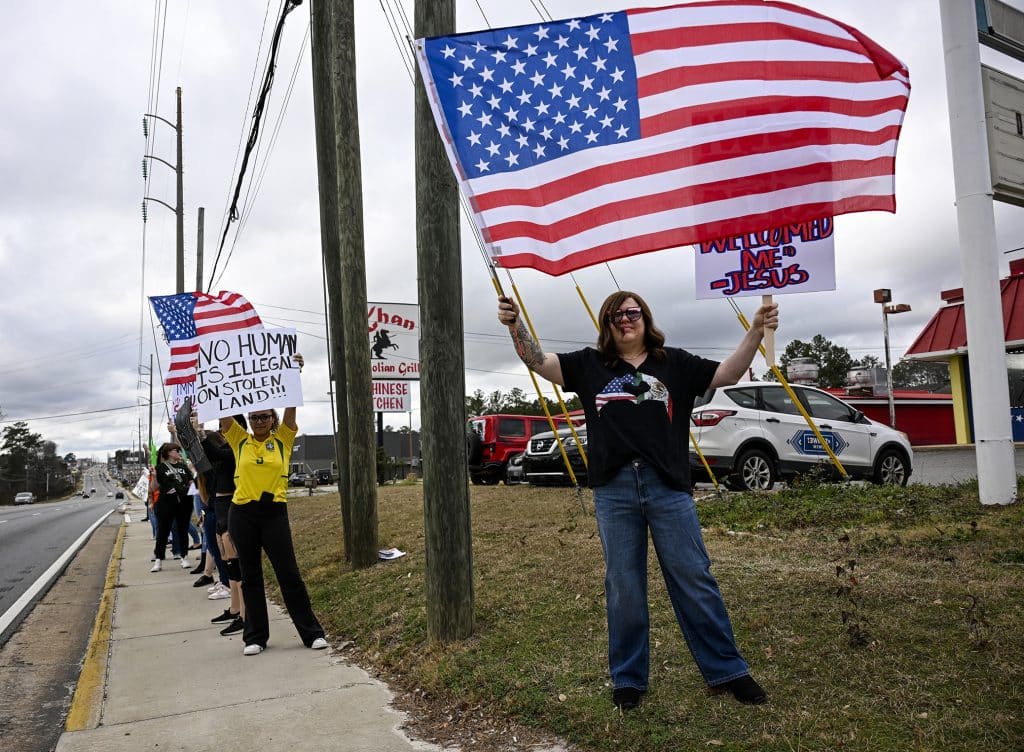
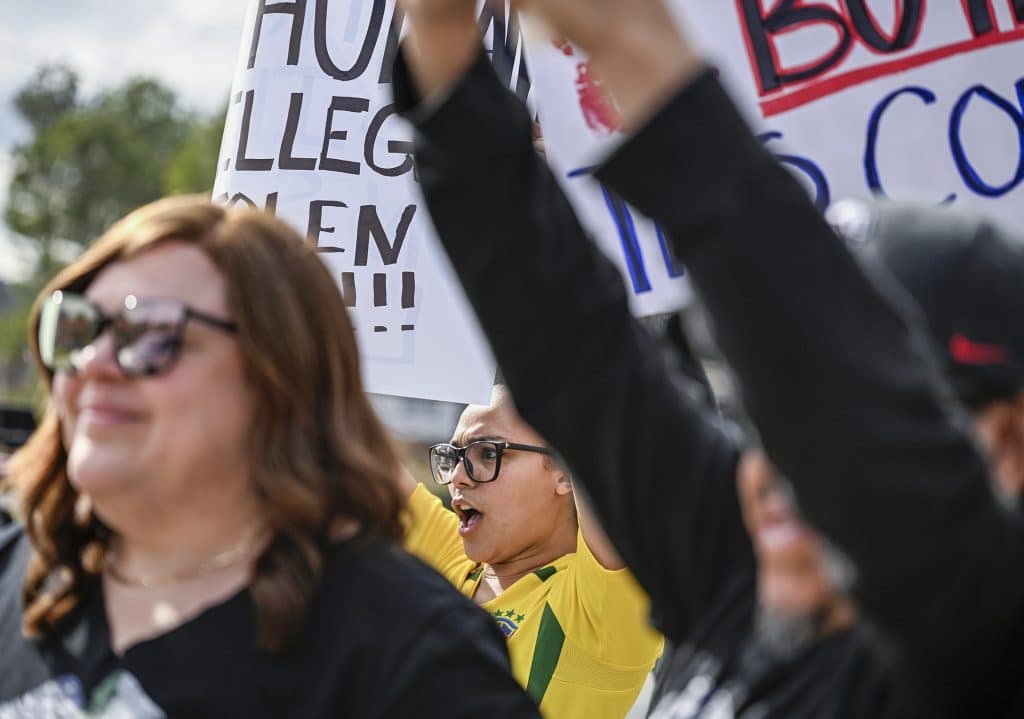
Nearly 200 people stood on the side of the road holding signs that read, “No human is illegal on stolen land,” “When we lose our fear they lose their power” and “Immigrants make America great everyday.”
Hernandez had never organized a protest before, but as the daughter of Honduran immigrants, she wanted to stand up for her community in the face of recent mass deportation threats and increased ICE presence in Middle Georgia.
“Nobody wants to be in fear,” she said, adding that protesters would speak up for those who were scared to do so.
Not realizing that she needed a permit to organize a protest, the location changed three times before the day of the event. The community still came together, from young folks to parents and their children.

Michel Garcia came to the protest with her sister and her kids, one of which held a sign that read “I stand with my people.”
“My kids are half Mexican,” said Garcia, who is Mexican-born. “I’m showing them the value of standing up for your culture.”
She said she teaches her children to be proud of their heritage and not to let others instill fear.
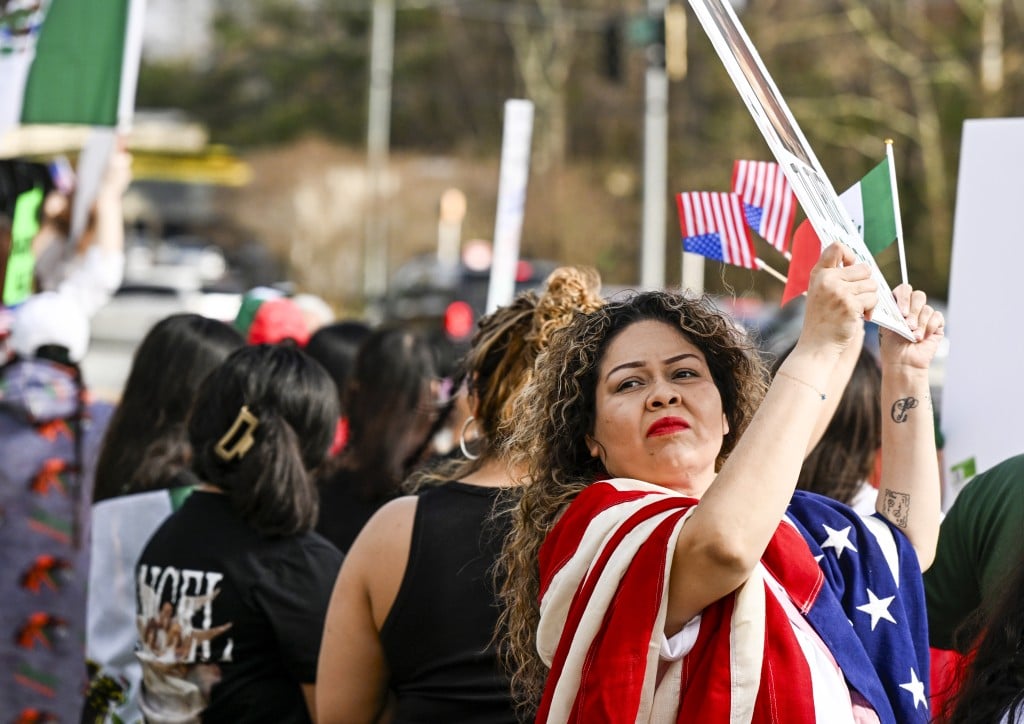
Daniela Pacheco stood on the sidewalk wrapped in an American flag and holding a photo of her parents with the words, “I owe my privilege to their sacrifice.”
Her family has been in the U.S. since the early ‘60s and her grandmother owned the first Mexican restaurant in Warner Robins.
Pacheco wants her son to embrace his heritage, but also wears the American flag to show their appreciation for all that the country has offered them.
“It’s important to remember his culture, but it’s also important to show that we are part of the U.S., and we’re glad for the opportunities that we have,” she said. “He needs to know that he’s not any less of a human being just because of his ancestors.”
Heightened fear
Growing up, Hernandez was keenly aware of her parents’ different citizenship statuses. Her mom came to the U.S. through a relief permit and later received a work permit to stay in the country. Her father, however, was deported several times during her childhood.
“I had to grow up really fast at 14, because I saw my mom struggling,” she said, noting that her efforts are in honor of her father.
Her dad is no longer in the country, but told his daughter he wished he could attend protests and stand up for his fellow immigrants. He inspired Hernandez to mobilize her own community.
“At the end of the day, we’re all Americans here,” she said. “Immigrants helped build America.”

Witnessing the recent uptick in anti-immigrant rhetoric under the new presidential administration, Hernandez described feeling as if others were staring at her in public and noticed fellow members of the Hispanic community weren’t going out as often.
“It’s terrifying them. They want that [American] dream — they worked for it,” Hernandez said. “And now they’re being told, ‘Go back home. We don’t want you here.’’’
People work hard to obtain their green cards or work permits, she explained, but the process is long and some don’t live to see it happen.
Becoming a legal permanent resident is usually a two-year process, Macon immigration attorney Britt Thames said, and citizenship can take between three and five years.
Understanding the immigration process
The main issue ahead of Trump’s policy changes will most likely be a backlog of cases filtering through immigration courts, according to Thames. That could slow down the process for everyone and cause an overflow of detainees, he said, especially if the courts prioritize new arrivals over existing cases and detain folks who didn’t commit any crimes.
Under the previous presidential administration, the Department of Homeland Security could choose to dismiss certain immigration cases, allowing USCIS to process cases for people with minimal to no criminal history instead of sending more cases to immigration.
Under Trump’s administration, Thames said it’s likely that anyone put into immigration custody would go through immigration court. ICE is also detaining individuals who had been set for deportation in the previous administration but were still in the country.
Even folks who entered the country legally and are in the process of obtaining citizenship through the U.S. Citizenship and Immigration Services (USCIS) are feeling panic and anxiety, he said.
Bonaire resident Gabriela Gilner echoed similar thoughts on the citizenship process.
“Sometimes, what is very hard for people to understand [is] that even though you might actually be in the process, it will still feel very unsafe,” she said.
Gilner was born in Mexico and has been in the U.S. for more than 30 years. She said the fear, anxiety and misinformation has led folks in the immigrant community to cancel events and has parents on edge about their children’s safety in schools. This is especially stressful for a family with different citizenship statuses, she noted
Bibb County Schools reminded parents and students of their rights in case ICE tries to make an arrest or solicit student data.
The Trump administration repealed a 2021 memo that designated schools as spaces protected from ICE enforcement.
The district’s memo noted that student data is protected under the Family Educational Rights and Privacy Act and schools are not required to share student data, including immigration status, to ICE without a judicial order.
ICE officials are also required to present a warrant to enter a school, and parental consent is required before ICE interviews any student.
Recent legislation also has folks in the community on edge, Gilner said.
For instance, Georgia House Bill 1105, passed in May of 2024, requires local law enforcement to work with federal immigration authorities if they have someone in custody who is not legally in the country.
ICE’s 287(g) allows local and state law enforcement agencies the authority to perform certain immigration responsibilities if they opt to participate in the program. Five Georgia counties and the Georgia Department of Corrections participate in 287(g).
Thames outlined individual’s rights when interacting with ICE:
- Everyone has the right to remain silent and not to sign any paperwork, because they could have a citizen spouse or child that makes them eligible for relief in immigration court, but not if they voluntarily waive their rights.
- If ICE visits a home, the resident is not required to answer unless the officials have a judge-signed warrant.
“Oftentimes an ICE deportation warrant is not a search warrant,” he said. “That’s not a warrant signed by a judge, so they would not have to open their door.”
Thames also warned against committing additional misdemeanors, such as driving without a license which, although seemingly minor, would make encounters with ICE more likely.
Looking out for the community
Although Macon isn’t a hotbed for ICE presence and she feels “blessed” to live here, Macon resident Brenda said, “It’s a reminded fear” of a scary reality that’s closer than she thought.
Brenda works for an organization that assists the Hispanic community in day-to-day tasks that present a challenge for those with a language barrier.
“There’s not a law saying we can’t help people,” she said.
The increased fears and anxiety within the community hasn’t slowed Brenda or others down.
The key to finding common ground, Victoria Torres said at the protest Saturday, is communicating and having hard conversations.
“One of the greatest tools is empathy,” she said. “There’s generalized statements put out everywhere, and it’s literally made to divide people.”
Casey Choung contributed to this reporting.








Author

Related Articles
Retail boom poised to strain North Macon’s already clogged roads
Retail development is expected to outpace road work in north Macon.

Map redraw could cost Black voters in Bibb, legislators warn
The Georgia General Assembly meets this week to consider redrawing district lines and Bibb County’s delegation is concerned changes will disenfranchise Black voters.
Macon copper thieves pocket little but leave businesses with steep bills
Copper prices are high and thieves are stripping air conditioning units from businesses and homes across the country.