
Why sprouts deserve a place on your plate
Sprouts are functional whole foods and considered “nutrient-dense” in their ability to support health, prevent disease and manage chronic illnesses.
A new chapter for The Melody
Our team and coverage are moving to The Telegraph. Make sure you look for The Melody's community-first journalism as a section highlighting the people, places and moments that are the rhythm of Macon.
Editor’s note: “Food as Medicine” is a new addition to The Macon Melody and will be published on the first Friday of every month. Send your feedback about the column, along with requests for future topics, to [email protected].
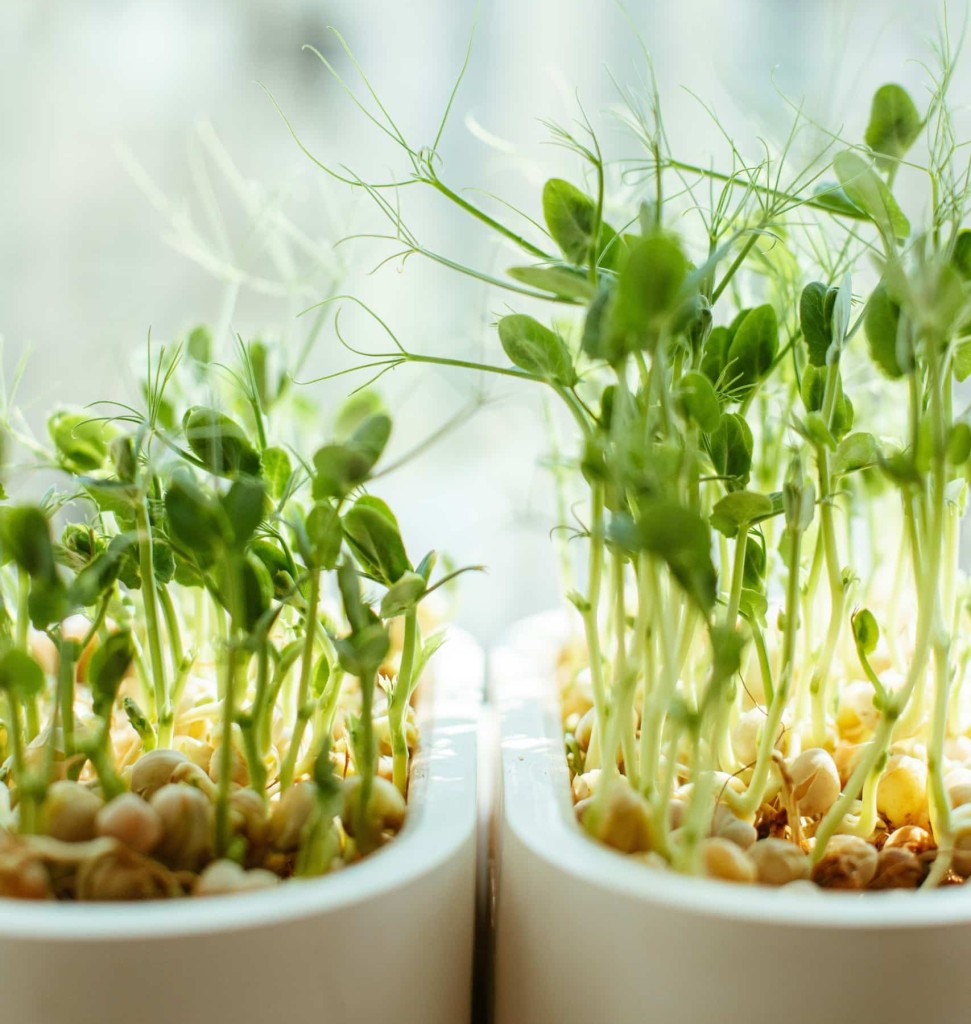
If you are already familiar with sprouted seeds, please become more acquainted with them; if you are not, consider this a friendly introduction to this plant powerhouse.
A 2022 article from the American Heart Association featured this comment from Dr. Emily Ho, nutrition professor and director of the Linus Pauling Institute at Oregon State University in Corvallis: “You can eat 50 cups of broccoli or a single cup of broccoli sprouts for similar nutrition and benefit.”
So, while it may seem counterintuitive that plants that are not fully developed could make a significant contribution to a healthy diet, this is absolutely the case with sprouted seeds. Eating miniature sprouts, five to seven days old, can offer mega nutritional benefits because the sprouting process can increase the availability and absorption of beneficial compounds, minerals and vitamins.
Sprouts are functional whole foods and considered “nutrient-dense” in their ability to support health, prevent disease and manage chronic illnesses.
Know your sprouts
— Bean and pea sprouts, such as lentil, adzuki, garbanzo, soybean, mung bean, black bean, kidney bean, green pea and snow pea sprouts.
— Sprouted grains, such as brown rice, buckwheat, amaranth, kamut, quinoa and oat sprouts.
— Vegetable or leafy sprouts, such as radish, broccoli, beet, mustard green, clover, cress and fenugreek sprouts.
— Nut and seed sprouts, such as almond, radish seed, alfalfa seed, pumpkin seed, sesame seed or sunflower seed sprouts.
Love your sprouts
— Sprouts support digestion and may reduce intestinal gas.
— They’re a great source of vitamins, minerals and other nutrients: C, K, B, fiber, folate, magnesium, phosphorus, manganese and antioxidants.
— They have more nutrients per serving than unsprouted plants.
— Sprouts can support the management and prevention of diabetes, cancer, high cholesterol and atherosclerosis. They can even help with aging! (You should, of course, talk to your doctor about sprouts and how they can support your current treatment plan.)
Find your sprouts
— They’re often found in grocery stores and farmers markets.
— Sprouts are already commonly used in Asian and vegetarian diets.
— The taste of sprouts may be more tolerable (with a slightly sweeter taste) for people who do not like the taste of cruciferous vegetables, which can taste bitter due to naturally occurring sulfur.
— Sprouts add diversity of taste, color and texture to meals.
— They can be grown year-round at home, indoors and outdoors.
— Sprouts are simple and inexpensive, but they do require some maintenance.
Watch your sprouts
— Special populations, including young children, older adults, those who are pregnant and those with weakened immune systems, should use caution due to potential contamination with salmonella and E. coli.
— Before sprouting, sanitize seeds with undiluted vinegar or apple cider vinegar.
— Wash your hands properly before preparing sprouts.
— Be mindful that overcooking may slightly decrease the nutritional value.
— If store-bought, buy chilled and keep refrigerated at home; check the expiration date, quality of the sprouts and rinse before eating.
— Sprouts from the nightshade family are toxic and should not be eaten (potatoes, eggplant, tomatoes, peppers and melons).
Consider, too, that microgreens — the immature forms of common leafy vegetables (in between sprouts and baby greens) — are also nutrient-dense. While they may cost a little more, their safety profile is slightly better than that of sprouts. Bottom line: They’re not just a garnish, so use them generously to complement your meals.
You can supercharge any meal by sprinkling some sprouts. Be curious and creative by adding them to your favorite salad, sandwich or stir-fry, or try incorporating them at breakfast (on avocado toast or in scrambled eggs or an omelet), at lunch (in chicken salad, tuna salad or pimento cheese) or at dinner (think tacos, pizza or beans).
Use this article as a springboard to get “Sprouty With It,” and may you be motivated to care deeply about your health and inspired to share this information widely with family and friends.
After all, food is medicine — and sprouts are tiny friends with big benefits.
Keisha R. Callins is an OB-GYN and professor at the Mercer University School of Medicine. Nada Mays is a registered dietitian and chef.
Related Articles

New podcast to offer locals a taste of Macon
The Melody’s food columnist Billy Hennessey will be launching a brand-new podcast in partnership with Visit Macon and 100.9 The Creek.

Five things we must never forget
In the midst of our forgetfulness, what should we strive to remember?

Newt Collier reflects on 81st birthday, the late Alan Walden, why Macon needs a music district and more
Today, Newton Collier is an ambassador for Macon, an active community volunteer, a beloved grandfather figure in music and an electronic trumpet player.