
The Need for pollinators in Middle Georgia
When planting crops in the ground, it is important to consider adding pollinator-friendly plants to your garden to attract these beneficial species.
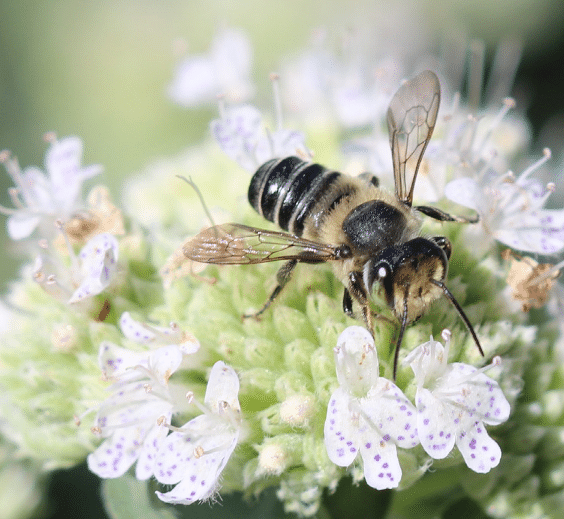
As color fills Middle Georgia and gardeners begin preparing for spring crops, there is an important step that is essential to healthy gardens. Native flowers are not just decorative additions to our landscapes; they play a vital role in supporting biodiversity. Pollinators are responsible for fertilizing many flowering plants. In fact, one out of every three bites of food we eat depends on pollinators. Without them, many fruits, vegetables, nuts, seeds and wild plants would not bloom or produce.
When planting crops in the ground, it is important to consider adding pollinator-friendly plants to your garden to attract these beneficial species.
What’s the buzz about?
Why are pollinator gardens important? Planting a diverse selection of flowering plants provides the nectar, pollen and shelter that bees, butterflies, hummingbirds, beetles and moths need to survive. Pollinators move pollen between plants and fertilize crops, which leads to higher crop production and improved quality.
Additionally, planting a variety of species supports biodiversity, which increases resilience in gardens and landscapes. Diverse plantings can help crops better withstand temperature changes, heavy rain and pest pressure.
Native and necessary
Planting native species is important because they are adapted to the local climate, soils and wildlife of Georgia. Native plants support pollinators and other beneficial organisms that rely on them for food and habitat. By choosing plants that are already suited to the environment, gardeners help maintain the balance of local ecosystems.
Here are some recommended pollinator-friendly plants for Middle Georgia during the spring:
— Eastern Red Columbine (Aquilegia canadensis)
— Blue Wild Indigo (Baptisia australis)
— Golden Alexander (Zizia aurea)
— Milkweeds (Asclepias incarnata)
— Spiderwort (Tradescantia virginiana)
— Purple Coneflower (Echinacea purpurea)
— Herbs such as basil, lavender, and rosemary
Pollinator gardens are not only beautiful but also serve an important role in supporting healthy ecosystems. Unfortunately, pollinator habitats are declining due to development and habitat loss. Gardeners can play an important role in helping protect the species that benefit our food systems and natural environments.
If you have questions about pollinator-friendly plants or creating a pollinator garden, contact your local UGA Extension office. For more information about supporting pollinators in Georgia landscapes, read the University of Georgia Extension publication.
The final class in a three-part vegetable gardening series is coming up at 6 p.m. Tuesday, March 10. The class is taught by Bibb master gardeners at the Washington Memorial Library. Call 478-310-2130 to register.
If you have other gardening or landscape questions, call Bibb County Extension at 478-310-5350 or email us at bibb.extension@uga.edu.
Before you go...
Thanks for reading The Macon Melody. We hope this article added to your day.
We are a nonprofit, local newsroom that connects you to the whole story of Macon-Bibb County. We live, work and play here. Our reporting illuminates and celebrates the people and events that make Middle Georgia unique.
If you appreciate what we do, please join the readers like you who help make our solution-focused journalism possible. Thank you
Related Articles
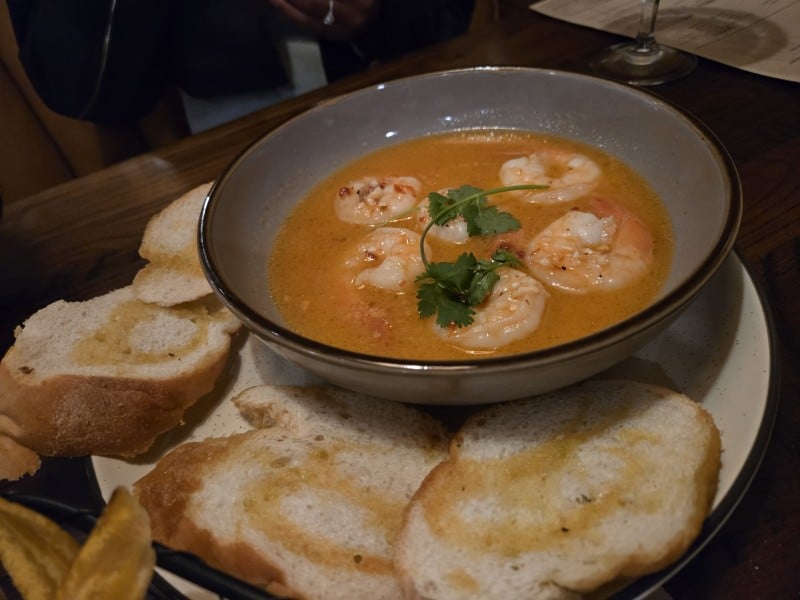
Vida Latin Kitchen: new restaurant serves authentic Cuban, Latin food
Macon’s new Vida Latin Kitchen reflects how many Latin cultures approach food — meals are meant to be enjoyed slowly, surrounded by conversation and community.
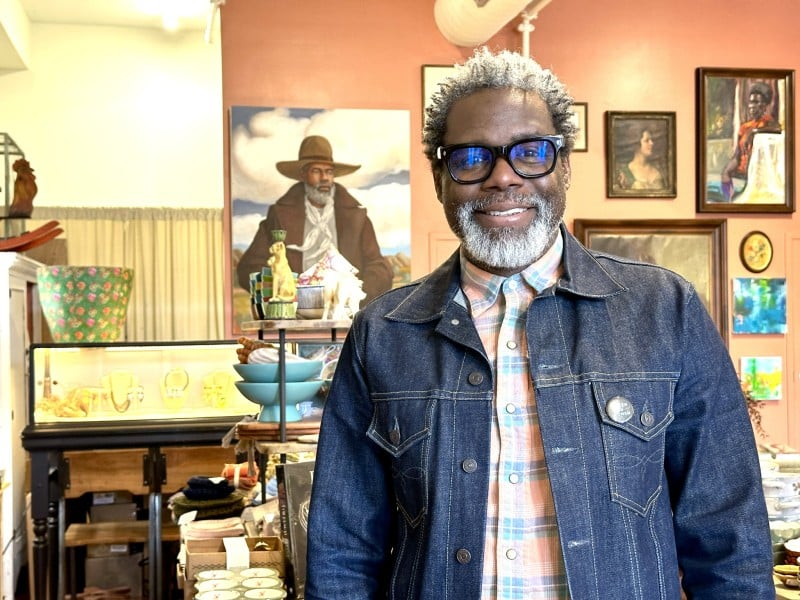
‘Layers of Becoming’ exhibit reimagines the Black experience
Macon-based artist and local boutique owner Cedric Smith will be featured in a new exhibit at Wesleyan College Leadership Lab’s gallery.
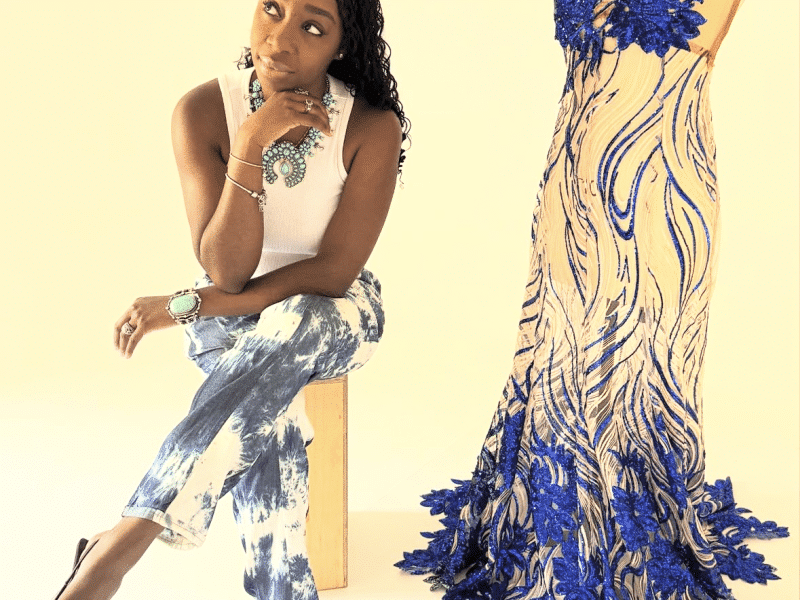
Macon fashion designer featured in new Barnesville exhibit
Lamar Arts’ newest exhibit highlights several artists working at the intersection of fashion and fine art, including one Macon-based designer.