
Aging stormwater system, growing county have MWA playing catch-up
No end in sight for Macon’s stormwater issues. Here’s why.
Water has always drawn people to the banks of the Ocmulgee River — Indigenous settlers thousands of years ago, Europeans who established Macon in 1823 and generations since.
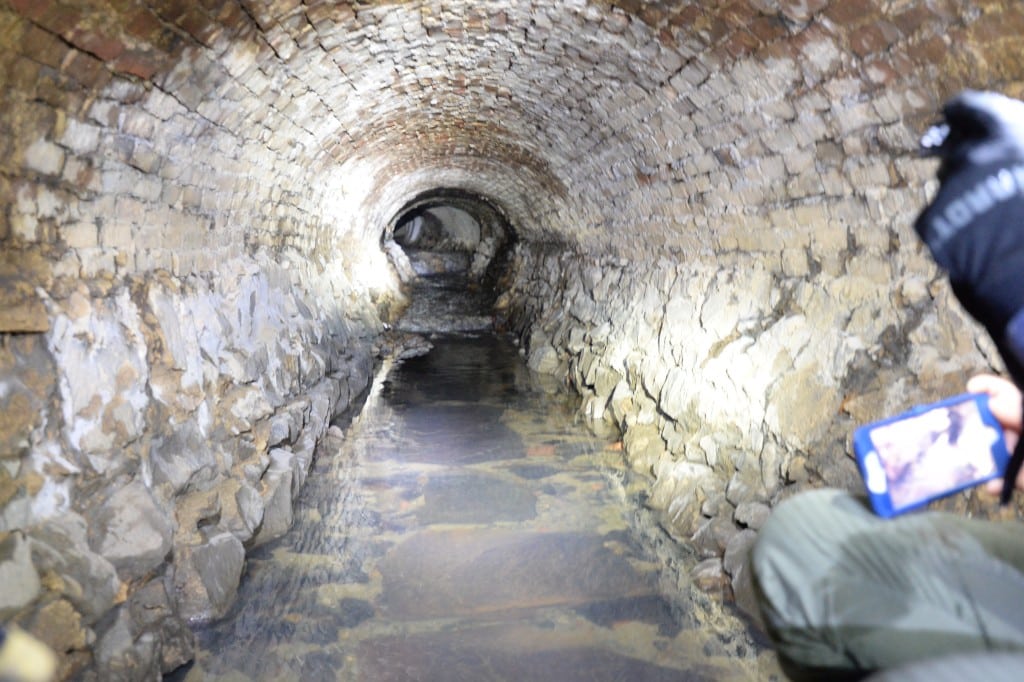
As the local population grew, so did the infrastructure built to manage its water supply. Now a significant portion of it — from brick culverts to terracotta pipes — is failing.
For years, Bill Causey, a former engineer for the city of Macon, worked to map all of the drainage pipes, catch basins, ditches and storm drainsso the city could comply with a 1990 federal law requiring towns with populations of 100,000 or more create detailed stormwater management plans to direct and treat rainwater runoff, preventing flooding, reducing erosion and protecting water quality.
“It’s a huge undertaking,” said Causey, who still does consultant work on behalf of Macon-Bibb County.
When the U.S. Environmental Protection Agency inspected the county’s compliance with its stormwater permit in 2017, it found numerous violations, including that “approximately 30% of the city of Macon’s geographic area had not been inventoried or mapped.”
In a 2019 consent order, the county agreed to pay $145,000 for the violations.
In 2021, the county transferred ownership of and maintenance responsibilities associated with stormwater infrastructure to the Macon Water Authority.
READ MORE: A disaster shaped Macon’s water system — and the work continues decades later
The work to map all of the city’s drainage pipes and stormwater infrastructure is still ongoing, interim MWA Executive Director Michel Wanna said.
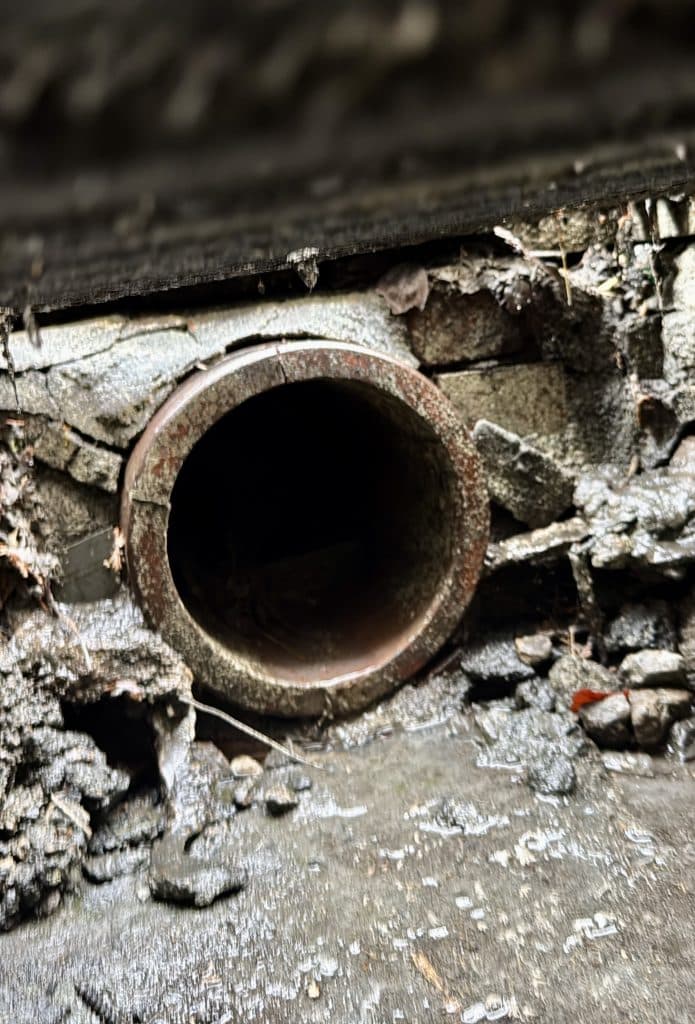
The authority hired an engineering company to assess the conditions of the infrastructure and complete the inventory.
“When we took the system over, we needed to understand what the system looked like,” Wanna said. “And really, it’s a challenge. It is 200 years old.”
MWA’s Director of Stormwater Marvin Land has a team of 33 people who are responsible for all things stormwater.
“We’ve got 26,000 catch basins … 14 public detention ponds …. 1,200 miles of ditches … 800 miles of pipe,” Land said. “We sweep the (rights of ways). We got 1,088 curb miles that we sweep and 48 bridges. It’s a lot.”
Land said the biggest challenge his department faces is “just overwhelming system failure.
“We’ve got brick culverts downtown that are almost 200 years old, and they’ve lived their lifespan,” Land said. “You’ve got terracotta pipe that has been there about as long and it’s got a 75-year lifespan.”
In an effort to cover some of the costs that come with maintaining stormwater infrastructure, the authority began tacking on a $4.99 stormwater fee to residential customers’ bills in 2022.
In meetings late last year, MWA board members voiced concerns about the untold number of large customers that owe hefty sums to the authority for outstanding stormwater fees. Industrial and commercial customers — such as hospitals, manufacturers and universities — are supposed to pay $4.99 per every 2,200 square feet of impervious surface on their properties.
The MWA relies on tax assessors to get information on square footage of impervious surfaces for those customers, Wanna said.
“We’re getting them, and we’re looking into them,” he said.
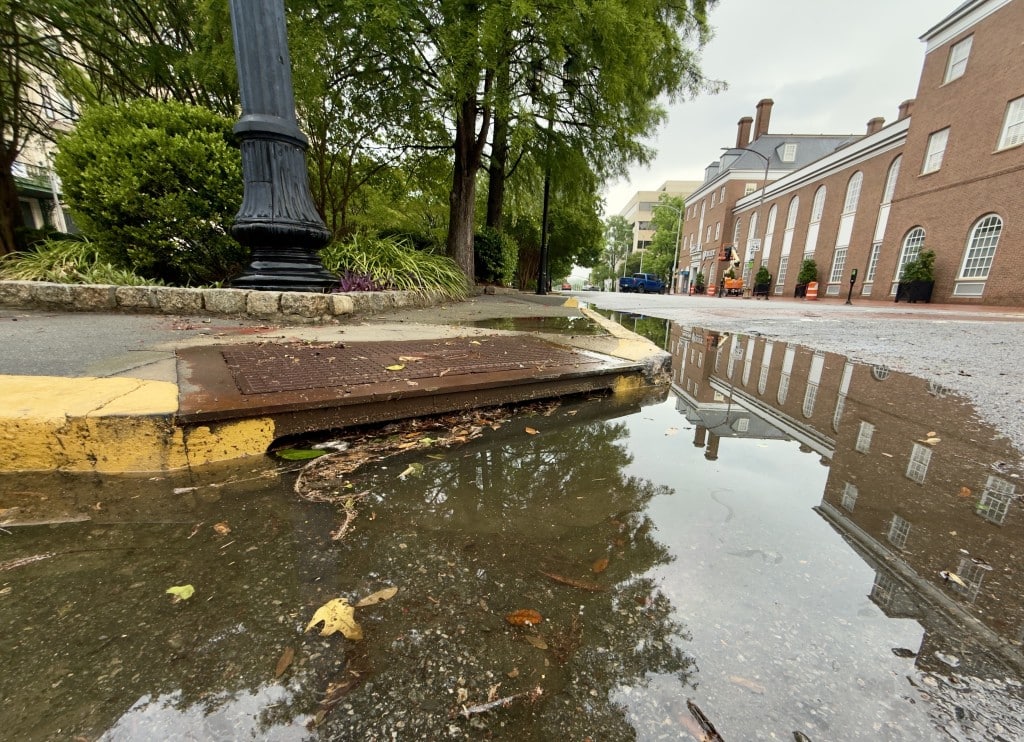
The stormwater issue is far from a quick fix, especially as Macon grows and the authority works to catch up on some long-deferred and expensive maintenance projects while also planning for future growth.
“Macon used to be smaller — less people, less concrete, less asphalt,” Wanna said. “Now [there is] more concrete, more asphalt and more buildings to accommodate people. This is also the challenge of the system.”
The geography of Macon straddles an ancient shoreline where the foothills of the Appalachian Mountains meet the coastal plains. The Fall Line, as it is called, also presents a unique challenge: lots of silt.
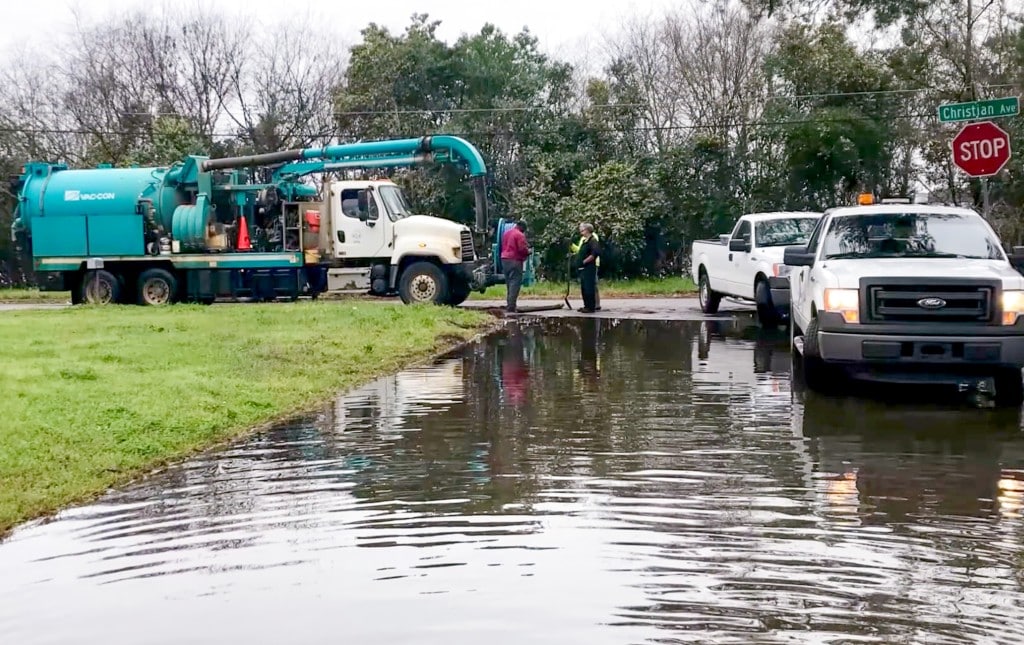
“When the river levels go up, it pushes water backwards, up creeks and up drainage systems, and it pushes all that silt,” Causey said. “And then when the river goes down, it leaves that silt behind. A constant cleanup usually follows a flooding event.”
The engineer said he believes stormwater problems in Bibb County will persist indefinitely.
“We’ll always have them because we’re an old city and there’s only so much you can do,” Causey said, adding that maintenance is key.
Before you go...
Thanks for reading The Macon Melody. We hope this article added to your day.
We are a nonprofit, local newsroom that connects you to the whole story of Macon-Bibb County. We live, work and play here. Our reporting illuminates and celebrates the people and events that make Middle Georgia unique.
If you appreciate what we do, please join the readers like you who help make our solution-focused journalism possible. Thank you
Author

Related Articles
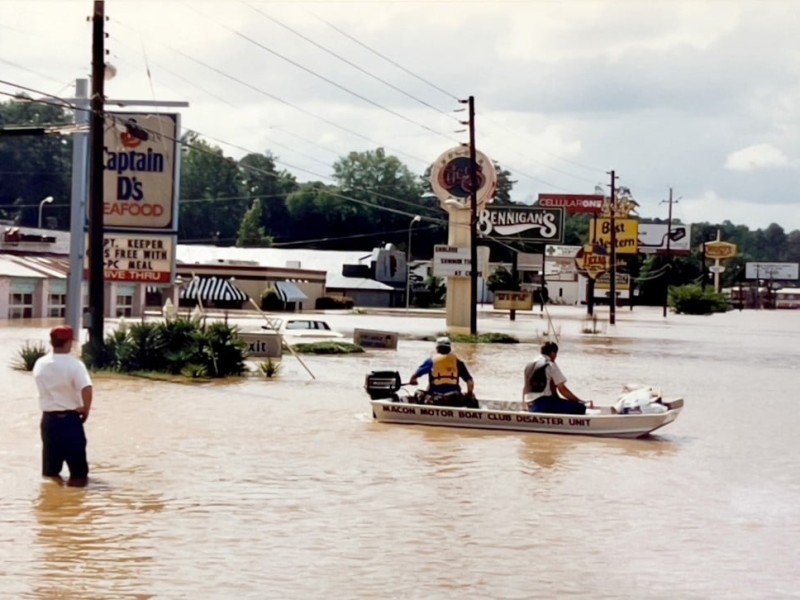
A disaster shaped Macon’s water system — and the work continues decades later
The Great Flood of ’94 helped shape how the Macon Water Authority provides water to customers.
Judge may review school settlement in Melody open records case in camera
The Macon Melody and Bibb County School District attended a court hearing Wednesday afternoon.
New homeless enforcement bill puts Macon on notice
The bill, which pushes cities to enforce existing laws related to homelessness, passed the Georgia Legislature this year.