
Nature’s tiny lanterns
Beyond their soft glow, fireflies play an important role in the environment, but they face growing threats from habitat loss and light pollution.
A new chapter for The Melody
Our team and coverage are moving to The Telegraph. Make sure you look for The Melody's community-first journalism as a section highlighting the people, places and moments that are the rhythm of Macon.
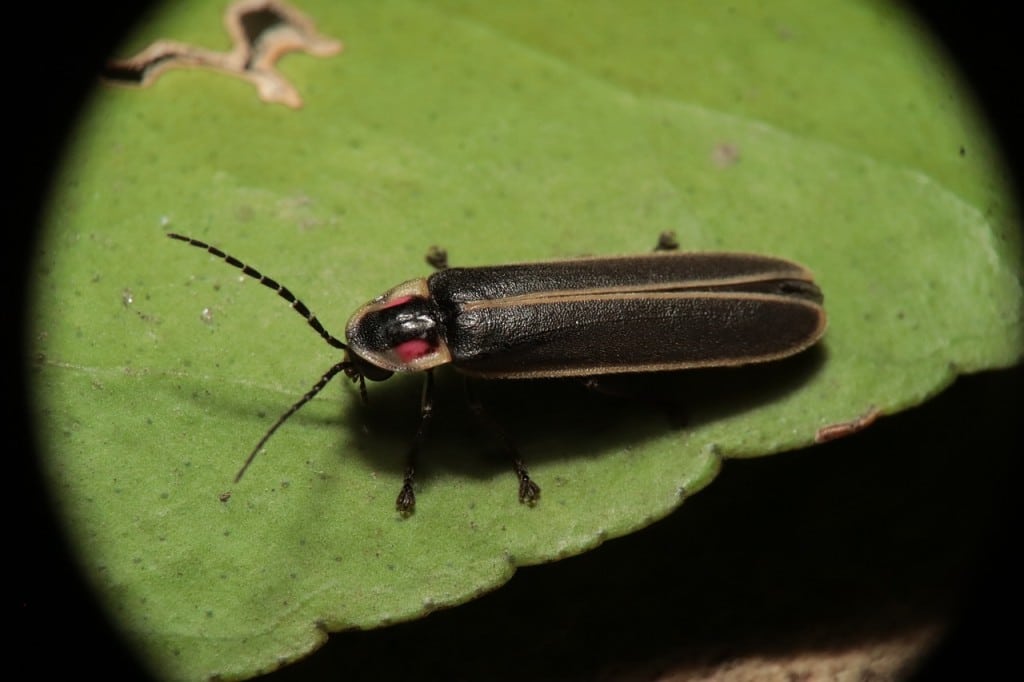
For many people, fireflies are woven into childhood memories of warm summer evenings spent chasing blinking lights through the grass, catching them in mason jars or watching them drift above the lawn from a porch swing. Fireflies, often called lightning bugs, are one of the South’s most recognizable signs of summer. Beyond their soft glow, these fascinating insects play an important role in the environment, though they now face growing threats from habitat loss and increasing light pollution.
Inside the glow of a firefly
Despite their name, fireflies are not actually flies at all. They are beetles belonging to the Lampyridae family. Their famous glow comes from a natural chemical reaction inside their bodies called bioluminescence. Unlike a light bulb, a firefly’s glow produces almost no heat. Scientists refer to this as “cold light,” meaning very little energy is lost as heat, making a firefly’s glow far more energy efficient than many manmade light sources.
Each firefly species has its own unique flash pattern, almost like a tiny Morse code signal blinking across the yard. Not all fireflies glow the same color either. Depending on the species, their light may appear yellow, green or even pale orange. Some firefly larvae glow as well, earning them the nickname “glowworms.”
Scientists believe fireflies originally developed their glow as a warning to predators, signaling that they may be toxic or unpleasant to eat. Over time, that same glow also became an important form of communication. Each species produces its own unique flash pattern to attract potential mates. Some species flash while flying, while others remain low to the ground or perch quietly in tall grass waiting to respond.
Fireflies in Middle Georgia
Georgia happens to be an excellent place for fireflies, with more than 50 known species recorded across the state, more than any other state in the country. Firefly populations thrive in Middle Georgia landscapes thanks to the region’s moisture, leaf litter, tall grass, wooded edges and low levels of artificial light.
While adult fireflies steal the spotlight during summer evenings, most of their lives are spent hidden from view. Before reaching adulthood, firefly larvae can live in soil and leaf litter for up to two years, where they serve as active predators feeding on slugs, snails and other small invertebrates.
Some adult fireflies also contribute to pollination while visiting flowers, adding another layer to their ecological importance. Because fireflies depend on clean water, healthy soil, and undisturbed habitat to survive, their presence is often considered a sign of a healthy environment.
Keeping summer nights bright
Unfortunately, fireflies face growing challenges. One of the greatest threats to fireflies is habitat loss. As forests, fields and other natural areas are cleared for development, fireflies lose the moist soil, leaf litter and tall grasses they rely on throughout their life cycle. Light pollution is another growing concern, as artificial outdoor lighting can disrupt the flash signals fireflies use to communicate and locate mates.
Fortunately, homeowners can help support fireflies in their own landscapes. Leaving some leaf litter in garden beds, planting native vegetation and allowing parts of the yard to remain a little “wild” can make a big difference. Turning off unnecessary outdoor lights during summer evenings also helps preserve the nighttime conditions fireflies need.
For many Georgians, fireflies aren’t just insects, but a bit of summer magic. By protecting natural habitats and reducing outdoor lighting, homeowners can help these insects thrive and continue lighting up Georgia nights for many generations to come.
Morgan Durden works for the University of Georgia Cooperative Extension Service in Bibb County. The county office provides resources for gardeners as well as educational services and community support. Visit their office at 715 Oglethorpe Street, call them at 748-310-5350 or email their staff at [email protected].
Related Articles

New podcast to offer locals a taste of Macon
The Melody’s food columnist Billy Hennessey will be launching a brand-new podcast in partnership with Visit Macon and 100.9 The Creek.

Five things we must never forget
In the midst of our forgetfulness, what should we strive to remember?

Newt Collier reflects on 81st birthday, the late Alan Walden, why Macon needs a music district and more
Today, Newton Collier is an ambassador for Macon, an active community volunteer, a beloved grandfather figure in music and an electronic trumpet player.