
Beyond what we see. Understanding visible, invisible disabilities
Many disabilities are invisible. Yet they can profoundly affect a person’s daily life, influencing everything from work and relationships to routine daily activities.
A new chapter for The Melody
Our team and coverage are moving to The Telegraph. Make sure you look for The Melody's community-first journalism as a section highlighting the people, places and moments that are the rhythm of Macon.
“The woman standing in line at the grocery store may look perfectly healthy. The man walking through the park may appear to have no limitations at all. Yet both could be living with disabilities that are invisible to everyone around them.”
What we see on the outside rarely tells the whole story.
When many people hear the word disability, they often picture something they can immediately see — a wheelchair, a white cane or a walker. While those images certainly represent some disabilities, they tell only part of the story.
Many disabilities are invisible. Conditions such as hearing loss, epilepsy, autism spectrum disorder, multiple sclerosis, autoimmune diseases, chronic pain, mental health conditions and countless others may not be obvious to those around us. Yet they can profoundly affect a person’s daily life, influencing everything from work and relationships to routine daily activities.
More than meets the eye
Each July, Disability Pride Month reminds us to celebrate the resilience, accomplishments and contributions of individuals living with disabilities. More importantly, it challenges us to continue building communities rooted in inclusion, accessibility and respect long after the month has ended.
“Disability is one part of a person’s life, not the whole of their identity,” says Juliette Simpson, LCSW, chief client services officer at AllHealth CHOICE. That simple statement reminds us that a diagnosis should never define a person’s worth, potential or purpose. As a nurse practitioner, one lesson has remained constant throughout my career: appearances rarely tell the whole story.
I’ve cared for patients who looked perfectly healthy on the outside while quietly managing chronic illnesses, mobility challenges or conditions that required tremendous strength simply to navigate everyday life. Their experiences have reminded me that we should never assume we know someone else’s story based solely on what we can, or cannot, see.
Choosing compassion over assumption
One of the greatest gifts we can offer another person is understanding. That understanding begins by replacing assumptions with curiosity, judgment with compassion, and impatience with grace. We should “assume ability,” Simpson said. Too often, we assume what someone can or cannot do based solely on what we observe. Instead, let’s begin by assuming ability, asking respectful questions when appropriate and recognizing that disability is only one part of a person’s story — not the whole story.
Sometimes inclusion is found in the smallest gestures, such as asking someone how you can help rather than assuming they need help, allowing extra time without frustration or simply listening without minimizing another person’s experience.
Not every disability requires visible accommodations, and not every challenge is immediately apparent. A simple act of kindness, patience or understanding may mean more than we realize.
The next time we encounter someone whose experience we don’t fully understand — whether it’s using an accessible parking space, requesting an accommodation or simply moving through the world differently — let’s pause before rushing to judgment. We rarely know the challenges another person carries.
The role of healthcare and community
Healthcare professionals have an important responsibility in fostering inclusion.
“Healthcare begins by listening. Person-centered care means seeing the individual before the diagnosis,” said Eshonda Blue, RN and chief executive officer of Innovative Senior Solutions.
Person-centered care involves listening carefully, asking patients about their goals and preferences, adapting communication when necessary, and recognizing that every patient deserves dignity, respect and the opportunity to actively participate in decisions about their care. But creating an inclusive community isn’t solely the responsibility of healthcare providers. It belongs to all of us — as neighbors, teachers, family members, friends, employers, faith communities and local organizations.
Whether it’s improving accessibility, creating welcoming spaces, inviting individuals with disabilities to participate fully in community life or offering practical support to caregivers, each of us has the power to make someone feel seen, valued and included.
A community that includes everyone
Disability is more common than many people realize. Whether through aging, illness, injury or a lifelong condition, most of us will either experience disability ourselves or love someone who does.
For many families, that journey also includes the quiet dedication of caregivers who coordinate appointments, medications, therapies, transportation and daily care while often placing their own needs last. Recognizing and supporting caregivers is another important way we build stronger, more inclusive communities.
Perhaps the greatest reminder Disability Pride Month offers is this: every person has value, every person deserves respect and every person’s story matters. As healthcare professionals, neighbors, friends and members of our communities, we all have the opportunity to make a difference. Sometimes the most meaningful way to support someone isn’t by trying to fix what we don’t understand — it is simply choosing to see one another with kindness, empathy, dignity and an open heart.
Every act of kindness, every moment of patience and every effort to make someone feel included helps build a healthier, stronger community for us all. Because every person deserves to be seen, heard and valued — not because of their abilities, but because of their humanity.
Healthy reminder: Not every disability is visible. Choosing patience, compassion and understanding can help create a more welcoming and inclusive community for everyone.
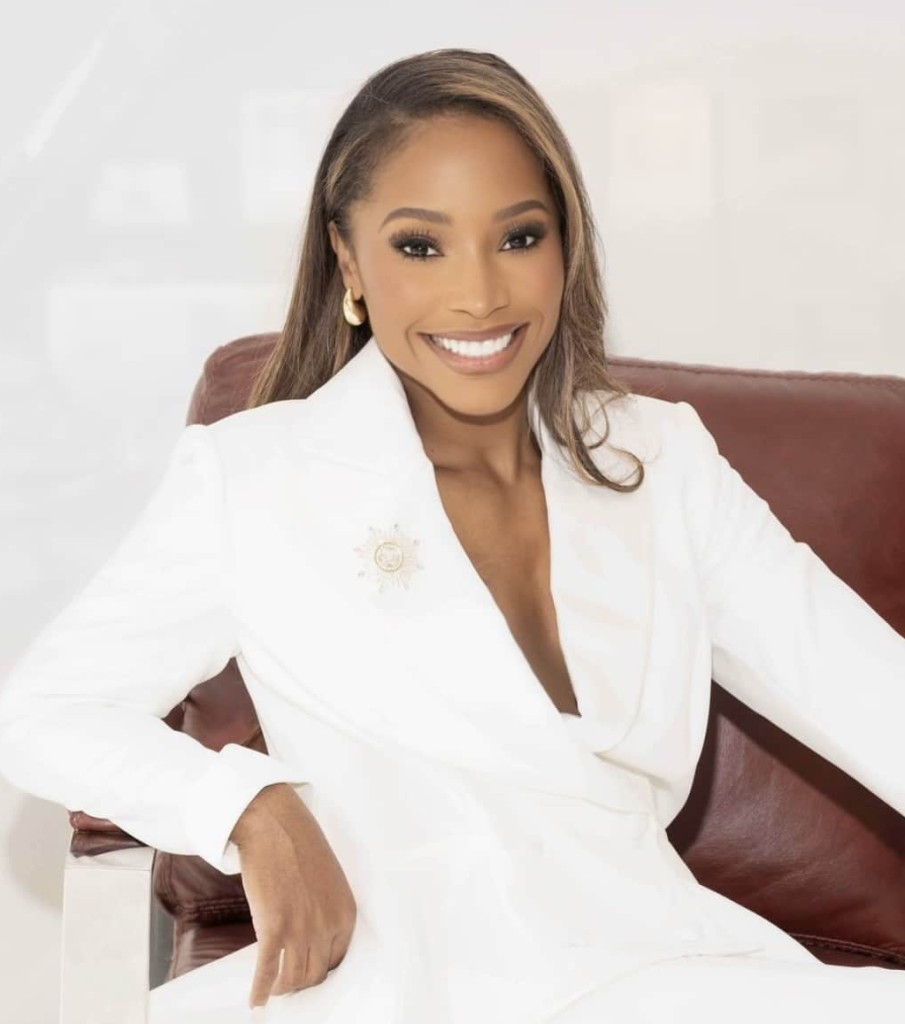
Joy King, DNP, MBA, APRN, NP-C, FAIHM, serves as president of the Georgia Nurses Association.
Related Articles

New podcast to offer locals a taste of Macon
The Melody’s food columnist Billy Hennessey will be launching a brand-new podcast in partnership with Visit Macon and 100.9 The Creek.

Five things we must never forget
In the midst of our forgetfulness, what should we strive to remember?
Newt Collier reflects on 81st birthday, the late Alan Walden, why Macon needs a music district and more
Today, Newton Collier is an ambassador for Macon, an active community volunteer, a beloved grandfather figure in music and an electronic trumpet player.