
Caring for a healthy, green lawn for spring
Many of us want to have a beautiful, healthy green lawn; so, what needs to be done now to obtain it?
Signs of spring are all around us — warmer days, yellow pollen on windshields (and everywhere else), flowering trees, azaleas and the greening-up of grass. Many of us want to have a beautiful, healthy green lawn; so, what needs to be done now to obtain it?
Much of what is green in lawns now are cool-season annual weeds. The good news is that they will die as the temperatures rise. The bad news is they are producing lots of seeds that will result in more weeds next winter. Our warm season turfgrasses (Bermuda, zoysia, centipede, and St. Augustine) are most susceptible to herbicide injury as they “green-up”. It is not worth the risk of injury, as herbicides are less effective on mature weeds. In the meantime, mowing is the best weed control. Be sure to use a grass bagger to catch weed seeds.
Take photos or make a note of the weeds in your yard now. This will allow you to be pro-active in September and October with a pre-emergence herbicide application. The timing of this application will control weeds as they begin to emerge in late fall into winter.
At this time of year, “weed and feed” products are widely marketed. However, according to UGA turf scientists, these combination products are a problem for warm season grasses. These two tasks should be done at different times. Pre-emergent herbicides should be applied either during late winter for summer annual weeds or early fall for winter annual weeds. However, fertilizers should be applied when the soil temperature warms, ideally May-August. In other words, be sure to avoid those spring marketing campaigns.
In general, the best time in Middle Georgia to make the first application of fertilizer is not until May 1. The soil will be warm enough that the turf roots can effectively absorb the nutrients. If applied too early, fertilizer can wash away or leach through the soil.
When it is time to fertilize, it is best to follow soil test recommendations. To get a good sample, use a hand trowel to take “soil profile slices” from the top of the soil to at least 4 inches deep. Mix the samples from about ten random places together in a clean bucket, removing rocks and grass debris. Bring a sandwich-size bag of soil to the Bibb County Extension office. For a fee of $8, the sample will be sent to the soil lab in Athens and the results returned to you in 7-10 business days.
UGA Extension has developed turfgrass calendars that give guidance on lawn care activities according to variety. Use the calendars to find the one that is best for your lawn, and get a good head start achieving a beautiful, healthy lawn this spring.
If you have any questions about lawns or other gardening topics, please don’t hesitate to contact us. You can reach the Bibb County Extension Office at 478-751-6338 or email us at bibb.extension@uga.edu
Kathy Hensley is a Program Assistant with Bibb County Cooperative Extension. She facilitates the Bibb County Master Gardener program and helps homeowners with gardening and landscape questions.
Before you go...
Thanks for reading The Macon Melody. We hope this article added to your day.
We are a nonprofit, local newsroom that connects you to the whole story of Macon-Bibb County. We live, work and play here. Our reporting illuminates and celebrates the people and events that make Middle Georgia unique.
If you appreciate what we do, please join the readers like you who help make our solution-focused journalism possible. Thank you
Related Articles
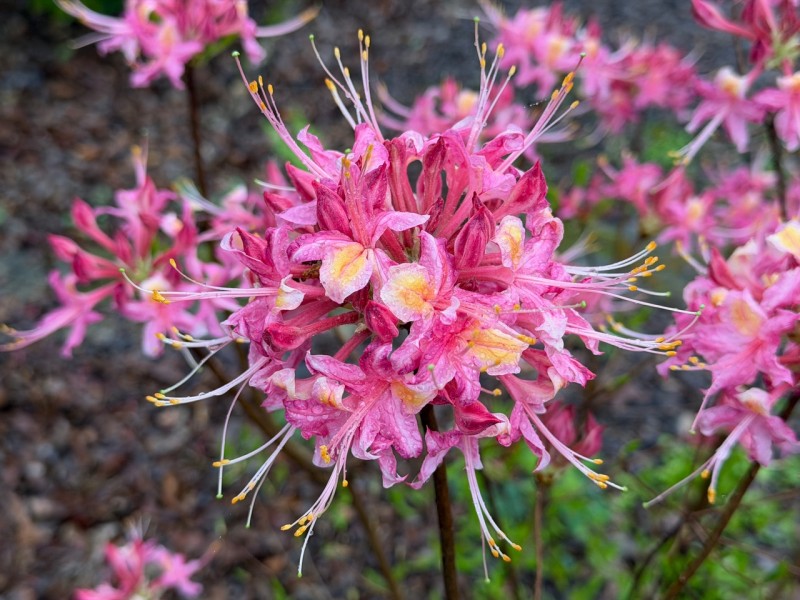
A parade of color: the magic of native azaleas
With careful planning and species selection, one can have native azaleas blooming from March into September in Georgia.

Gallery West to close doors, ‘reSISTERS’ exhibit opens at Macon Arts Alliance
Macon artist She Keene’s exhibit, “reSISTERS,” focuses on heroes of the women’s right-to-vote movement.
A local gallery will close its doors at the end of May.
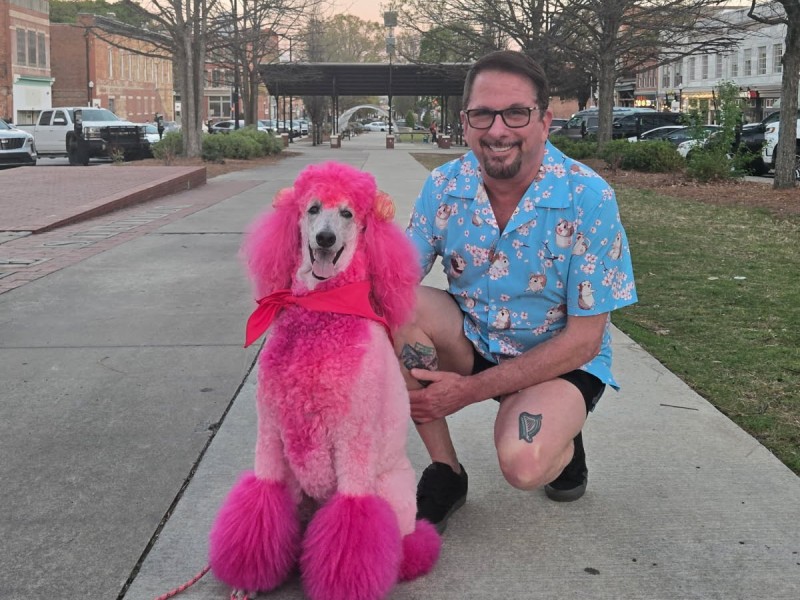
Billy dishes on Food Truck Frenzy and supporting local businesses
While the Cherry Blossom Festival brings in visitors from all over, it is also powered by the people who live here. The families, the workers, the small business owners and the locals who show up year after year to support what makes Macon special.