
Meeting your plants’ water needs
Learn how to ensure that your plants and summer landscape are receiving the right amount of water.
A new chapter for The Melody
Our team and coverage are moving to The Telegraph. Make sure you look for The Melody's community-first journalism as a section highlighting the people, places and moments that are the rhythm of Macon.
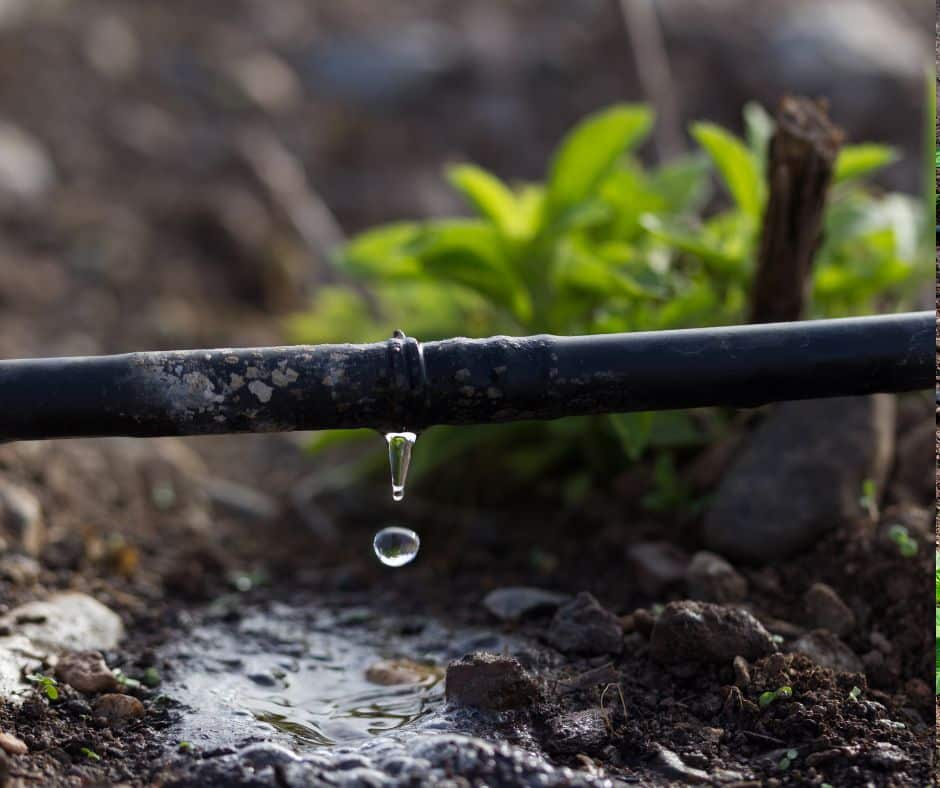
Water is a constant topic in the garden and landscape. The days are few and far between that Mother Nature hits it just right. While we had a run of wet weather over the last few months, it now seems like we are entering a stretch where the rain showers are scarce. When managing the water needs of your plants, there are a few things to consider.
First, determine if it is really time to water. We do more damage by applying too much water rather than too little. Keep in mind that the roots of most plants are healthiest when the soil is allowed to dry slightly between watering. It is easy to do a quick touch test with the tip of your finger to see if you detect moisture. Sometimes plants will clue us in when their leaves begin to wilt slightly. Remember, though, this can also be a sign of a root disease caused by overwatering. Our turfgrass specialist tells us when footprints are noticeable in the lawn, this should be a prompt to water.
The general rule of thumb is that plants need about an inch of water, once per week. However, it is better to water them less frequently and provide deeper watering. This promotes deep, healthy root growth. Of course, your frequency will need to be tweaked based on your soil type and plants. Sandier soil and potted plants tend to dry out more quickly. Light, frequent irrigation is discouraged as it will produce a shallow, weak root system.
Determine the time it takes to distribute an inch of water in your yard. This can be easily done by placing rain gauges or even cat food cans throughout the garden (or lawn) to see how long it takes to fill them with an inch of water. This allows you to estimate the length of time to run the irrigation system.
Monitoring irrigation patterns is crucial to ensure sprinklers are effectively wetting the grass and not the gutter, pavement or the neighbor’s grass. An adjustment of the heads may be necessary so that no water is wasted. Additionally, check your system for leaks and call an irrigation specialist to correct any problems.
Application timing also affects water-use efficiency. Watering should take place between 9 p.m. and 9 a.m.. During this time, there is less wind, lower temperatures and therefore less water lost to evaporation. Also, irrigating during the evening after dew develops (9 p.m.) and before it dries in the morning (9 a.m.) prevents disease problems by minimizing the window of time that foliage remains wet.
Finally, install plants that require a higher amount of water, such as annuals, in beds together so supplemental water can be applied to targeted areas rather than the entire yard. One goal might even be to reduce the areas in your landscape that require more water and work toward increased natural areas utilizing native or low maintenance plants.
There are all kinds of user-friendly irrigation tools to utilize if you want to up your watering game. Drip irrigation, soaker hoses and inexpensive irrigation timers can automate some of the processes, reduce disease pressure and conserve moisture.
For more information, visit the UGA Extension publication page online.
If you have any gardening or landscape questions, contact us at 478-310-5350 or email us at [email protected].
Related Articles

New podcast to offer locals a taste of Macon
The Melody’s food columnist Billy Hennessey will be launching a brand-new podcast in partnership with Visit Macon and 100.9 The Creek.

Five things we must never forget
In the midst of our forgetfulness, what should we strive to remember?

Newt Collier reflects on 81st birthday, the late Alan Walden, why Macon needs a music district and more
Today, Newton Collier is an ambassador for Macon, an active community volunteer, a beloved grandfather figure in music and an electronic trumpet player.