
Upcoming photo exhibit offers glimpse into life of former Beatle John Lennon
John Lennon’s former companion will share photos of the late Beatle in an exhibit this weekend.
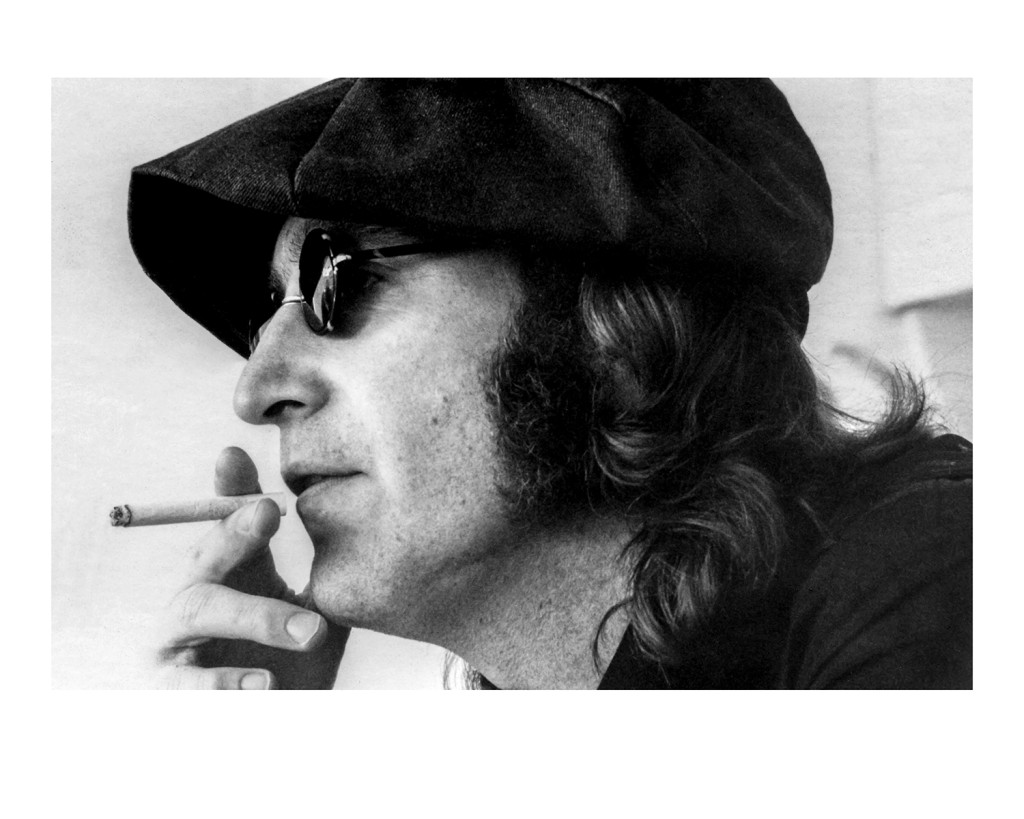
John Lennon’s 1970s confidant, friend and lover, May Pang, is bringing photos from her time with the former Beatle to Macon’s Gallery West this weekend for “The Lost Weekend: The Photography of May Pang.”
She’s also bringing her stories — and they’re fascinating.
For us baby boomers who lived through the era — and for newer fans of Lennon and The Beatles — the exhibit is a rare opportunity to see Lennon from Pang’s unique perspective. For others, it’s an opportunity to enjoy candid, artful photography from a key moment in music history.
I spoke with Pang earlier this month. Here are highlights from our conversation and background on her time with Lennon.
The term “Lost Weekend” comes from a 1945 film of the same name, widely used to describe Lennon’s time away from Yoko Ono with Pang. But the “weekend” was 18 months spanning from 1973-75, and the time was far from lost.
How it started
Having married in 1969, by the early ’70s Lennon and avant‑garde artist Ono’s marriage was in trouble. Hoping to salvage it, it’s well documented that Ono engineered a separation in which Pang — their personal assistant — would become Lennon’s companion.
Initially, Pang said she was shocked and refused the proposition.
In her book “Instamatic Karma,” she writes, “I kept telling her no, I would not go out with John. But apparently her mind was made up.”
Reluctantly, Pang relented. What followed was not a fling but a genuine love story.
May who? A rock ’n’ roll kid
Pang, the first-generation American-born daughter of Chinese immigrants, grew up in Manhattan’s Spanish Harlem as “a minority among minorities.” Added to that, her father neglected her and treated her harshly for not being a son.
“I was always treated like an outsider by my father,” Pang told me. “He would yell at me, ‘You’ve got to speak Chinese,’ if I spoke English. I would rebel against that.”
With an increasingly difficult home life, Pang found solace in rock ’n’ roll, like many kids of the 1950s and ’60s.
“The Bobby Rydells and Lou Christies, The Shirelles, Motown, The Drifters, The Beach Boys. The music spoke to me and that’s what I was listening to — until the British Invasion and The Beatles. Then the whole world turned upside down,” she said. “The Beatles changed everything. They changed the way bands played instruments and wrote their own songs. They changed fashion. They even opened our eyes to our American music and people like Chuck Berry and Little Richard.”
I told Pang Little Richard was from Macon, something she didn’t know.
Pang said she remembers telling a friend how much she loved The Beatles, only to hear, “They’re just a fad. They’ll be gone in six months.” In turn, she became defiant. “No, they won’t,” she responded. “And one day I’m going to work for them.”
A few years later, at 18 going on 19, she walked into the New York offices of Apple Records and bluffed her way into a clerical job, then worked her way into production assistant and other roles. Known as being bright and hardworking, within a couple of years, she became personal assistant to Lennon and Ono.
A productive and connected ‘Lost Weekend’
Pang said the myth of Lennon’s Lost Weekend being a nonstop blur of drinking and chaos obscures the truth. Admittedly, in California, there were a few well-publicized brawls and many nights out with the Hollywood Vampires, a drinking club formed by Alice Cooper with Harry Nilsson, Ringo Starr, Keith Moon and Micky Dolenz.
But most of the 18 months, split between California and New York, were stable, creative and domestic. Lennon emerged from seclusion and artistic frustration into one of his most productive post-Beatles periods.
He released three albums — “Mind Games,” “Walls and Bridges” and “Rock ’n’ Roll” — and scored the only No. 1 solo hit he saw in his lifetime, “Whatever Gets You Through the Night,” a duet with Elton John. “#9 Dream,” featuring Pang whispering “John,” also became a Top 10 hit. He wrote “Surprise, Surprise (Sweet Bird of Paradox)” about her.
Unlike walls of previous years, bridges were being built during Lennon’s time with Pang. Lennon produced an album for Harry Nilsson, and there were collaborations with David Bowie, George Harrison, Mick Jagger, Ringo Starr and others.
And then there’s Paul McCartney. Pang had been instrumental in the two reconnecting previously, and she and Linda McCartney had become friends. She encouraged further contact, which might have led to only dreamed‑of new work from the two.
“John was playing guitar one day and asked me if he should get together again with Paul, maybe even write some songs together,” Pang said. “I told him, of course you should.”
Arrangements were made to travel to New Orleans, where McCartney was recording “Venus and Mars.” However, before that could happen, Lennon returned to Ono and the trip did not materialize.
Perhaps most significantly, Pang helped Lennon reconnect with his first son Julian. I asked if this was made more meaningful by her understanding of a father’s neglect.
“Absolutely,” she said. “I saw Julian struggle when he hadn’t seen his father or spoken to him for years. That was horrible for me. It was great when, during John and my time together, I was able to make sure John called Julian every week.”
In New York, space was made for Julian in the apartment Lennon and Pang shared, and just before Lennon’s unexpected return to Ono, the two were planning on buying a house that included a bedroom for Julian. She said they’ve remained friends through the years. He used a picture she took of him as a boy on his album “Jude.”
As things later turned out, Julian was left nothing in Lennon’s will, though a settlement was reportedly reached years later.
The photographs
The exhibit highlights an iconic Lennon, but also homey, candid moments Pang captured simply because she enjoyed taking photos — and Lennon enjoyed her taking them, much like any couple enjoys documenting their life together.
Though that relationship ended, they continued seeing each other occasionally until Lennon’s death. Pang went on to build a successful career in music publishing and the recording industry. What if they had stayed together? One can only imagine.
She has published three now out-of-print books about her time with Lennon: “Loving John,” “John Lennon – The Lost Weekend” and “Instamatic Karma.” The documentary “The Lost Weekend: A Love Story” tells so much more than can be included here.
Pang’s work will be for sale, and she’ll sign items purchased this weekend. She’ll be at Gallery West Friday from noon to 7 p.m., Saturday from 11 a.m. until 5 p.m. and Sunday from noon until 4 p.m. A reception will be held Friday from 5 p.m. to 7 p.m.
Pang’s website is maypang.com.
Contact writer Michael W. Pannell at mwpannell@gmail.com. Find him on Instagram at michael_w_pannell.
Before you go...
Thanks for reading The Macon Melody. We hope this article added to your day.
We are a nonprofit, local newsroom that connects you to the whole story of Macon-Bibb County. We live, work and play here. Our reporting illuminates and celebrates the people and events that make Middle Georgia unique.
If you appreciate what we do, please join the readers like you who help make our solution-focused journalism possible. Thank you
Author
Related Articles
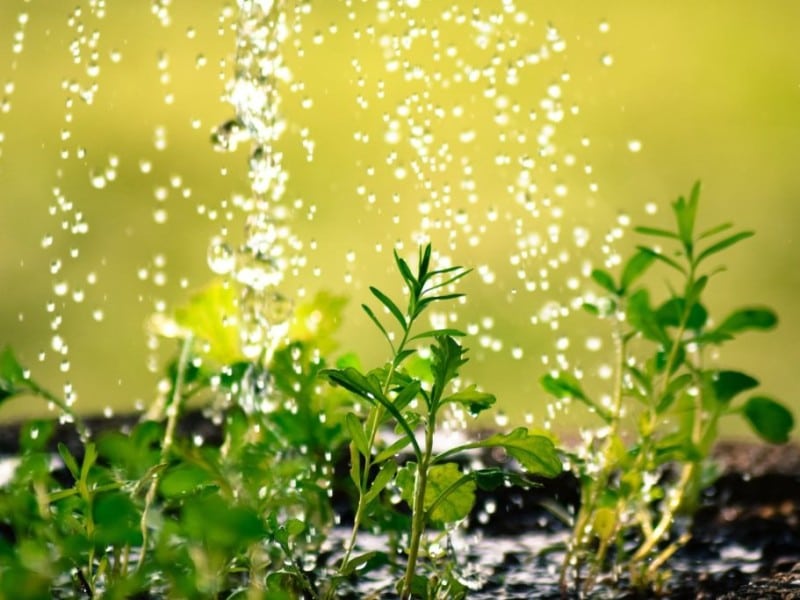
Irrigation tips for Middle Georgia’s dry conditions
A few soaking rains won’t fully reverse the dry soil conditions that have developed over months. With summer just around the corner, it’s a good time to revisit best practices for using water wisely.
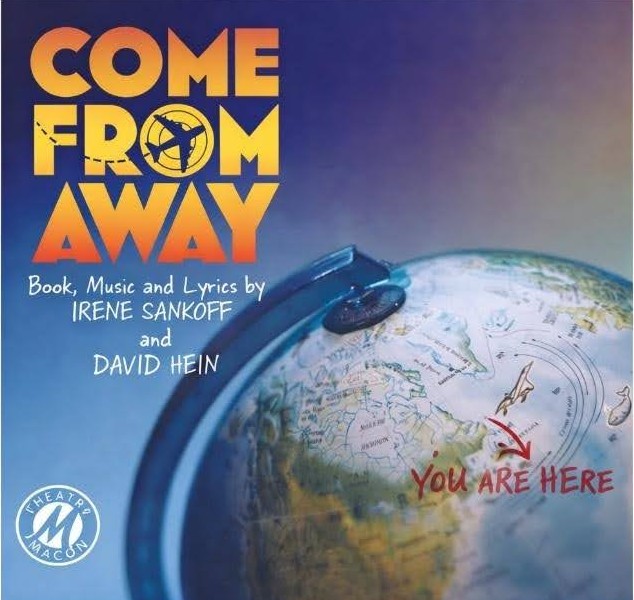
Get tickets for Theatre Macon’s benefit show in support of Middle Ga. food bank
Theatre Macon is hosting a benefit performance of “Come From Away” in support of the Middle Georgia Community Food Bank.
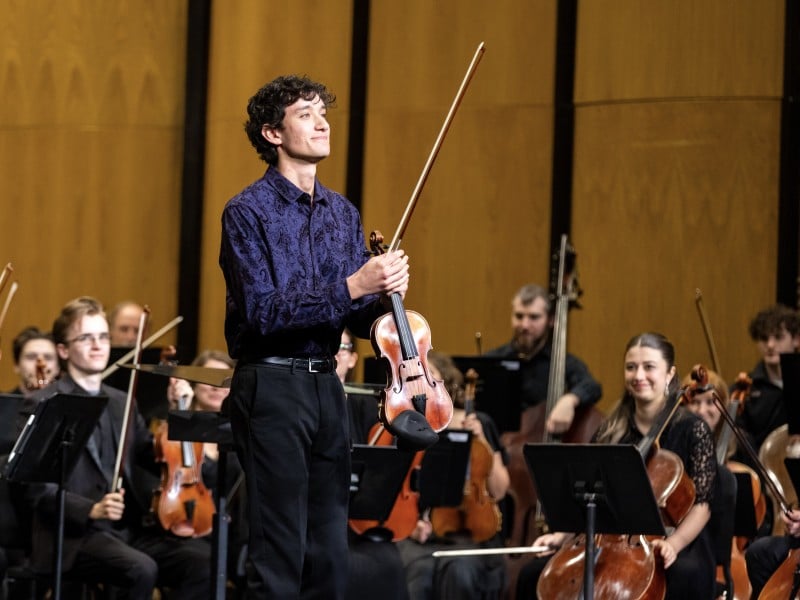
From Calgary to the McDuffie Center
Benjamin Linton, a sophomore violinist with the McDuffie Center for Strings recently won Mercer University’s concerto competition.