
Irrigation tips for Middle Georgia’s dry conditions
A few soaking rains won’t fully reverse the dry soil conditions that have developed over months. With summer just around the corner, it’s a good time to revisit best practices for using water wisely.
A new chapter for The Melody
Our team and coverage are moving to The Telegraph. Make sure you look for The Melody's community-first journalism as a section highlighting the people, places and moments that are the rhythm of Macon.
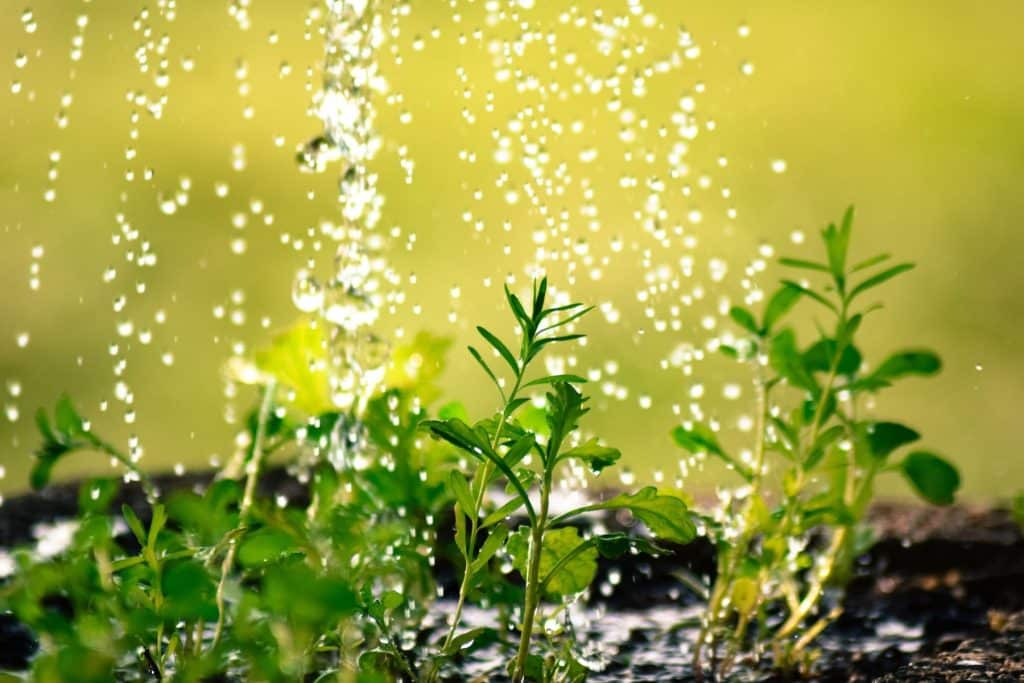
Georgia is currently experiencing serious drought conditions. According to the U.S. Drought Monitor, all parts of Bibb County are either in the “severe” or “extreme” drought zone. Conditions south of us, in key agricultural areas, are even more severe.
The good news is that rain is on the horizon for Middle Georgia. It will be a welcome relief for our thirsty lawns as they green up from winter dormancy, as well as for newly planted vegetable gardens and flower beds!
The challenge is that a few soaking rains won’t fully reverse the dry soil conditions that have developed over months.
As we move toward summer, it’s a good time to revisit best practices for using water wisely — both for environmental stewardship and for our wallets.
Water only when needed
We often do more harm by overwatering than underwatering.
Most established turfgrasses in Georgia require about 1 inch of water per week during the active growing season. Turfgrass signals moisture stress by turning dull and grayish-green, and footprints remain visible after walking on it. Let your lawn tell you when it’s time to water.
Water deeply and infrequently
While new plantings may need light, frequent watering at first, this should be reduced as roots establish. Deep, infrequent watering encourages stronger root systems, making plants more resilient and better able to use soil nutrients.
To determine how long to run sprinklers, place shallow, straight-sided containers — such as cat food cans or cake pans — around your yard and turn on the sprinkler. Measure how long it takes to collect 1 inch of water. With uniform coverage, that’s your ideal run time for the sprinkler or irrigation system. Water should penetrate 6-8 inches into the soil. To check, insert a spade or probe into the ground for about three hours after irrigating.
Soil type also matters. Two shorter watering sessions may be more effective for sandy soils that dry out more quickly. Clay soils absorb water slowly, so consider multiple shorter cycles to prevent runoff.
Water at the right time
Timing affects efficiency. Water between 9 p.m. and 9 a.m., when temperatures are lower and winds are calmer, reducing evaporation. Watering overnight can also help minimize disease by shortening the time foliage stays wet.
Use mulch to conserve moisture
Mulch reduces evaporation and helps retain soil moisture. Fine-textured organic mulches — like pine straw, pine bark or shredded hardwood — allow water to penetrate while holding moisture. Maintain about 3 inches of mulch and keep it a few inches away from plant stems and tree trunks.
Use drip irrigation or soaker hoses
These methods deliver water directly to plant roots, reducing waste and minimizing disease risk by keeping foliage dry. They can also be easily hidden under mulch for a clean appearance.
Even in dry times, a little strategy goes a long way. By watering wisely and making a few simple adjustments, you can keep your landscape healthy while conserving one of our most valuable resources.
As we wait for more consistent rainfall, these practices will help ensure your lawn and garden not only survive but continue to thrive.
Kathy Hensley works for the University of Georgia Cooperative Extension Service in Bibb County. The county office provides resources for gardeners as well as educational services and community support. Visit their office at 715 Oglethorpe Street, call them at 748-310-5350 or email their staff at [email protected].
Related Articles

New podcast to offer locals a taste of Macon
The Melody’s food columnist Billy Hennessey will be launching a brand-new podcast in partnership with Visit Macon and 100.9 The Creek.

Five things we must never forget
In the midst of our forgetfulness, what should we strive to remember?

Newt Collier reflects on 81st birthday, the late Alan Walden, why Macon needs a music district and more
Today, Newton Collier is an ambassador for Macon, an active community volunteer, a beloved grandfather figure in music and an electronic trumpet player.