
Why beets deserve a place on your plate
Beets have lots of health benefits. Learn about why they’re good for you and how to prepare them.
A new chapter for The Melody
Our team and coverage are moving to The Telegraph. Make sure you look for The Melody's community-first journalism as a section highlighting the people, places and moments that are the rhythm of Macon.
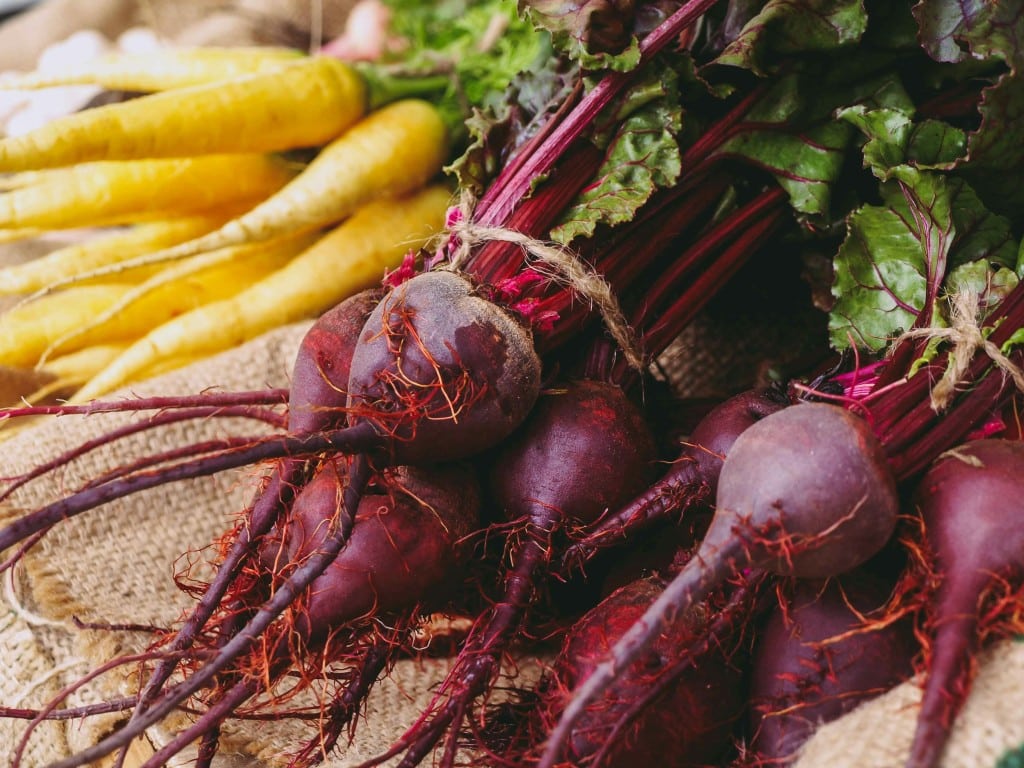
Beets are an under-appreciated and underutilized vegetable rich in essential vitamins, minerals, fiber, antioxidants and other nutrients. Did you know that beets offer benefits that include boosting your heart health, your athletic performance and your blood flow? In addition, they are low in calories and carbohydrates and are known to reduce inflammation.
Big benefits of beets
— Support blood sugar: Beets have a moderate glycemic index but a low glycemic load because a typical serving contains few carbohydrates. This means they usually cause only a slow, mild rise in blood sugar rather than sharp spikes, and could support insulin sensitivity.
— Support blood pressure: Beets are packed with natural nitrates. Your body converts these into nitric oxide, which relaxes and widens blood vessels, promoting healthy blood flow and reducing blood pressure.
— Support brain health: Improved blood flow from the nitrates can reach the frontal lobe of the brain, potentially supporting cognitive function and memory as you age.
— Reduce inflammation: Beets get their deep, rich color from pigments called betalains. These act as powerful antioxidants, protecting cells from oxidative stress and combating chronic inflammation.
— Improve digestion: One cup of beets contains about 3.4 grams of fiber, which helps regulate bowel movements and feeds healthy gut bacteria.
— Improve athletic endurance: The nitric oxide produced by beet nitrates helps muscles use oxygen more efficiently. Drinking beet juice or eating beets before a workout can increase your stamina and extend exercise duration.
How to prepare beets
Eating them raw or lightly cooked preserves the highest amount of heat-sensitive nutrients, but roasting is also easy and most popular.
— Roasted: Wash, trim and peel beets. Cut them into quarters and toss in olive oil, minced garlic, salt and pepper. Spread on a sheet pan and roast at 400°F for about 30-45 minutes.
— Steamed: Place scrubbed and trimmed beets in a steamer for 30 minutes (or until easily punctured with a butter knife). Once cool, the skin will slip right off.
— Raw and shredded: Peel raw beets and grate them with a cheese grater or in a food processor. Toss them into fresh salads, slaws or wraps for a crisp, earthy crunch.
— Smoothie: Blend raw beets with apples, carrots and ginger.
— Don’t waste the greens: Beet greens are entirely edible and highly nutritious! Sauté them in olive oil and garlic, just as you would spinach or kale. They can also be used raw as salad greens.
Don’t let beets get the best of you
Don’t be alarmed if you notice a change in the color of your urine or stool after eating beets. It is called “beeturia” and is the body’s response to the filtration of the betalain pigment by the kidneys. Also, there may be some differences in the” beet-eating” experience. In fact, some people think beets smell and taste like dirt because beets contain geosmin, a natural substance that produces either a mild “sweet note”, or for some, an overwhelming “earthy note” likely due to a genetic variation. Golden beets are an alternative, or for those who may be sensitive to the taste, consider how you could “beet it” by trying some of the following techniques:
— Add acid: Splash cooked beets with lemon juice, lime juice, balsamic or apple cider vinaigrette. Also, consider trying pickled beets (be mindful of the sodium content)
— Peel them: The skin contains up to six times more geosmin than the inner flesh. Shaving the skin off entirely before or after cooking helps to temper that strong taste.
— High heat: Roasting in the oven brings out the beets’ natural sweetness, which helps overpower their earthy flavor.
— Smoothies: Incorporating ginger, citrus, frozen berries or frozen bananas can “soften” the taste.
We hope that you will use this article series as a springboard to beet it up! May you be motivated to care deeply about your health, and inspired to share widely with family and friends. After all, we think Hippocrates got it right, “Let food be thy medicine and let medicine be thy food.”
Keisha R. Callins is an OB-GYN, Chief Wellness Officer with Community Health Care Systems, Inc. and professor at the Mercer University School of Medicine. Nada Mays is a registered dietitian and chef.
Related Articles

New podcast to offer locals a taste of Macon
The Melody’s food columnist Billy Hennessey will be launching a brand-new podcast in partnership with Visit Macon and 100.9 The Creek.

Five things we must never forget
In the midst of our forgetfulness, what should we strive to remember?

Newt Collier reflects on 81st birthday, the late Alan Walden, why Macon needs a music district and more
Today, Newton Collier is an ambassador for Macon, an active community volunteer, a beloved grandfather figure in music and an electronic trumpet player.