
Growing red, white and blue on the farm
Many of our favorite holiday cookout staples feature ingredients that can be grown right in our own backyards. Whether it’s the crisp lettuce and juicy tomatoes topping our hamburgers, or the fresh fruits and herbs served on the side — a truly patriotic plate starts in the garden.
A new chapter for The Melody
Our team and coverage are moving to The Telegraph. Make sure you look for The Melody's community-first journalism as a section highlighting the people, places and moments that are the rhythm of Macon.
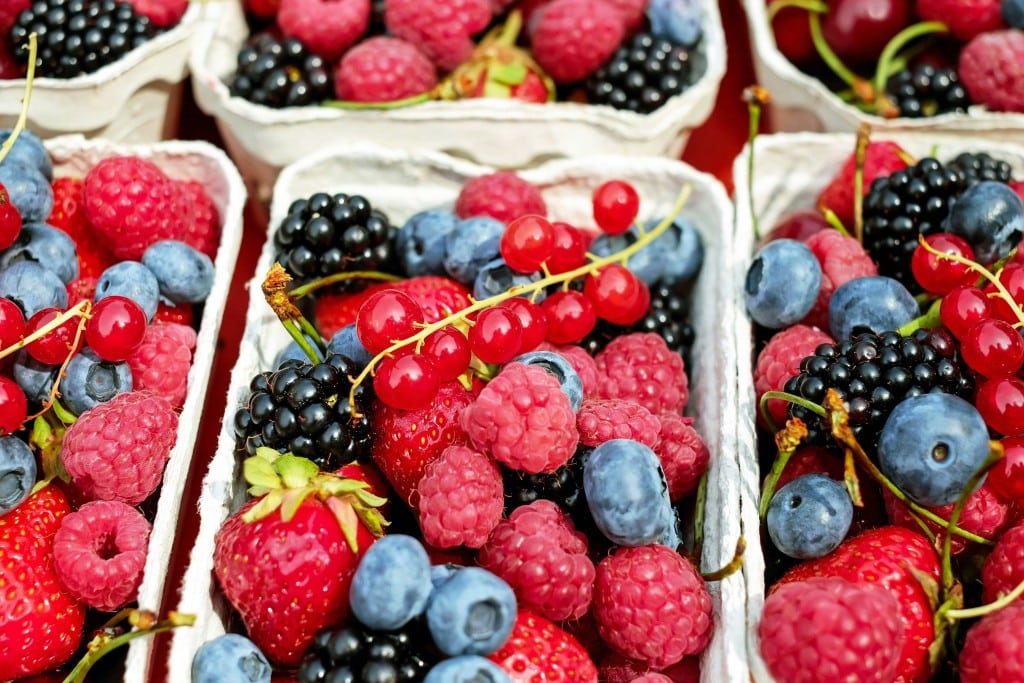
As the Fourth of July approaches, we reflect on and appreciate the freedom in the United States that was earned 250 years ago. What better way to honor this milestone than by cultivating our own land?
Many of our favorite holiday cookout staples feature ingredients that can be grown right in our own backyards. Whether it’s the crisp lettuce and juicy tomatoes topping our hamburgers, or the fresh fruits and herbs served on the side — a truly patriotic plate starts in the garden.
Radiant red: cultivating the classic tomato
A thick, juicy slice of tomato is the crown jewel of any hamburger. The process of growing a tomato plant from seed to harvest takes about 12-16 weeks. Tomatoes thrive in full sunlight, requiring at least six to eight hours of direct sunlight each day, and they perform best in well-drained soil. As the plants grow, it is highly encouraged to provide cages or stakes to support the heavy vines. It’s also vital to regularly inspect your plants for insects and signs of disease, removing any damaged leaves as needed. With consistent watering and fertilization, tomato plants will reward gardeners with a bountiful harvest of fruit throughout the entire summer.
Vibrant green: the crisp crunch of fresh lettuce
Lettuce is another popular garden vegetable that adds the perfect crunch to savory hamburgers and summer salads. To achieve sufficient lettuce yields, these plants require well-drained soil and at least four to six hours of sunlight each day, though they benefit from protection against harsh rays during the peak afternoon hours. You can harvest the outer leaves as they mature or cut entire heads when they reach full size. Because regular harvesting encourages new growth, many varieties will continue producing fresh, green leaves throughout the season.
Bold blues & ruby reds: the sweet side of summer fruits
No cookout is complete without a refreshing side of fruit! Blueberries, strawberries and watermelons are beloved holiday treats that give us a deeper appreciation for our farmers, as they require a bit more careful attention to grow successfully.
— Blueberries: These bushes grow best in full sun and acidic soil with a pH between 4.5-5.5. Keep the soil evenly moist and apply a mulch made from pine needles to help maintain soil acidity. Blueberries produce more fruit when cross-pollinated, which is why it is important to plant different varieties near one another. During the dormant season, prune older branches to encourage new growth and an abundant berry yield.
— Strawberries: It is not recommended to grow strawberries from seed; instead, plant them as bare-root crowns. Space them about 12-18 inches apart. Routine watering is crucial, especially during fruit development, but the soil should never remain soggy. Just like with blueberries, mulch is important to reduce weeds and avoid competition for nutrients. Use balanced fertilization to maintain fruit yield — excessive fertilizer will cause the plant to overproduce leaves rather than fruit.
— Watermelons: These massive melons need plenty of space to spread out and truly succeed in warm weather. Wait to plant seeds or transplants until after the final frost of the season, when the soil has warmed to at least 70 degrees Fahrenheit. Choose a sunny location with fertile, well-drained soil for maximum fruit production. As the melons begin to ripen, reduce watering slightly to increase their natural sweetness. Most watermelons are ready for harvest when the curly tendril on the vine nearest to the fruit turns brown, and the underside touching the ground develops a creamy yellow spot.
Emerald accents: essential herbs for every dish
Herbs are an essential addition to both your meal and your garden. They are incredibly easy to care for, provided you maintain routine trimmings. Plants such as rosemary, basil, oregano, thyme, parsley, dill and cilantro thrive in sunny locations with well-drained soil. They can be grown directly in garden beds, in raised beds or in containers (just ensure the containers have drainage holes to avoid root rot). Most herbs prefer at least six hours of sunlight each day, and the soil should remain consistently moist but never soggy.
On July Fourth, as you gather around the table, remember all the dedication and love that went into the popular dishes on your plate. Celebrate not only the nation’s independence but also the deep satisfaction that comes from growing and serving fresh, homegrown food. This Independence Day, a truly patriotic plate starts in the garden!
Shaelin Calder-Denny is an active 4-H’er serving on the state board of directors. She is a 4-time master 4-H’er, recently being awarded the Family and Consumer Sciences Dean’s Award. This past spring she represented Bibb County at the USDA’s National Conference in Washington D.C and presented to the USDA NIFA during their annual meeting. She currently serves as an AG+Tech ambassador advocating for agriculture and environmental education in the classroom.
Related Articles

New podcast to offer locals a taste of Macon
The Melody’s food columnist Billy Hennessey will be launching a brand-new podcast in partnership with Visit Macon and 100.9 The Creek.

Five things we must never forget
In the midst of our forgetfulness, what should we strive to remember?

Newt Collier reflects on 81st birthday, the late Alan Walden, why Macon needs a music district and more
Today, Newton Collier is an ambassador for Macon, an active community volunteer, a beloved grandfather figure in music and an electronic trumpet player.